Custom Woodwork and Millwork Services: Elevating Spaces with Crafted Detail
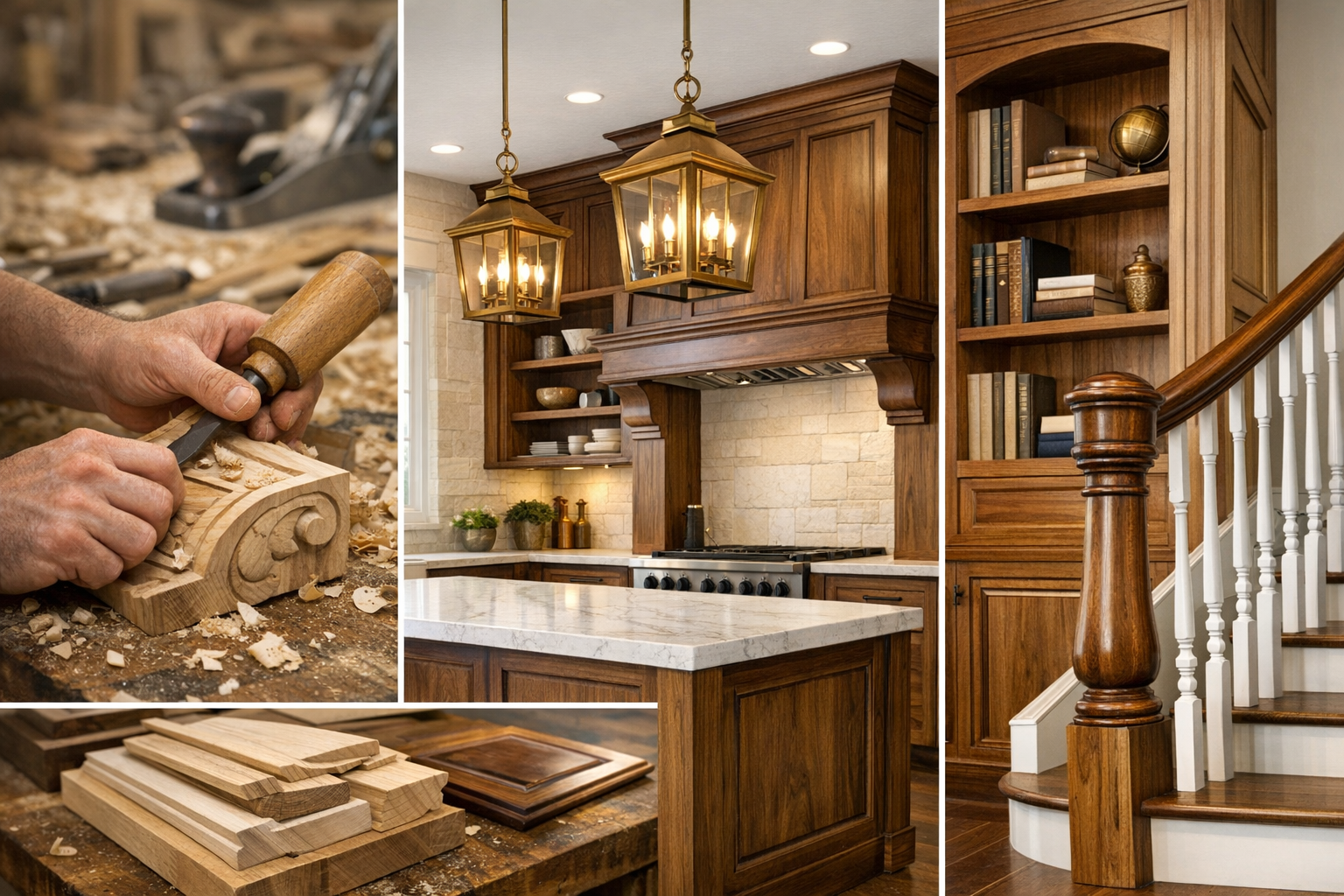
Custom woodwork and millwork services can completely change how a space looks, feels, and functions. From built-in cabinetry and elegant trim to specialty shelving and detailed architectural features, these services bring a level of craftsmanship that ready-made products often cannot match. Whether you are updating a home, finishing a commercial interior, or designing a new build from the ground up, custom millwork adds character, precision, and long-term value.
What Are Custom Woodwork and Millwork Services?
Custom woodwork refers to handcrafted or specially designed wood features made to fit a specific space or vision. Millwork is a broader term for wood products created in a mill, such as baseboards, moldings, paneling, doors, stairs, and cabinetry components. When these services are custom, every detail is tailored to the project’s dimensions, style, and performance needs.
Unlike mass-produced materials, custom millwork is built around your goals. That means the finish, wood species, profile, and installation details can all be adjusted to suit the design. This flexibility makes custom woodwork ideal for homeowners, builders, architects, designers, and business owners who want a polished, cohesive result.
Why Custom Woodwork Adds Value
Custom woodwork does more than improve appearance. It also adds functionality, durability, and distinction. Because the pieces are designed for a specific location, they often fit better and perform better than off-the-shelf alternatives. This is especially important in spaces with unusual dimensions, historic details, or high-end design goals.
Another major benefit is customization. You can choose materials that match the style of the space, whether that means warm oak for a classic interior, clean painted trim for a modern look, or rich walnut for a luxury finish. The result is a finished product that feels intentional and elevated.
Custom work can also increase property value. Buyers and clients often notice built-in storage, detailed trim, and refined finishes because these features signal quality and craftsmanship. In both residential and commercial settings, these details can help a space stand out.
Common Types of Custom Millwork
Custom millwork services cover a wide range of features. Some of the most common include:
Built-In Cabinetry
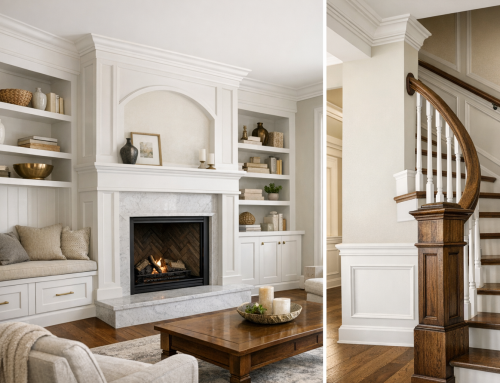
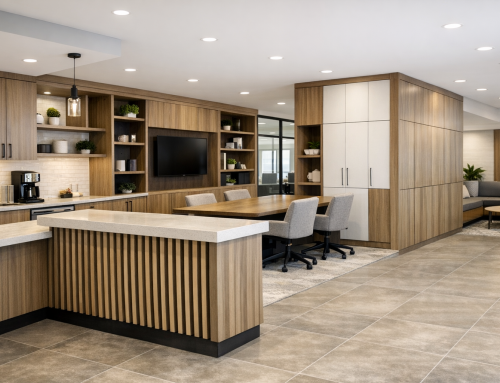
Built-ins are one of the most popular forms of custom woodwork. They provide storage while blending seamlessly into the room. Examples include entertainment centers, bookcases, mudroom storage, pantry systems, and office cabinetry. Because each piece is made to fit, built-ins maximize space and create a clean, finished look.
Trim, Molding, and Paneling
Baseboards, crown molding, wainscoting, wall paneling, and window casings all fall under millwork. These details frame a room and give it depth and structure. Custom profiles can be created to match historical architecture, reinforce brand identity, or establish a specific design style.
Doors and Stair Components
Custom doors, stair treads, railings, and balusters can make a dramatic impact. These features often serve as focal points, especially in entryways, hallways, and open-concept spaces. A custom approach ensures that proportions, materials, and finishes work together beautifully.
Specialty Features
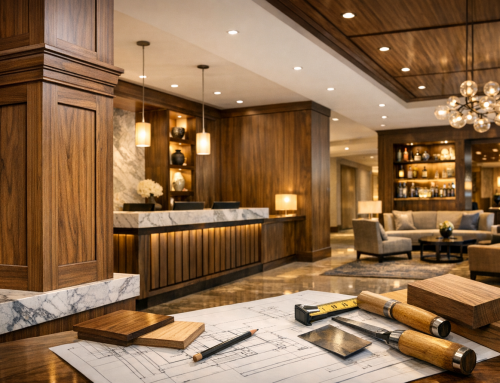
Many projects also include one-of-a-kind elements such as fireplace surrounds, reception desks, display cases, bar fronts, and decorative wall features. These custom pieces help define a space and give it a unique identity.
The Custom Woodwork Process
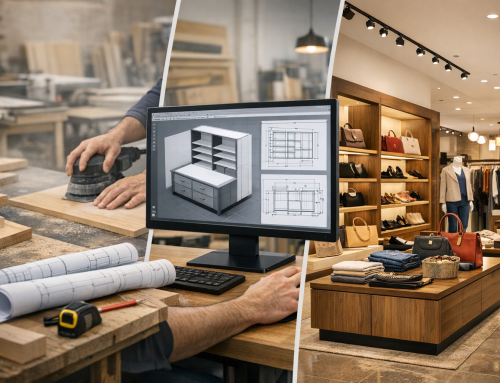
High-quality custom woodwork and millwork services usually follow a clear process. It starts with consultation and design. During this stage, the woodworker learns about the space, the client’s vision, and the practical requirements of the project. Measurements, sketches, and material options are reviewed to establish a plan.
Next comes fabrication. Skilled craftsmen cut, shape, assemble, and finish the pieces with careful attention to detail. Depending on the project, this stage may involve stain matching, paint preparation, joinery work, or specialty surface treatments. Precision matters at every step because even small errors can affect fit and finish.
Finally, installation brings the design to life. Proper installation is just as important as fabrication, since custom pieces must align perfectly with walls, floors, ceilings, and other architectural elements. A professional installation helps ensure the final result looks seamless and lasts for years.
Materials and Finishes to Consider
The materials you choose can influence both the appearance and performance of your project. Solid wood offers natural beauty and durability, while engineered wood products may provide stability and cost efficiency in certain applications. Common wood species include oak, maple, cherry, walnut, and pine, each with its own grain pattern and character.
Finishes also play a major role. Stains highlight the natural grain and add warmth, while painted finishes create a crisp, uniform appearance. Clear coatings, sealants, and specialty finishes can protect the wood from wear, moisture, and fading. When selected thoughtfully, these elements help the woodwork complement the rest of the interior design.
How to Choose the Right Millwork Partner
Choosing the right contractor or shop is essential. Look for a team with experience in both design and craftsmanship, along with a portfolio that reflects the style and quality you want. It is also important to ask about materials, timelines, installation methods, and finishing capabilities.
Communication is another key factor. A reliable millwork partner should be able to translate ideas into practical solutions, offer guidance on materials and construction, and keep the project on track from start to finish. For larger or more complex projects, coordination with architects, designers, and builders can make a significant difference in the outcome.
Conclusion
Custom woodwork and millwork services bring craftsmanship, personality, and long-term value to any space. With the right design, materials, and installation, these features can transform ordinary rooms into polished, functional environments that feel truly one of a kind. If you want details that are built to fit and made to last, custom woodwork is an investment worth considering.