High-End Millwork Design and Installation: What It Takes to Get It Right
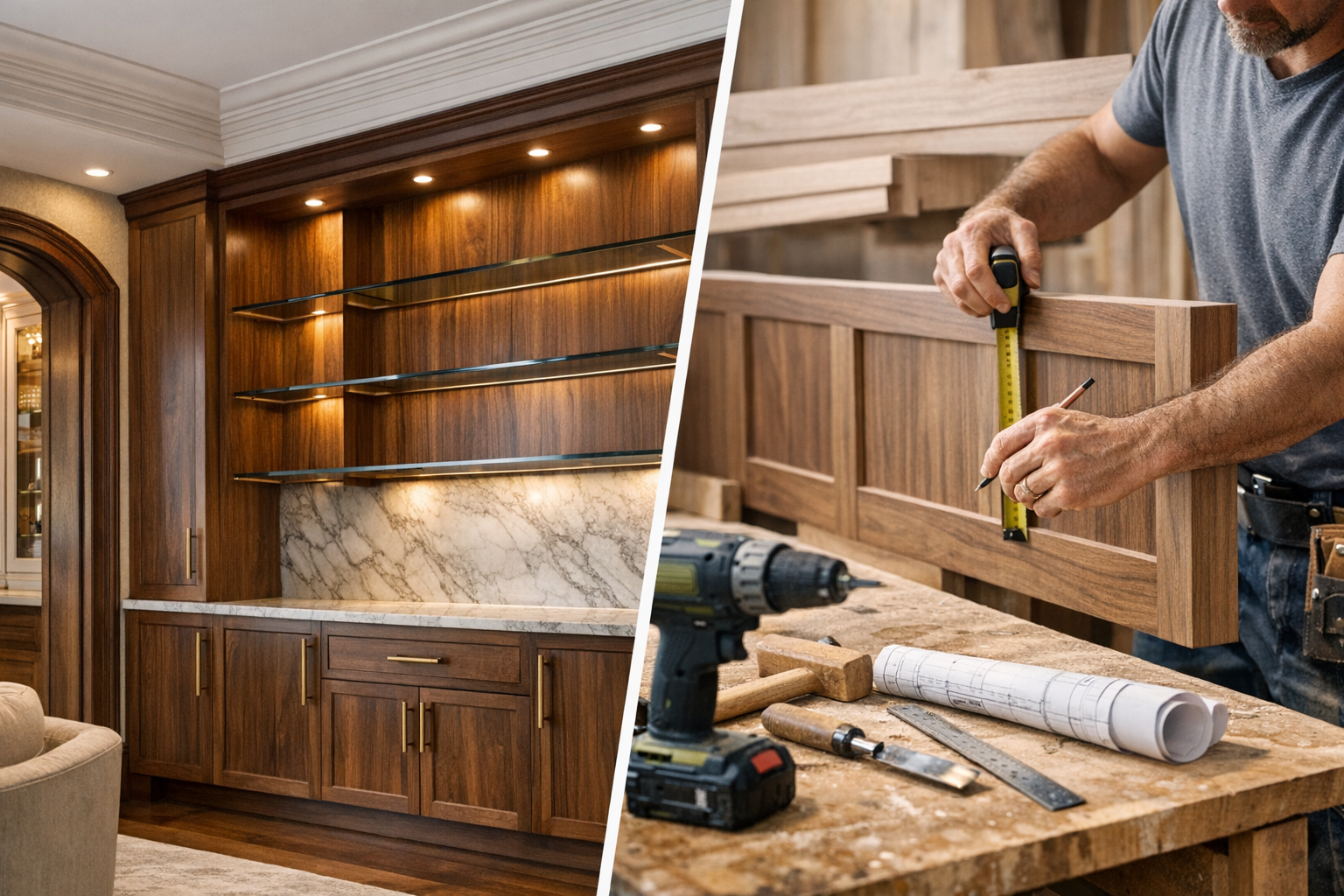
High-end millwork can transform a space from ordinary to exceptional. Whether it’s a custom reception desk, elegant wall paneling, built-in cabinetry, or a fully tailored hospitality interior, millwork brings craftsmanship, function, and visual continuity together in one polished result. When designed and installed well, it feels seamless. When it’s rushed or poorly coordinated, even the most beautiful materials can fall short.
This guide walks through the key elements of high-end millwork design and installation, from planning and material selection to fabrication and final fit. If you’re aiming for a refined, durable, and highly customized finish, these are the details that matter most.
What Makes Millwork “High-End”?
High-end millwork is defined by more than expensive materials. It’s the combination of precision, design intent, craftsmanship, and performance. Every element is tailored to the architecture of the space and the needs of the client.
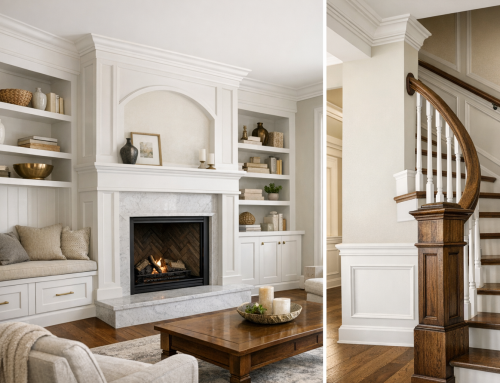
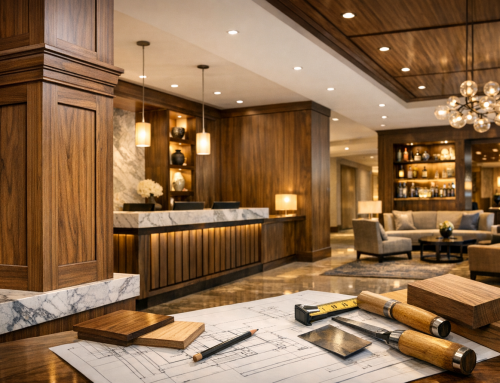
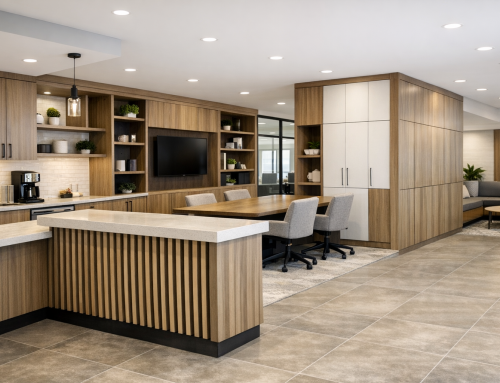
In premium projects, millwork often includes custom casework, wall cladding, decorative trim, integrated storage, feature ceilings, bars, lobby desks, and specialty built-ins. These pieces are designed to look intentional and cohesive, rather than assembled from standard components.
The difference is in the details: clean reveals, consistent grain direction, invisible seams, perfectly aligned hardware, and finishes that stand up to daily use while maintaining a luxurious appearance.
The Design Phase: Where Great Millwork Begins
Strong millwork starts long before fabrication. The design phase sets the tone for everything that follows and helps ensure the final product fits both the space and the project goals.
Understanding the space and its purpose
Every millwork package should respond to how the space will be used. A luxury retail environment, for example, needs display flexibility and durability. A corporate lobby may prioritize brand presence and impact. A high-end residence may focus more on warmth, storage, and architectural continuity.
Designers and millwork specialists must consider traffic flow, user interaction, lighting, acoustics, maintenance, and code requirements early in the process. These functional factors influence dimensions, material choices, and construction methods.
Choosing materials and finishes
Material selection plays a major role in both appearance and performance. Veneers, solid wood, lacquer, metal inlays, stone accents, and specialty laminates can all be part of a high-end package. The best options depend on the project’s aesthetic, budget, and durability needs.
For example, natural wood veneer can provide richness and character, while lacquered finishes offer a sleek, contemporary look. Textured or matte surfaces may be ideal for modern interiors, while polished stone or metal details can add a sense of prestige.
Finishes should be selected not only for style, but also for longevity. In busy commercial settings, scratch resistance, moisture tolerance, and ease of cleaning are critical.
Detailing for both beauty and function
Millwork design is only as good as its details. Built-in lighting, concealed storage, integrated charging stations, and hidden access panels all contribute to a more usable and polished result.
Successful high-end millwork also requires coordination with adjacent trades. HVAC diffusers, electrical outlets, sprinklers, and door hardware must be accounted for in the drawings. When these elements are resolved early, the finished installation looks intentional and refined.
Precision Fabrication: Turning Design Into Reality
Once the design is approved, fabrication begins. This stage demands technical expertise, the right equipment, and careful quality control. Even the best design can be compromised by inaccurate shop drawings or inconsistent production methods.
During fabrication, shop drawings are refined into buildable details. Measurements must be exact, tolerances tightly controlled, and materials inspected for quality and consistency. In high-end work, even small deviations can be visible, especially on large feature walls or repeated panel systems.
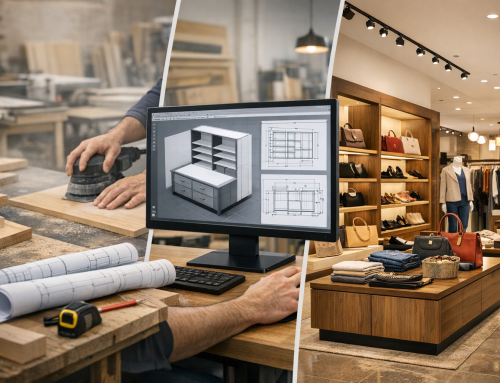
Advanced fabrication tools, CNC machinery, and skilled craftsmen often work together to produce the final components. Machines provide consistency and accuracy, while experienced millworkers handle the nuanced assembly, finishing, and fitting that elevate the final product.
Mockups and samples
For premium projects, mockups and material samples are essential. They allow stakeholders to review grain matching, finish sheen, color accuracy, edge profiles, and construction quality before full production begins.
A well-executed mockup can prevent costly revisions later and help align expectations among designers, contractors, and clients. It also serves as a benchmark for workmanship throughout the rest of the project.
The Installation Process: Where Craftsmanship Shows
Installation is where all the planning comes together. Even perfectly fabricated millwork can be undermined by poor site coordination or rushed assembly. High-end installation requires patience, skill, and close attention to the site conditions.
Before installation begins, the site should be properly prepared. Walls, floors, ceilings, and utility rough-ins need to be complete and verified. Any irregularities in the building structure must be identified so installers can adjust for level, plumb, and square.
Installation teams typically begin with the largest and most complex pieces, then work outward to the finish details. Care is taken to protect surfaces, maintain alignment, and ensure all components fit tightly and cleanly. Seam locations, grain flow, and joint transitions should remain consistent with the approved design.
Coordination with other trades
Millwork installation does not happen in isolation. It must be coordinated with painters, electricians, plumbers, flooring crews, and general contractors. Timing is especially important in occupied spaces or fast-moving construction schedules.
A skilled installation team knows how to adapt to site conditions without compromising the final appearance. That might mean scribing pieces to uneven surfaces, modifying field measurements, or adjusting hardware for a perfect fit.
Final finishing and punch list
The last phase of installation includes touch-ups, hardware adjustments, cleaning, and closeout inspections. This is when high-end millwork proves its value. Doors should open smoothly, drawers should align precisely, and surfaces should appear flawless under close inspection.
Any punch list items should be addressed promptly. A professional millwork partner will stand behind the work and ensure the final result matches the design intent and quality standards established at the start.
Common Mistakes to Avoid
Even sophisticated projects can run into problems if millwork is treated as an afterthought. One common mistake is waiting too long to involve the millwork team, which can lead to conflicts with structural or mechanical systems. Another is selecting materials based only on appearance, without considering maintenance or performance.
Poor communication between designers, contractors, and fabricators can also create delays and inconsistencies. The best results come from clear documentation, early collaboration, and consistent review throughout the project.
Why High-End Millwork Is Worth the Investment
High-end millwork adds value in both practical and aesthetic ways. It enhances the character of a space, improves functionality, and communicates a level of quality that people notice immediately. In commercial environments, that can strengthen brand perception. In residential settings, it creates a sense of craftsmanship and permanence.
Just as important, custom millwork is built to fit the space precisely. That means fewer compromises, better use of square footage, and a finished look that feels integrated rather than forced.
Conclusion
High-end millwork design and installation are about more than beautiful woodwork. They require thoughtful planning, technical precision, and expert coordination from concept to completion. When each phase is handled with care, the result is a space that feels cohesive, refined, and built to last.
For projects where details matter, investing in quality millwork is one of the most effective ways to elevate the entire environment.