Bespoke Millwork Craftsmanship: Where Precision Meets Character
What Is Bespoke Millwork?
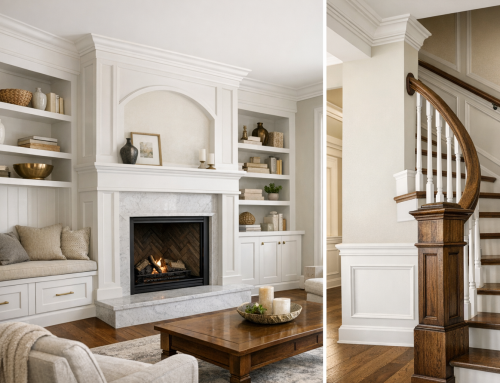
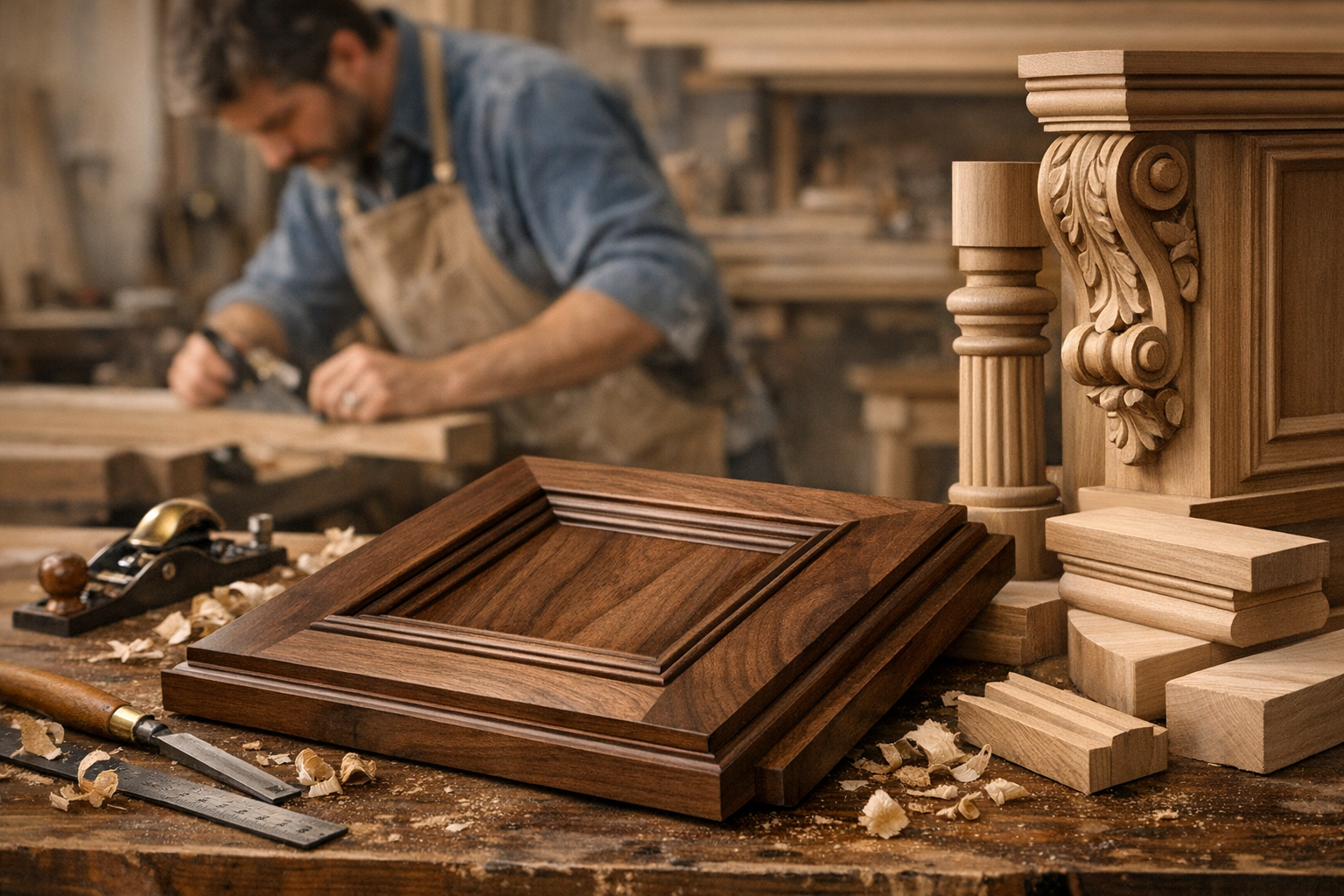
Bespoke millwork refers to custom woodwork designed and built to fit a specific space, function, and aesthetic. Unlike stock cabinetry or mass-produced trim, bespoke millwork is made to order, with every detail tailored to the project. This can include built-ins, wall paneling, shelving, mantels, stair components, reception desks, and custom cabinetry for homes or commercial interiors.
At its core, bespoke millwork is about translating a vision into a physical, lasting form. It blends craftsmanship, design sensitivity, and technical precision to create pieces that feel intentional and integrated rather than added as an afterthought. The result is woodwork that enhances architecture, improves usability, and adds a distinct sense of identity to a space.
The Craftsmanship Behind the Work
Exceptional millwork begins long before a board is cut. It starts with careful planning, material selection, and a deep understanding of how wood behaves. Skilled millworkers consider grain direction, moisture content, joinery, finish compatibility, and the demands of the environment where the piece will live. These decisions affect not only appearance, but also durability and performance over time.
Craftsmanship is visible in the details: crisp reveals, seamless joints, consistent profiles, and surfaces that feel balanced and refined. Whether the style is traditional, transitional, or contemporary, the best bespoke millwork looks effortless because so much thought has gone into every element. That level of quality comes from experience, patience, and a commitment to doing the work properly.
From Design to Fabrication
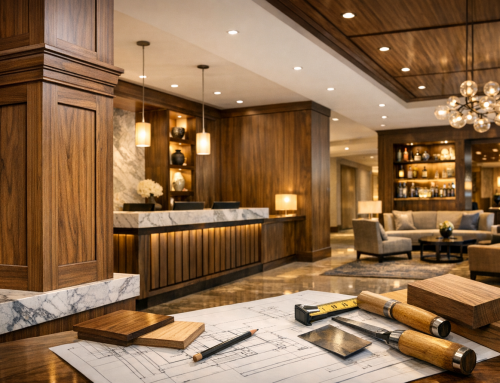
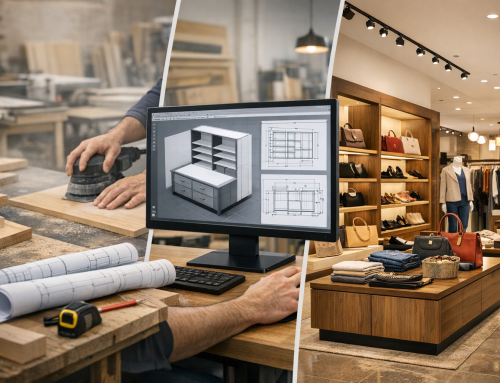
The process typically begins with a consultation and design phase. During this stage, the millworker collaborates with architects, designers, builders, or property owners to understand goals, dimensions, and functional needs. Drawings, shop plans, and samples help clarify the final look and ensure the piece will fit the space precisely.
Fabrication follows in the workshop, where raw materials are transformed into finished components. Precision cutting, routing, sanding, assembly, and finishing all require close attention. Many custom projects also involve coordinating with other trades so the millwork integrates smoothly with flooring, walls, lighting, and hardware. Successful execution depends on both craftsmanship and communication.
Why Bespoke Millwork Stands Out
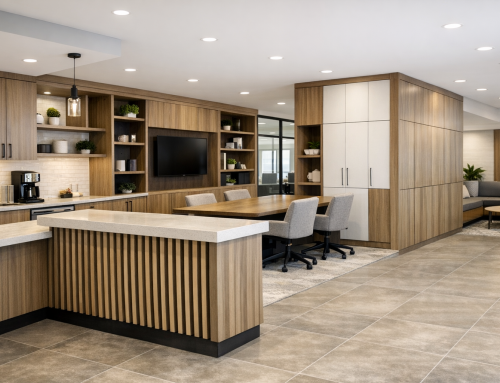
Bespoke millwork stands out because it solves design challenges while elevating the overall environment. In a residential setting, it can maximize storage in awkward spaces, create a focal point in a living room, or bring warmth to a kitchen or library. In commercial settings, it can reinforce branding, improve flow, and make a strong first impression on clients and visitors.
Unlike prefabricated solutions, custom millwork is designed for the exact proportions of a room. That means cleaner lines, better fit, and more cohesive results. It can also be tailored to support specific functions, such as hidden storage, integrated lighting, display areas, or accessibility requirements. The flexibility of custom design allows creativity without sacrificing practicality.
Materials, Finishes, and Detail
Material selection plays a major role in the final result. Hardwood species such as oak, walnut, maple, and cherry each offer different grain patterns, tones, and working characteristics. Veneers, painted MDF, specialty laminates, and mixed-material combinations may also be used depending on the design intent and performance needs.
Finishes matter just as much as the substrate. A natural oil finish can highlight grain and texture, while a painted finish can create a clean, architectural look. Stains, sealers, and protective topcoats must be chosen carefully to preserve beauty while resisting wear. Hardware, edge details, and panel profiles also contribute to the overall impression, proving that true craftsmanship is as much about subtlety as it is about skill.
The Value of Choosing Custom Over Mass-Produced
Mass-produced millwork often prioritizes speed and uniformity. Bespoke millwork, by contrast, prioritizes fit, quality, and individuality. While custom work may require more time and investment upfront, it often delivers better long-term value because it is built to last and designed to serve a specific purpose.
Custom woodwork can also increase the perceived quality of a home or commercial space. It creates a sense of permanence and refinement that is difficult to replicate with off-the-shelf products. For many clients, that added value is not only visual; it is also practical. A thoughtfully designed built-in or cabinet system can improve daily routines, reduce clutter, and make a space feel more organized and harmonious.
How to Recognize Quality Millwork
Quality millwork is easy to admire when the details are right. Look for clean lines, even spacing, smooth finishes, and consistent alignment across doors, drawers, and panels. Open and close moving parts to assess how well they operate. Good millwork should feel solid, stable, and carefully assembled.
It also helps to review the maker’s portfolio and ask about their process. A skilled millworker should be able to explain material choices, finishing methods, installation considerations, and how they handle revisions or unique site conditions. Transparency is often a good sign of professionalism and pride in the work.
Conclusion
Bespoke millwork craftsmanship brings together design, function, and enduring quality in a way that few other trades can match. When executed well, it transforms ordinary spaces into memorable ones while adding lasting value. For anyone seeking character, precision, and a truly tailored result, custom millwork is a worthwhile investment.