Creating a Seamless Design and Construction Process
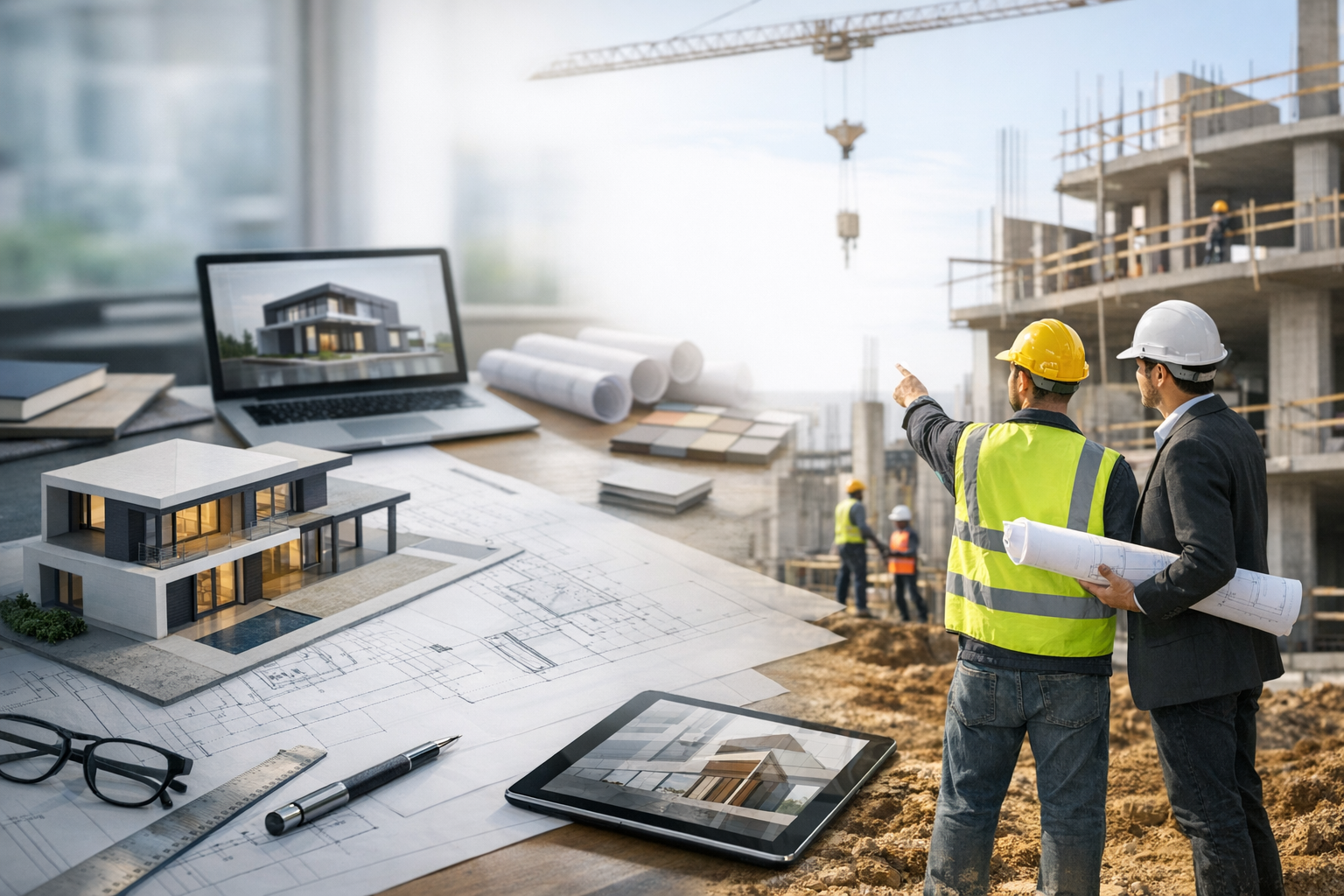
A seamless design and construction process can be the difference between a stressful project and a successful one. When designers, builders, and clients work from the same plan, projects move faster, errors are reduced, and the final result is more closely aligned with the original vision. Whether you are planning a custom home, a renovation, or a commercial build, the goal is the same: make the journey from concept to completion as smooth and coordinated as possible.
What Is a Seamless Design and Construction Process?
A seamless design and construction process is an integrated approach where planning, design, and building are closely connected from the start. Instead of treating design and construction as separate phases, the team collaborates throughout the project to ensure better communication, more accurate budgets, and fewer surprises.
This method helps align aesthetics, functionality, schedule, and cost. It also reduces the risk of miscommunication between architects, designers, contractors, and clients. In practice, seamless delivery means every decision supports the overall project vision and can be executed efficiently on-site.
Why a Seamless Process Matters
Projects often run into trouble when design intent and construction realities are not coordinated early enough. A beautiful plan on paper can become costly if it is difficult to build, exceeds the budget, or lacks material availability. A seamless process helps prevent these issues by creating a more collaborative environment.
Clients benefit from greater clarity and confidence. Builders gain a better understanding of design intent, while designers can make informed choices that support construction feasibility. The result is typically fewer change orders, less rework, and a stronger final outcome.
Key Elements of a Seamless Design and Construction Process
Early Collaboration
The process works best when all key stakeholders are involved early. Architects, interior designers, engineers, contractors, and clients should share goals, constraints, and expectations before major decisions are made. Early collaboration allows the team to identify risks, refine ideas, and establish a realistic path forward.
Clear Communication
Regular communication is essential. Project meetings, progress updates, and shared documentation help keep everyone informed and accountable. Clear communication reduces confusion about scope, timeline, and responsibilities, which is especially important as the project grows more complex.
Detailed Planning
Strong planning is the backbone of a seamless process. This includes accurate drawings, schedules, budgets, permitting timelines, and material specifications. The more detail that is resolved before construction begins, the easier it is to avoid delays and costly revisions later.
Integrated Budgeting
A seamless process requires design decisions that reflect budget reality. When cost considerations are part of the design conversation from the beginning, the team can prioritize where to invest and where to simplify. This approach helps clients stay in control of spending without sacrificing quality or style.
Flexible Problem-Solving
No project goes exactly as planned, so flexibility matters. A coordinated team can respond quickly to unexpected site conditions, supply chain issues, or design adjustments. Instead of creating conflict, these changes can be managed with minimal disruption when the process is built on trust and cooperation.
How to Improve the Design and Construction Experience
If you want a smoother project, start by choosing professionals who value collaboration. Look for teams that are transparent about budgets, responsive to questions, and experienced in working across disciplines. A strong team should not only deliver excellent design or construction work individually, but also know how to work together effectively.
It also helps to define goals early. Consider your priorities for function, style, timeline, and budget before the project starts. The more clearly you communicate what matters most, the easier it is for the team to make aligned decisions.
Technology can also support a better experience. Shared project platforms, digital drawings, 3D models, and virtual walkthroughs make it easier to visualize the outcome and catch potential issues before construction begins. These tools can improve accuracy and reduce misunderstandings.
Benefits of a Seamless Design and Construction Process
One of the biggest advantages is efficiency. When the team is aligned, work progresses more smoothly and decisions happen faster. That can shorten timelines and reduce unnecessary delays.
Another major benefit is quality. A well-coordinated process supports better craftsmanship because builders understand the design intent and designers understand what is practical to execute. The finished project is often more refined and consistent.
There is also less stress for the client. Instead of managing conflicts between separate teams, clients have a more unified experience with a single vision guiding the project. This makes the journey feel more predictable and manageable.
Common Mistakes to Avoid
One common mistake is separating design and construction too rigidly. When those phases do not overlap enough, problems can surface later in the project. Another mistake is underestimating the importance of documentation. Even small details should be recorded to prevent misunderstandings.
It is also important not to rush the planning stage. Moving too quickly into construction without fully resolving design details can lead to expensive changes. Finally, avoiding open communication can create tension and confusion. A seamless process depends on honest discussion and timely decision-making.
Conclusion
A seamless design and construction process is built on collaboration, clarity, and careful planning. When the right people work together from the beginning, projects become more efficient, less stressful, and more successful overall. By focusing on communication, integrated budgeting, and proactive problem-solving, you can turn a complex build into a well-managed experience that delivers lasting value.