Construction Risk Management Consulting: A Practical Guide to Reducing Project Uncertainty
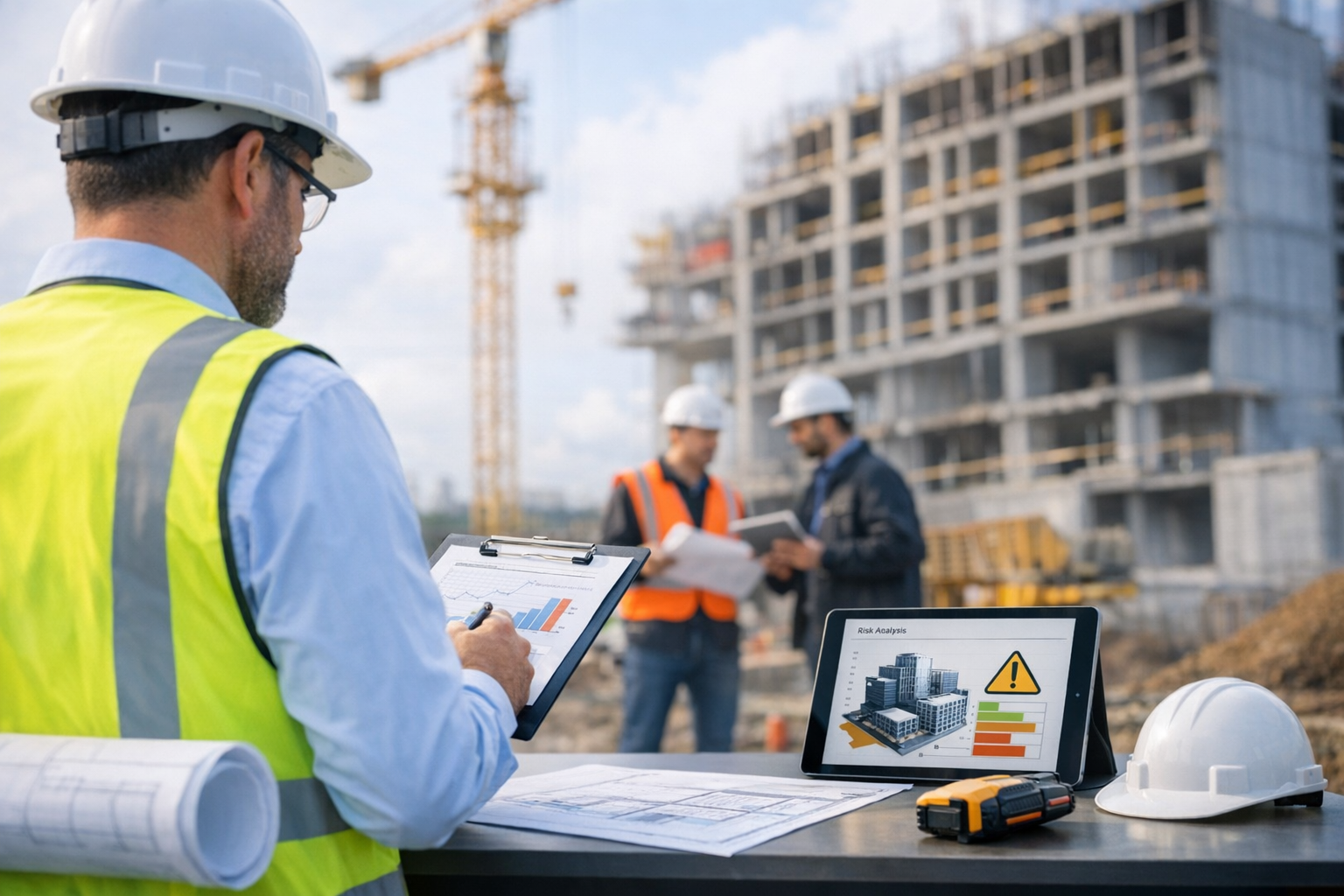
What Is Construction Risk Management Consulting?
Construction risk management consulting helps project owners, developers, contractors, and project teams identify, assess, and reduce the uncertainties that can affect cost, schedule, quality, and safety. In simple terms, it is a structured way to spot what could go wrong on a project and create plans to prevent, control, or respond to those issues before they become expensive problems.
Unlike general project oversight, construction risk management consulting focuses specifically on risk exposure across the full project lifecycle. That includes pre-construction planning, design coordination, procurement, site execution, change management, and closeout. A consultant brings objective analysis, industry experience, and proven methods to help teams make better decisions with less guesswork.
Why Risk Management Matters in Construction Projects
Construction projects are often complex, fast-moving, and dependent on many variables. Weather, labor shortages, design changes, material delays, permitting issues, and subcontractor performance can all affect the outcome. Even a small issue can cascade into major delays or cost overruns if it is not addressed early.
Effective risk management matters because it protects project margins, improves forecasting, supports stronger communication, and helps keep stakeholders aligned. It also reduces the likelihood of disputes and claims, which can consume time and legal resources. When risk is managed well, teams can focus more on execution and less on crisis response.
Key Risks in Construction Projects
Every project is different, but many construction risks fall into a few common categories. Understanding these categories is the first step toward managing them effectively.
Cost Risks
Cost risks include budget overruns, inaccurate estimates, inflation, scope creep, and unexpected site conditions. Material price volatility and labor cost increases can also have a major impact, especially on long-duration projects.
Schedule Risks
Schedule risks involve delays caused by weather, permitting, design revisions, late deliveries, trade coordination issues, and productivity problems. When the schedule slips, costs often rise as well, making schedule risk one of the most important areas to monitor.
Safety Risks
Construction sites carry inherent safety hazards, from falls and equipment accidents to electrical risks and exposure to hazardous materials. Strong safety planning not only protects workers but also helps avoid work stoppages, fines, and reputational damage.
Legal and Contractual Risks
Contract ambiguity, unclear responsibilities, insurance gaps, bonding issues, and compliance failures can all lead to disputes. Risk consultants help teams understand contract terms and identify areas where legal exposure may be higher than expected.
Operational Risks
Operational risks include subcontractor underperformance, poor communication, supply chain disruptions, and coordination failures between design and field teams. These issues often become visible only after they have already affected progress, which is why proactive planning is so valuable.
How Construction Risk Management Consulting Works
Construction risk management consulting typically follows a structured process designed to turn uncertainty into a manageable plan. While every consultant may use slightly different methods, the core approach is usually similar.
Risk Identification
The first step is to identify possible risks across design, procurement, construction, and closeout. Consultants often review project documents, contract language, schedules, estimates, and stakeholder concerns to build a complete picture of potential exposure.
Risk Assessment
Once risks are identified, they are evaluated based on likelihood and impact. This helps the team prioritize the most critical threats instead of trying to solve everything at once. Some consultants use qualitative ranking, while others use quantitative modeling to estimate financial or schedule impact.
Mitigation Planning
After risks are assessed, the consultant helps develop mitigation strategies. These may include schedule buffers, alternate suppliers, clearer contract terms, improved reporting systems, stronger site controls, or contingency budgets. The goal is to reduce the chance of a negative event or lessen its impact if it occurs.
Monitoring and Reporting
Risk management does not stop after planning. Consultants often help establish dashboards, meeting rhythms, and reporting structures so that risks are tracked throughout the project. This ongoing monitoring allows teams to adjust quickly as conditions change.
Benefits of Hiring a Construction Risk Management Consultant
Hiring a consultant can provide both immediate and long-term value. One of the biggest benefits is objectivity. An outside expert can spot blind spots that internal teams may miss because they are too close to the project.
Consultants also bring specialized experience from working on many different project types. That experience helps them identify patterns, recommend practical controls, and respond to issues faster. In addition, their involvement can improve stakeholder confidence, support better documentation, and strengthen decision-making across the project team.
For larger or more complex projects, consulting support can also create measurable financial value by reducing claims, avoiding rework, and improving schedule certainty. In many cases, the cost of consulting is small compared with the potential cost of unmanaged risk.
Choosing the Right Construction Risk Management Consultant
Selecting the right consultant is an important decision. Look for someone with direct construction industry experience, a strong understanding of contracts and project delivery, and a clear process for risk identification and mitigation. Relevant credentials, references, and experience with similar project types are also important.
It is also helpful to choose a consultant who communicates clearly and works well with both leadership and field teams. Risk management succeeds when it is practical and collaborative, not overly technical or disconnected from day-to-day project realities.
Best Practices for Managing Construction Risk
Whether or not you hire a consultant, a few best practices can improve project outcomes. Start risk planning early, ideally during pre-construction. Keep risk discussions consistent and documented. Make sure owners, designers, contractors, and subcontractors understand their responsibilities. Update the risk plan as the project evolves, because new risks often emerge after work begins.
Just as important, build a culture where issues are reported quickly rather than hidden. Early visibility gives the team more time to respond and less chance of costly surprises.
Conclusion
Construction risk management consulting gives project teams a smarter way to anticipate problems, reduce uncertainty, and protect project performance. With the right guidance, risks become easier to manage, decisions become more informed, and projects are better positioned for success.