Why In-House Drafting and Design Services Matter for Modern Projects
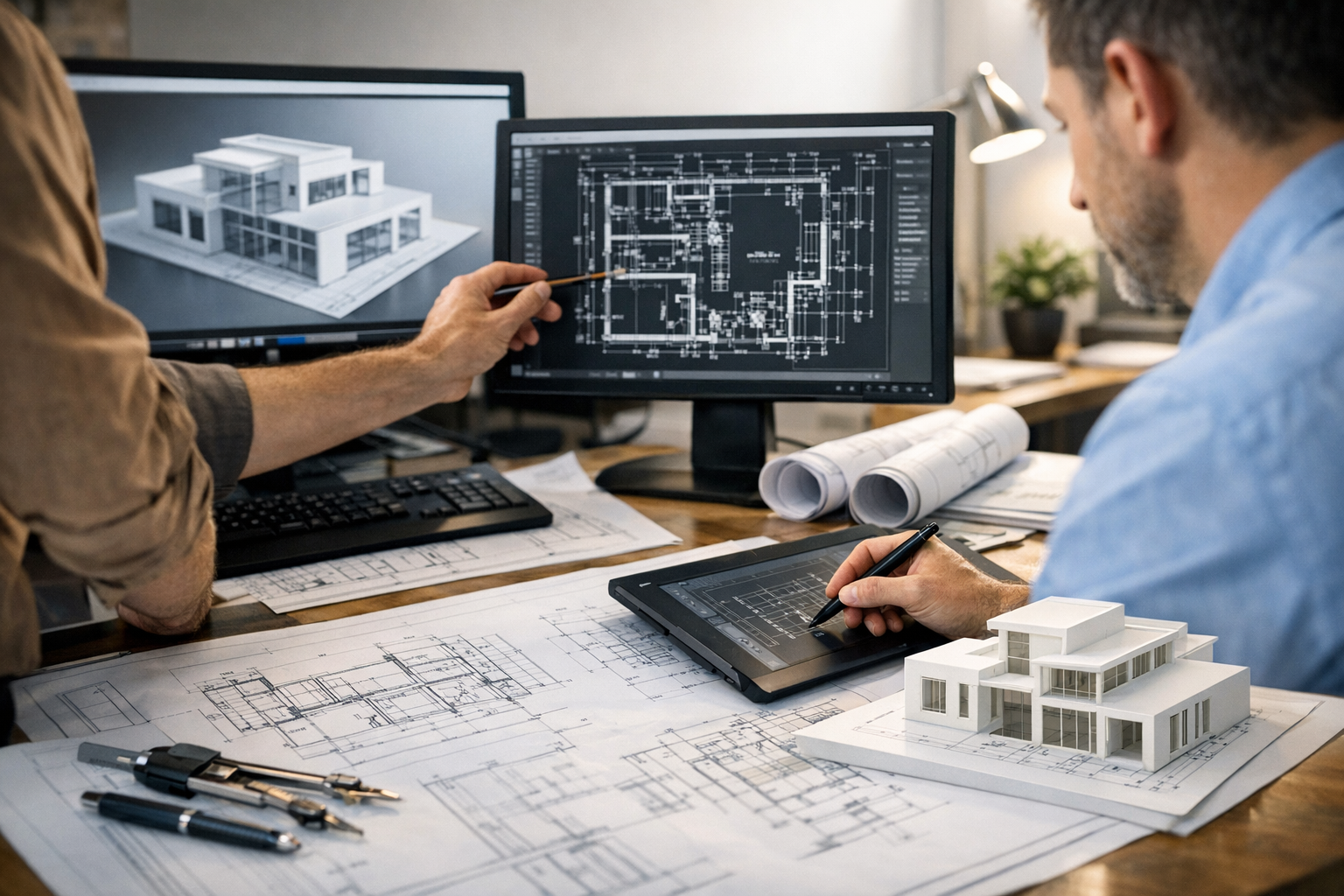
In-house drafting and design services can make a major difference in how smoothly a project moves from concept to completion. Whether you are working on residential development, commercial construction, manufacturing, or product design, having drafting and design work handled internally often leads to better coordination, clearer communication, and faster decision-making. Instead of relying on outside vendors for every revision, teams can collaborate in real time and keep projects moving forward with fewer delays.
What Are In-House Drafting and Design Services?
In-house drafting and design services refer to the creation of technical drawings, plans, and design documentation by a company’s own team rather than outsourcing the work. These services can include architectural drafting, mechanical drafting, engineering drawings, 2D and 3D modeling, CAD drafting, and detailed design revisions. Because the work is performed internally, the team responsible for the project has direct access to the people creating the drawings.
This setup is especially valuable for organizations that need frequent updates, complex coordination, or custom solutions. In-house teams can work closely with project managers, engineers, architects, and operations staff to ensure every drawing reflects current goals and requirements.
Key Benefits of In-House Drafting and Design
One of the biggest advantages of in-house drafting and design services is control. When the drafting team works within the same organization, it is easier to manage priorities, maintain quality standards, and align the design process with business objectives. That level of control can reduce misunderstandings and improve the accuracy of deliverables.
Another major benefit is speed. Projects often require quick changes as new information becomes available. An in-house team can respond immediately, make revisions faster, and avoid the communication lag that sometimes happens with external partners. This can be especially important in fast-moving industries where timing affects budgets and deadlines.
In-house services can also support consistency. Internal designers become familiar with company standards, preferred methods, and recurring project types. Over time, this leads to more uniform documents, fewer errors, and a smoother workflow across multiple jobs.
Improved Communication
Clear communication is essential in any project. With an in-house drafting and design team, questions can be answered quickly, and feedback can be shared without long delays. Project stakeholders can meet directly with the people producing the drawings, which helps reduce confusion and supports better collaboration from start to finish.
Faster Revisions and Turnaround
Design changes are common, and they can happen at any stage of a project. In-house drafting services make revisions easier because the team already understands the scope, objectives, and technical details. Instead of starting from scratch with a new provider, your internal team can update drawings quickly and keep work on schedule.
Better Quality Control
When drafting is handled internally, it is easier to review documents before they are released. Internal quality checks can catch mistakes early, improve accuracy, and ensure consistency across all drawings. This can help reduce costly rework and support better outcomes during construction, manufacturing, or implementation.
How In-House Drafting Supports Project Efficiency
Efficiency is one of the strongest reasons companies invest in in-house drafting and design services. With fewer handoffs, teams can move from concept to approval more smoothly. Designers and drafters can work side by side with engineers, estimators, and project managers, which helps streamline the decision-making process.
In-house teams are also better positioned to maintain organized documentation. Because they are part of the same company, they can track changes, store files in shared systems, and ensure everyone is working from the latest version. This reduces the risk of outdated drawings causing confusion in the field or on the production floor.
For businesses managing multiple projects at once, internal drafting support can be a significant advantage. It creates a central point of expertise and helps the organization stay agile when priorities shift.
Industries That Benefit from In-House Drafting Services
Many industries can benefit from in-house drafting and design services. In architecture and construction, internal drafting teams help produce site plans, floor plans, elevations, and construction documents. In manufacturing, they may create equipment layouts, assembly drawings, and detailed component designs. In engineering, in-house drafters support technical documentation, system design, and model development.
Product development teams also rely on drafting services to translate ideas into precise, buildable designs. Even organizations in facilities management, real estate development, and industrial operations can benefit from having a skilled internal team ready to support planning and documentation needs.
Choosing the Right In-House Drafting and Design Approach
Building an effective in-house drafting and design function starts with the right mix of skills, tools, and processes. Companies should look for team members with strong technical ability, attention to detail, and experience using industry-standard software such as AutoCAD, Revit, SolidWorks, or similar platforms. Just as important is the ability to communicate clearly and work collaboratively across departments.
Technology also plays a major role. Reliable drafting software, file management systems, and collaboration tools help teams work efficiently and avoid errors. Standardized templates, naming conventions, and review procedures can further improve workflow and make it easier to scale as project volume increases.
Organizations should also consider how their in-house team will integrate with outside specialists when needed. In many cases, a hybrid model works well: internal staff handle day-to-day drafting and revisions, while external experts are brought in for specialized support or peak workloads. This approach can provide flexibility without sacrificing control.
Conclusion
In-house drafting and design services offer a practical way to improve communication, increase efficiency, and maintain better control over project outcomes. By keeping drafting expertise close to the core team, businesses can respond faster, reduce errors, and create a more consistent workflow. For organizations that value accuracy, speed, and collaboration, building an internal drafting and design capability can be a smart long-term investment.