New Home Construction Contractors: What They Do and How to Choose the Right One
Understanding New Home Construction Contractors
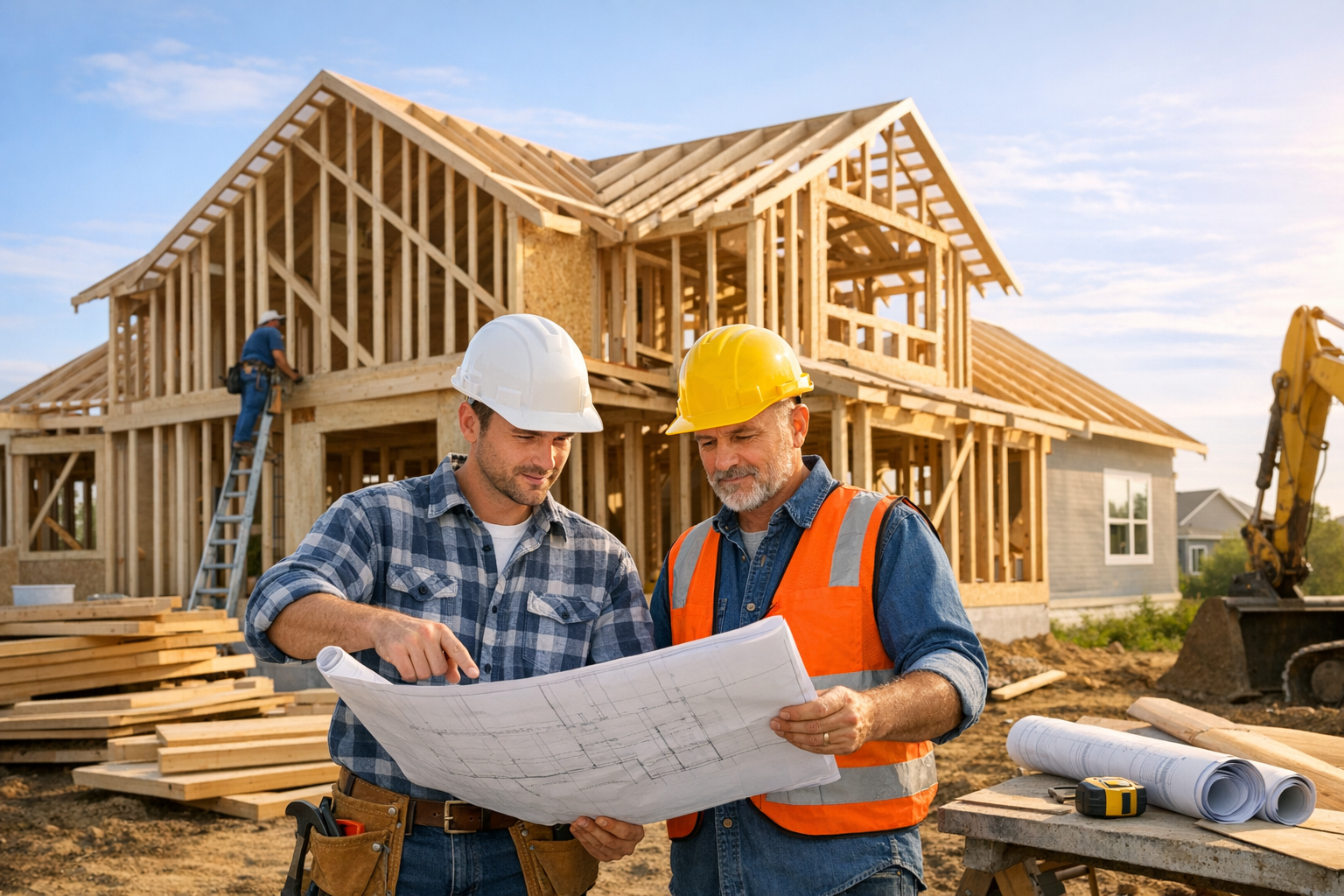
Building a new home is exciting, but it also involves many moving parts, deadlines, and decisions. That’s where new home construction contractors come in. These professionals manage the process of turning a set of plans into a finished house, coordinating workers, materials, permits, inspections, and schedules along the way.
A good contractor acts as the main point of contact throughout the project. Instead of you having to coordinate electricians, plumbers, framers, roofers, and other trades, the contractor oversees the workflow and keeps the project moving. Whether you’re building a custom home, a spec home, or a semi-custom property, choosing the right contractor can have a major impact on the quality, timeline, and overall experience.
What New Home Construction Contractors Do
New home construction contractors handle both the planning and execution of a build. Their responsibilities often begin before the first shovel hits the ground and continue until the final walkthrough is complete.
Project Planning and Coordination
One of the contractor’s first jobs is to review the building plans and create a realistic construction schedule. They coordinate subcontractors, order materials, and make sure work happens in the proper sequence. A well-organized contractor helps reduce delays and prevent costly mistakes.
Permits, Codes, and Inspections
Most new home builds require permits and must meet local building codes. Contractors usually handle the permit process and arrange inspections at the appropriate stages. This helps ensure the home is built legally and safely, while also protecting you from unnecessary compliance issues.
Managing Subcontractors and Suppliers
New home construction contractors often work with a team of specialists, including framers, roofers, HVAC technicians, electricians, and painters. They also source materials from suppliers and keep track of deliveries so that construction stays on schedule.
Budget Oversight
Budget management is another key part of the job. Contractors provide estimates, track costs, and alert you to changes that could affect the total price. Clear communication about allowances, upgrades, and unexpected expenses is essential for avoiding surprises later in the project.
Why Hiring the Right Contractor Matters
Not all contractors offer the same level of experience, organization, or customer service. The right new home construction contractor can make the process much smoother, while the wrong one can lead to delays, frustration, and expensive corrections.
Experienced contractors know how to solve problems before they grow. They can spot scheduling conflicts, handle weather-related delays, and maintain quality control across different phases of construction. They also understand how to communicate with homeowners, which is especially important when questions or changes come up.
In addition, a reliable contractor helps protect your investment. Since a new home is one of the largest purchases most people make, it’s worth choosing someone who has a strong reputation for craftsmanship and accountability.
How to Choose a New Home Construction Contractor
Finding the right contractor takes research, comparison, and careful evaluation. Here are some of the most important things to look for.
Check Experience and Specialization
Look for contractors who have direct experience with new home construction, not just remodeling or general repairs. Building a home from the ground up requires a different skill set, including project scheduling, structural coordination, and code compliance.
If you’re building a custom home, ask whether the contractor has worked on projects similar in size, style, and complexity. A strong track record in homes like yours is a good sign.
Review Licenses, Insurance, and References
Always confirm that the contractor is properly licensed and insured. This protects you if something goes wrong during construction. Ask for references and take time to speak with previous clients about their experience. Questions about communication, timeliness, cleanliness, and final results can help you get a clearer picture of what to expect.
Compare Estimates Carefully
It’s tempting to choose the lowest bid, but price alone should not be the deciding factor. Compare estimates line by line and make sure you understand what is included. A detailed proposal should outline labor, materials, allowances, timelines, and payment terms. If one estimate is much lower than the others, it may leave out key items or assume lower-quality materials.
Ask About Communication Style
Building a home involves many decisions and updates, so communication matters. Ask how often you’ll receive progress reports, who your main contact will be, and how changes are handled. A contractor who communicates clearly and promptly can make the process far less stressful.
Look for Transparency and Organization
Professional new home construction contractors are typically organized, detail-oriented, and upfront about potential challenges. They should be able to explain the process, answer your questions, and provide a realistic timeline. If a contractor seems vague or avoids specifics, that may be a red flag.
Questions to Ask Before Hiring
Before signing a contract, ask a few key questions to better understand the contractor’s approach:
- How many new homes have you built in the past year?
- Will you handle permits and inspections?
- How do you manage schedule changes or unexpected delays?
- What is included in your estimate?
- How do you communicate with clients during the build?
The answers can help you gauge professionalism, experience, and whether the contractor is a good fit for your project.
Common Mistakes to Avoid
Many homeowners run into trouble by rushing the selection process. Avoid choosing a contractor without checking references, comparing bids, or reading the contract carefully. It’s also wise not to make large payments upfront or agree to verbal promises that are not documented.
Another common mistake is underestimating how important communication is. Even a skilled builder can create a frustrating experience if they do not keep you informed. Choosing someone who values clarity and responsiveness is just as important as choosing someone with technical skill.
Conclusion
New home construction contractors play a vital role in bringing your home to life. From planning and permits to managing trades and keeping the budget on track, they help guide the entire building process. By choosing an experienced, transparent, and well-reviewed contractor, you can enjoy a smoother experience and feel more confident in the home you’re building.