How to Find the Best Aging in Place Contractors Near Me
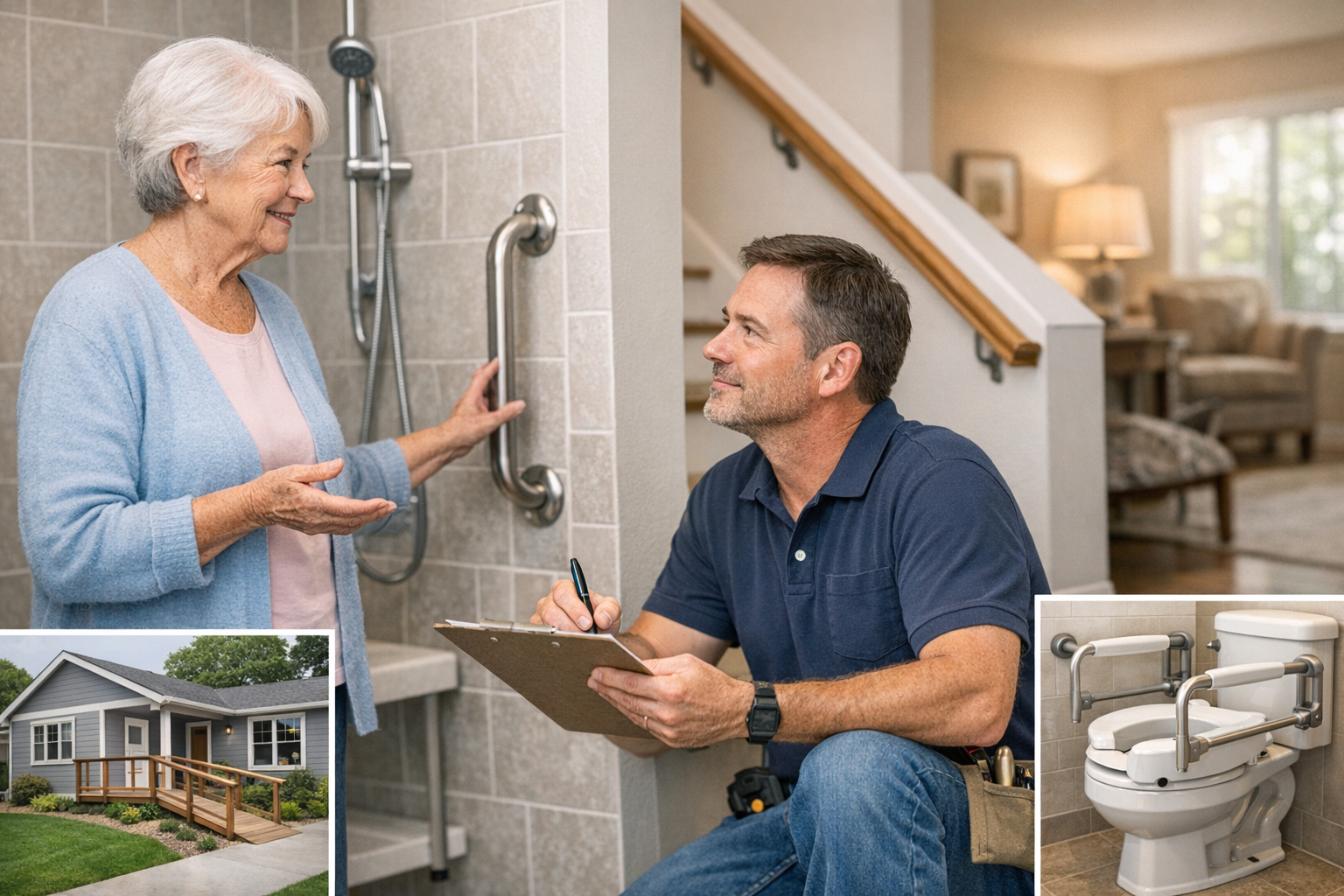
As more homeowners choose to stay in the comfort of their own homes longer, the search for aging in place contractors near me has become increasingly important. Aging in place means making a home safer, easier to navigate, and more comfortable for changing mobility needs without sacrificing style or independence. The right contractor can help you plan smart updates that support both your current lifestyle and your future needs.
What Aging in Place Means
Aging in place refers to living in your home safely, independently, and comfortably as you get older. Instead of moving to a new residence, you make thoughtful home modifications that reduce risks and improve accessibility. These changes can be simple, such as adding better lighting, or more involved, such as remodeling a bathroom for wheelchair access.
The goal is to create a home that works for you now and later. A good aging in place project balances safety, convenience, and design so your home still feels like home.
Why Hire Aging in Place Contractors Near Me
Not every contractor understands the unique needs of aging in place remodeling. Specialized aging in place contractors bring experience in accessibility, universal design, and safety-focused upgrades. They know how to recommend improvements that fit your home layout, your budget, and your long-term goals.
Working with local contractors also offers practical advantages. They are familiar with regional building codes, can respond quickly, and may have trusted relationships with local suppliers and inspectors. Searching for aging in place contractors near me helps you find professionals who are convenient, qualified, and easier to communicate with throughout the project.
Common Services They Offer
Aging in place contractors can handle a wide range of remodeling and modification projects. Many homeowners start with one area of the home and expand over time as needs change.
Bathroom Safety Modifications
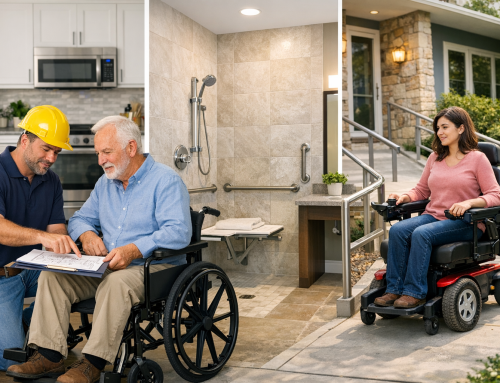
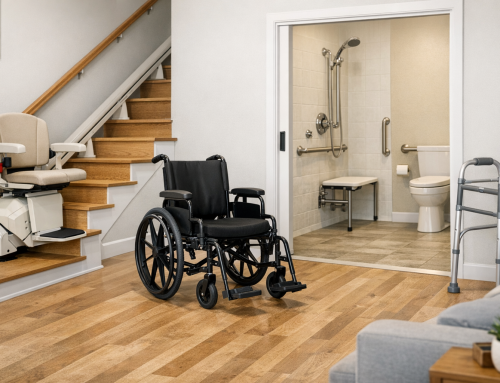
Bathrooms are one of the most important spaces to update. Common improvements include walk-in showers, grab bars, non-slip flooring, comfort-height toilets, wider doorways, and improved lighting. These updates can reduce fall risk and make daily routines much easier.
Kitchen Accessibility Updates
Kitchens can be redesigned with lower countertops, pull-out shelves, easy-reach storage, lever-style faucet handles, and safer appliance placement. These features make cooking and cleaning more manageable while maintaining a functional, attractive space.
Entryway and Stairway Improvements
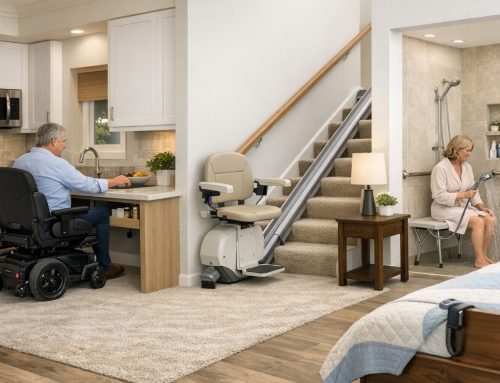
Safe access to the home matters just as much as interior accessibility. Contractors may install ramps, improve handrails, widen doorways, or add stair lifts depending on the layout of the property. Even small changes at entrances can make a major difference in independence.
Lighting and Flooring Enhancements
Better lighting and safer flooring are often overlooked but essential. Bright, even lighting helps prevent trips and falls, while flooring materials with less glare and more traction can improve stability. Contractors can recommend options that are both practical and visually appealing.
How to Choose the Right Contractor
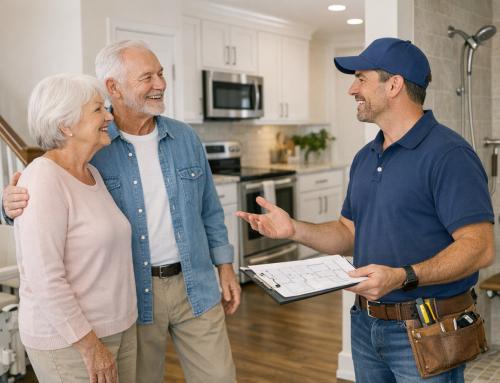
Finding the right professional takes a little research, but it is well worth the effort. Start by looking for contractors with experience in aging in place, accessible design, or universal home modifications. Ask for examples of completed projects and check whether they understand the specific needs of older adults or those with mobility limitations.
It is also smart to verify licenses, insurance, and references. A trustworthy contractor should be willing to answer questions, explain the process clearly, and provide a detailed written estimate. If possible, meet with a few different contractors so you can compare communication style, pricing, and project ideas.
When searching online, use phrases like aging in place contractors near me plus your city or neighborhood to narrow results. Reading reviews can also help you identify professionals who are reliable, respectful, and experienced with similar projects.
Questions to Ask Before Hiring
Before you sign a contract, ask a few important questions to make sure the contractor is the right fit:
- Have you completed aging in place or accessibility projects before?
- Can you suggest solutions based on my current and future needs?
- Do you handle permits and inspections?
- What is the estimated timeline for this project?
- How do you manage changes or unexpected issues during the remodel?
These questions help you understand not just the contractor’s skills, but also their approach to communication and project management.
Benefits of Local Expertise
Hiring local aging in place contractors offers more than convenience. Local professionals often understand the housing styles common in your area, which can help them recommend modifications that blend well with your home. They may also be more accessible for follow-up visits, warranty work, or future updates as your needs evolve.
Local expertise can be especially valuable if your home has older construction, unique layouts, or regional code requirements. A contractor who works in your community regularly will likely know how to navigate these challenges efficiently.
Planning Your Project
The best aging in place projects begin with a clear plan. Think about the spaces you use most, the safety concerns you want to address, and the improvements that will have the biggest impact. Some homeowners start with a single bathroom, while others focus on creating a more accessible first-floor living arrangement.
It can also help to prioritize changes in phases. For example, you might begin with safety upgrades like lighting and grab bars, then move on to more extensive remodeling later. A good contractor can help you create a practical roadmap that fits your budget and timeline.
Conclusion
Searching for aging in place contractors near me is a smart first step toward making your home safer, more comfortable, and better prepared for the future. With the right local contractor, you can complete thoughtful upgrades that support independence while preserving the beauty and character of your home. Start with a clear plan, ask the right questions, and choose a professional who understands both accessibility and design.