Mobility-Friendly Home Renovations: Practical Upgrades for Safer, Easier Living
Why Mobility-Friendly Home Renovations Matter
Mobility-friendly home renovations can make daily life safer, more comfortable, and more independent for people of all ages. Whether you are planning for aging in place, recovering from an injury, or creating a more accessible home for a family member, thoughtful upgrades can reduce strain and lower the risk of falls. The best changes are often simple, functional, and designed to fit naturally into the home.
These renovations are not only about accessibility. They can also improve convenience and boost long-term property value. A well-planned home that supports easier movement is a home that works better for everyone.
Start With the Right Assessment
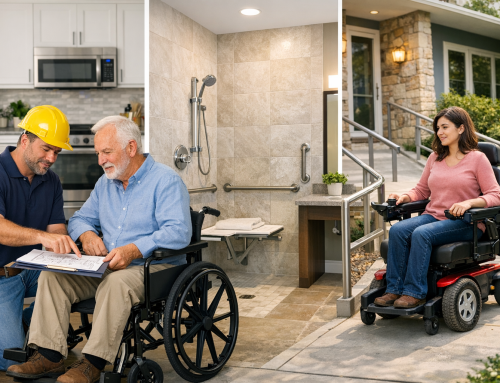
Before making changes, take time to evaluate how each room is used and where mobility challenges are most likely to occur. Look for narrow walkways, high thresholds, slippery floors, poor lighting, and hard-to-reach storage. Consider how someone moves through the home in a wheelchair, with a walker, or with limited balance.
It can help to walk through the home and note problem areas in the entryway, kitchen, bathroom, hallway, and bedroom. A professional accessibility contractor or occupational therapist can also identify practical improvements you may not notice on your own.
Prioritize Safety and Daily Function
When choosing projects, focus first on spaces that affect daily routines. Bathrooms, entrances, and kitchens often provide the biggest benefits when updated. Even small improvements in these areas can make routines easier and reduce physical effort.
Key Renovations for Better Accessibility
The most effective mobility-friendly renovations combine safety, ease of use, and good design. You do not need to remodel every room at once. In many homes, a few targeted changes can create a major difference.
Entryways and Exterior Access
Front steps and steep thresholds can be major barriers. Consider adding a ramp with a gentle slope, widening exterior pathways, or installing a low or zero-threshold entrance. Covered entryways and non-slip surfaces also help protect against weather-related hazards.
Lever-style door handles are easier to use than round knobs, especially for people with limited grip strength. Motion-sensor or well-placed exterior lighting can improve visibility and safety at night.
Hallways and Doorways
Wider doorways make it easier to move through the home with a wheelchair, walker, or mobility scooter. In many cases, widening interior doors to 32 inches or more can improve access without dramatically changing the look of the home.
Hallways should stay clear of clutter and have enough width for comfortable movement. If possible, remove unnecessary transitions between flooring materials and eliminate raised thresholds that can create tripping hazards.
Bathrooms
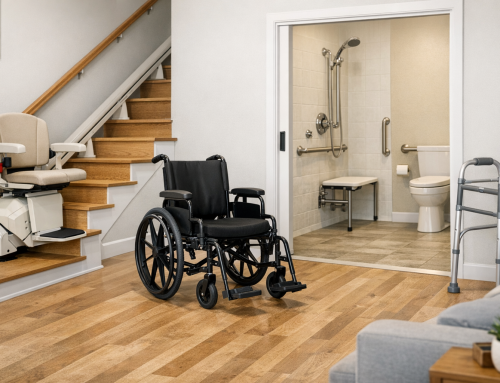
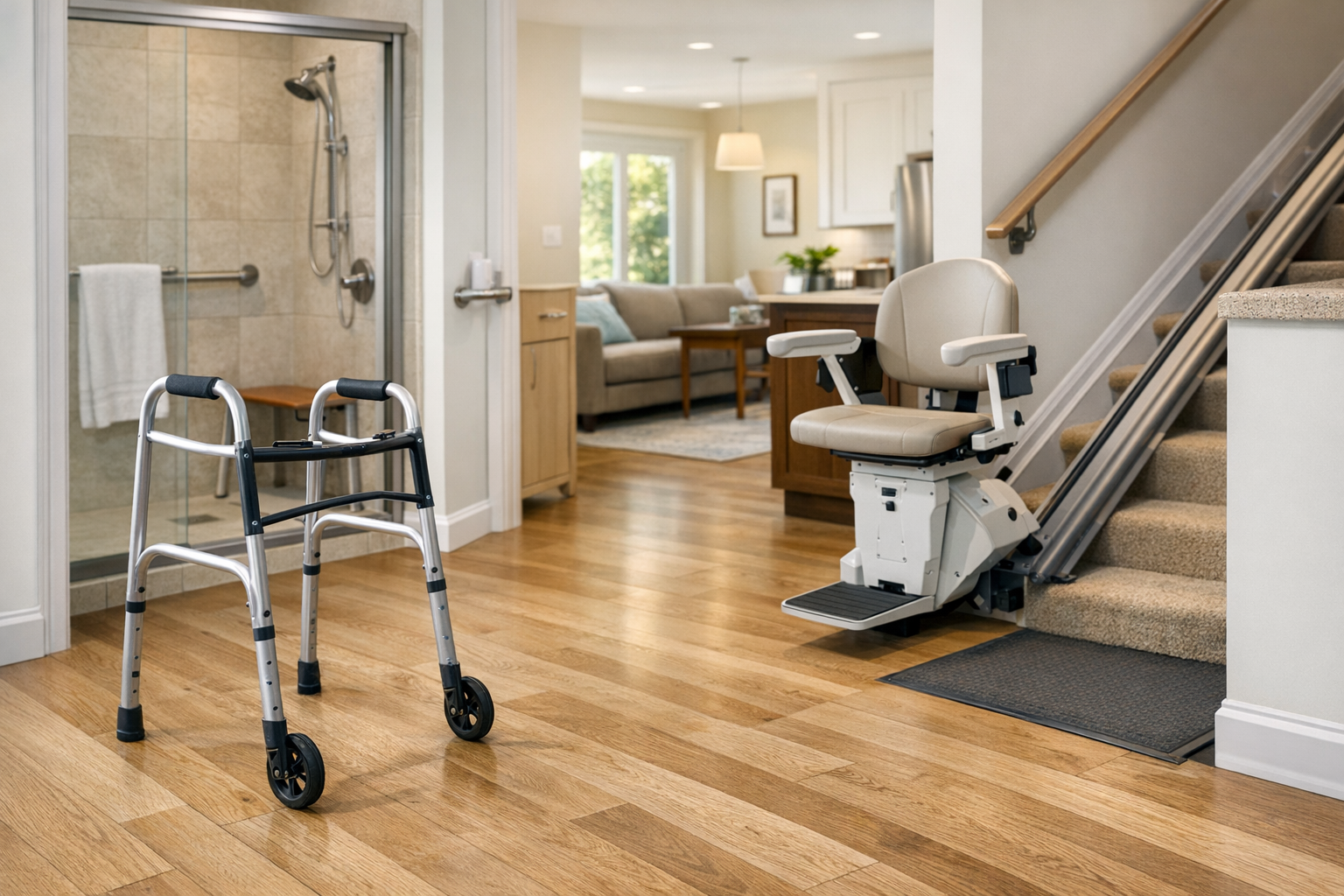
Bathrooms are one of the most important spaces to renovate for mobility support. A walk-in shower with a bench and handheld showerhead can be much safer than a tub with a high side. Non-slip flooring, grab bars, and a comfort-height toilet are other useful upgrades.
For added convenience, consider a wall-mounted sink with open space underneath, which can allow easier wheelchair access. Good lighting is essential, especially around mirrors, showers, and toilet areas.
Kitchens
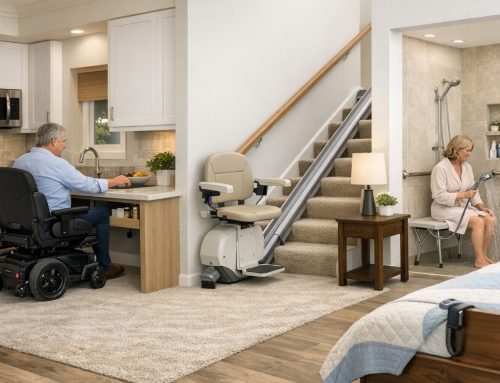
An accessible kitchen should allow easy movement and reduce the need for reaching, bending, or carrying heavy items. Adjustable-height counters, pull-out shelves, and side-opening ovens can make cooking more manageable. A lower sink or clear space under a countertop may help if wheelchair access is needed.
Store everyday items in easy-to-reach cabinets and drawers rather than high shelves. Pull-down shelving, lazy Susans, and deep drawers can improve organization while reducing strain.
Bedrooms and Living Areas
In bedrooms, allow enough space around the bed for easy transfers and mobility aid use. A bed at the right height can make getting in and out simpler. Closet systems with lower rods, pull-down bars, and open floor space can also improve accessibility.
In living rooms, choose furniture with firm cushions, higher seat heights, and stable armrests to support easier sitting and standing. Keep walkways open and avoid loose rugs or low-profile furniture that creates obstacles.
Design Features That Support Independence
Mobility-friendly design is about more than major remodeling. Small details often have a big impact on independence. Touchless faucets, smart lighting, voice-activated controls, and remote-operated blinds can reduce physical effort and improve comfort. Rounded counter edges, slip-resistant finishes, and easy-grip hardware can also make a home more user-friendly.
Good lighting deserves special attention. Use layered lighting that combines overhead fixtures, task lighting, and night lights to reduce shadows and improve visibility. This is especially important in hallways, staircases, bathrooms, and entryways.
Budgeting and Planning Your Renovation
It is smart to prioritize renovations based on need, budget, and the amount of disruption each project may cause. If a full remodel is not possible, start with lower-cost updates like grab bars, better lighting, slip-resistant flooring, and lever handles. These smaller changes can be completed quickly and still provide meaningful benefits.
When planning a larger project, work with contractors who understand accessibility standards and universal design principles. Ask about materials that are durable, easy to clean, and suitable for long-term use. Planning ahead can help you avoid expensive changes later.
Creating a Home That Works for Everyone
The most successful mobility-friendly renovations blend accessibility with comfort and style. A home can be both attractive and practical when upgrades are chosen thoughtfully. By focusing on the spaces you use most and making changes that improve safety and ease of movement, you create a home that better supports everyday life.
Start with the areas that matter most, then build from there. Even a few well-planned improvements can make a home feel more open, welcoming, and easier to navigate.
Conclusion
Mobility-friendly home renovations are an investment in independence, safety, and peace of mind. With the right upgrades, your home can adapt to changing needs while remaining comfortable and functional for years to come.