Accessible Home Design Contractors: How to Choose the Right Partner for a Safer, Smarter Home
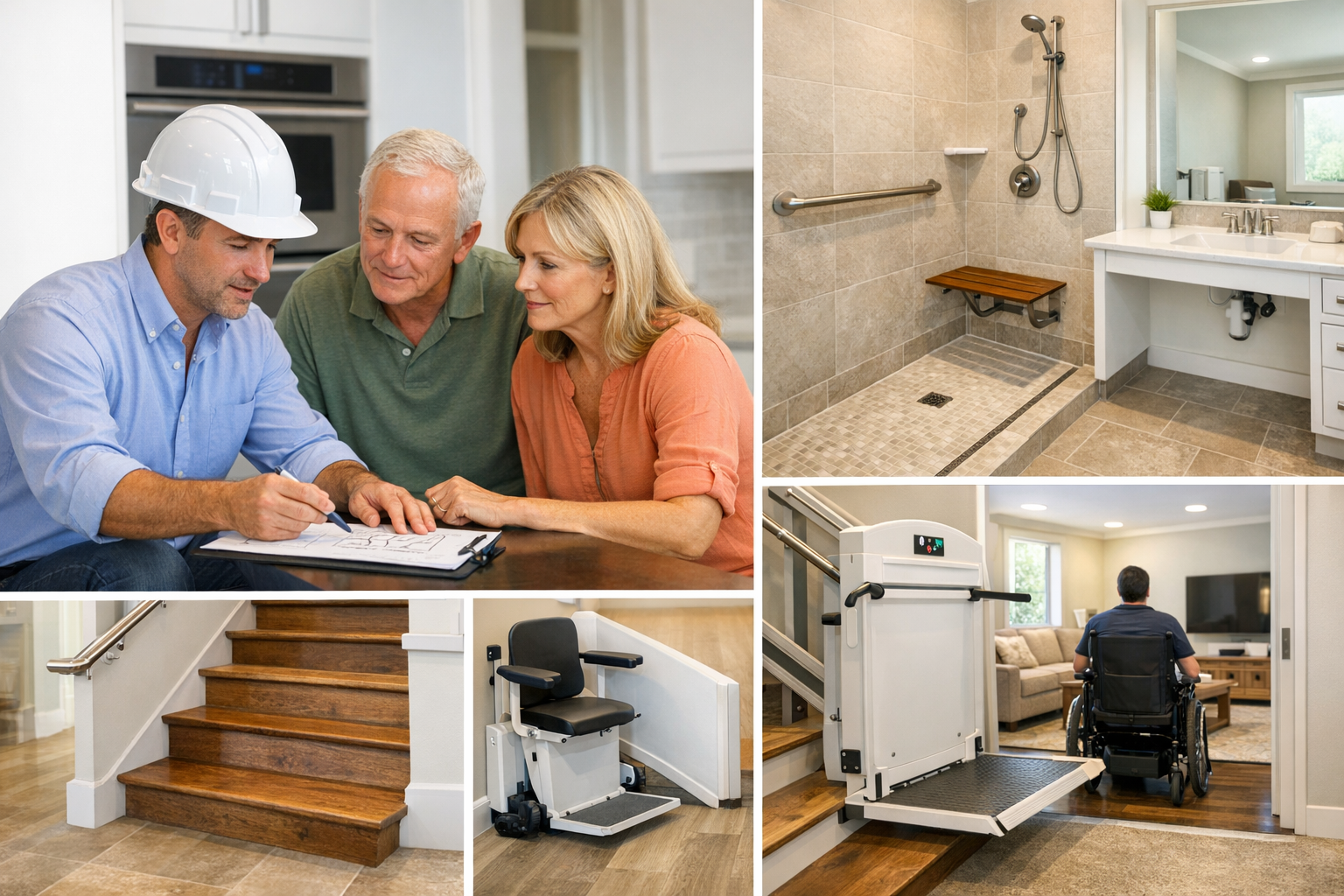
What Accessible Home Design Contractors Do
Accessible home design contractors help homeowners create spaces that are easier, safer, and more comfortable to use for people of all ages and abilities. Their work goes beyond cosmetic remodeling. They focus on practical improvements that support mobility, independence, and daily living.
These contractors may handle projects such as step-free entrances, wider doorways, curbless showers, grab bars, lowered counters, improved lighting, and easier-to-reach storage. In many homes, they also coordinate with designers, occupational therapists, and trade specialists to ensure the finished space meets both functional and aesthetic goals.
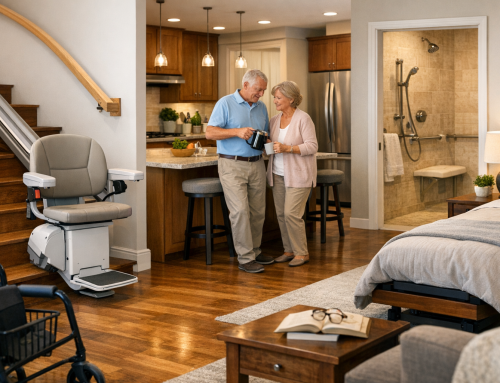
Whether you are planning for aging in place, recovering from an injury, or adapting a home for a family member with a disability, an experienced contractor can turn broad needs into a workable plan.
Why Accessible Design Matters in Today’s Homes
Accessibility is no longer a niche concern. Families are increasingly looking for homes that can adapt over time. A house that works well today should also support changing needs in the future.
Accessible design improves safety by reducing fall risks and making everyday tasks simpler. It can also increase comfort for guests, caregivers, and children. Small changes, such as lever handles or non-slip flooring, may make a noticeable difference in daily life. Larger renovations can help a person remain independent longer and may even reduce the need for assisted living or frequent home assistance.
There is also a long-term financial benefit. Thoughtful accessibility upgrades can add value by making a home appealing to a wider range of buyers, especially in markets where multigenerational living is common.
Key Services to Look For
Mobility-Friendly Entrances and Layouts
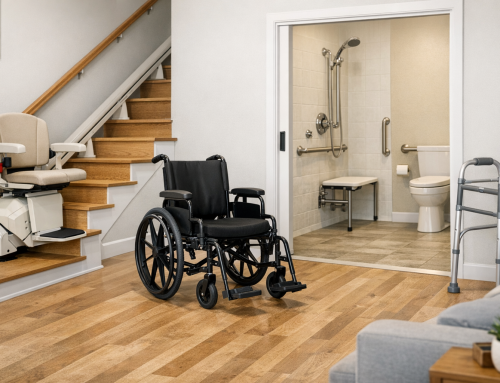
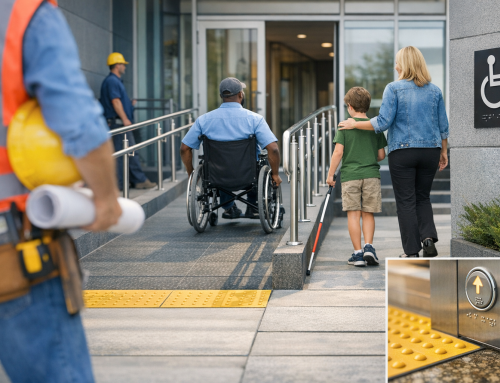
One of the most common goals is improving access from the outside in. Contractors may build ramps, add zero-step entries, widen hallways, or rework interior layouts to improve movement between rooms. These changes are especially important for wheelchair users, people using walkers, and homeowners who want to avoid stairs.
Accessible Kitchens and Bathrooms
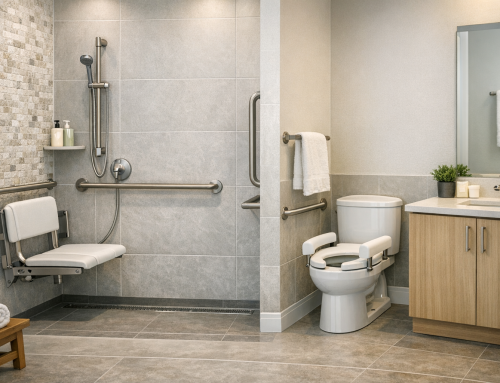
Kitchens and bathrooms often need the most attention. In kitchens, accessible contractors may lower countertops, create knee space under sinks, and install pull-out shelves or easy-grip hardware. In bathrooms, common upgrades include curbless showers, handheld showerheads, transfer benches, and reinforced walls for future grab bars.
Safety and Support Features
Good accessible design also includes details that improve everyday safety. Better task lighting, anti-slip surfaces, stair handrails, and accessible switches or outlets can all reduce strain and hazards. The best contractors consider both immediate needs and future flexibility, so the home can adapt over time.
How to Choose the Right Contractor
Finding the right accessible home design contractor starts with experience. Look for a professional who has completed similar projects and understands the difference between general remodeling and true accessibility planning. A contractor who regularly works on accessible renovations is more likely to anticipate challenges and suggest practical solutions.
Ask about certifications, training, and relevant memberships. Some contractors collaborate with certified aging-in-place specialists or accessibility consultants. While formal credentials are not the only sign of quality, they can be a helpful indicator of expertise.
It is also important to review portfolios and references. Before-and-after photos can reveal whether the contractor balances function with good design. Client reviews may show how well they communicate, stay on schedule, and handle unexpected issues.
During the interview process, ask direct questions. How do they approach accessibility planning? Do they coordinate with occupational therapists or other specialists if needed? How do they handle permits, code compliance, and inspections? A strong contractor should be able to explain the process clearly and make you feel comfortable asking questions.
Questions to Ask Before Hiring
Before signing a contract, make sure you understand how the project will be managed. Helpful questions include:
- What similar accessibility projects have you completed?
- How do you assess a home’s current barriers and recommend solutions?
- Will you handle permits and local code requirements?
- How do you estimate costs and deal with change orders?
- What is the expected timeline for the work?
- How will you keep the work area safe during construction?
These questions can reveal whether the contractor is organized, transparent, and genuinely focused on accessibility rather than simply offering standard remodeling services.
Working With a Contractor on a Home Accessibility Plan
A successful project starts with a good plan. In the beginning, walk through the home together and talk about daily routines, pain points, and future goals. For example, you may want to make it easier to enter the house, bathe safely, or cook without reaching overhead.
Be specific about who will use the space and what challenges they face. A design that works for someone using a wheelchair may be different from one intended for a person with arthritis, low vision, or balance issues. The more detail you provide, the more tailored the solution can be.
It can also help to prioritize projects. If a full renovation is not possible right away, a contractor may suggest phased improvements. This could mean starting with the bathroom, then moving on to doorways, lighting, and entry access later.
Costs, Timelines, and What to Expect
Accessible remodeling costs vary widely depending on the size of the project, the condition of the home, and the level of customization required. A simple installation, such as grab bars or lever handles, may be relatively affordable. Larger projects like bathroom conversions or entryway changes will cost more and may require permits or structural work.
Timelines also depend on scope. Smaller modifications may take only a few days, while major renovations can last several weeks or longer. A reliable contractor should provide a written estimate, a realistic schedule, and a clear explanation of what is included.
When comparing bids, avoid choosing only by price. The least expensive option is not always the best if it fails to address safety, usability, or future needs. Look for value, not just cost.
Conclusion
Accessible home design contractors play an important role in creating homes that are safer, more comfortable, and more adaptable. By choosing a contractor with the right experience, asking thoughtful questions, and planning carefully, you can create a space that supports independence now and in the years ahead.