Accessible Kitchen Design and Remodeling: Creating a Space That Works for Everyone
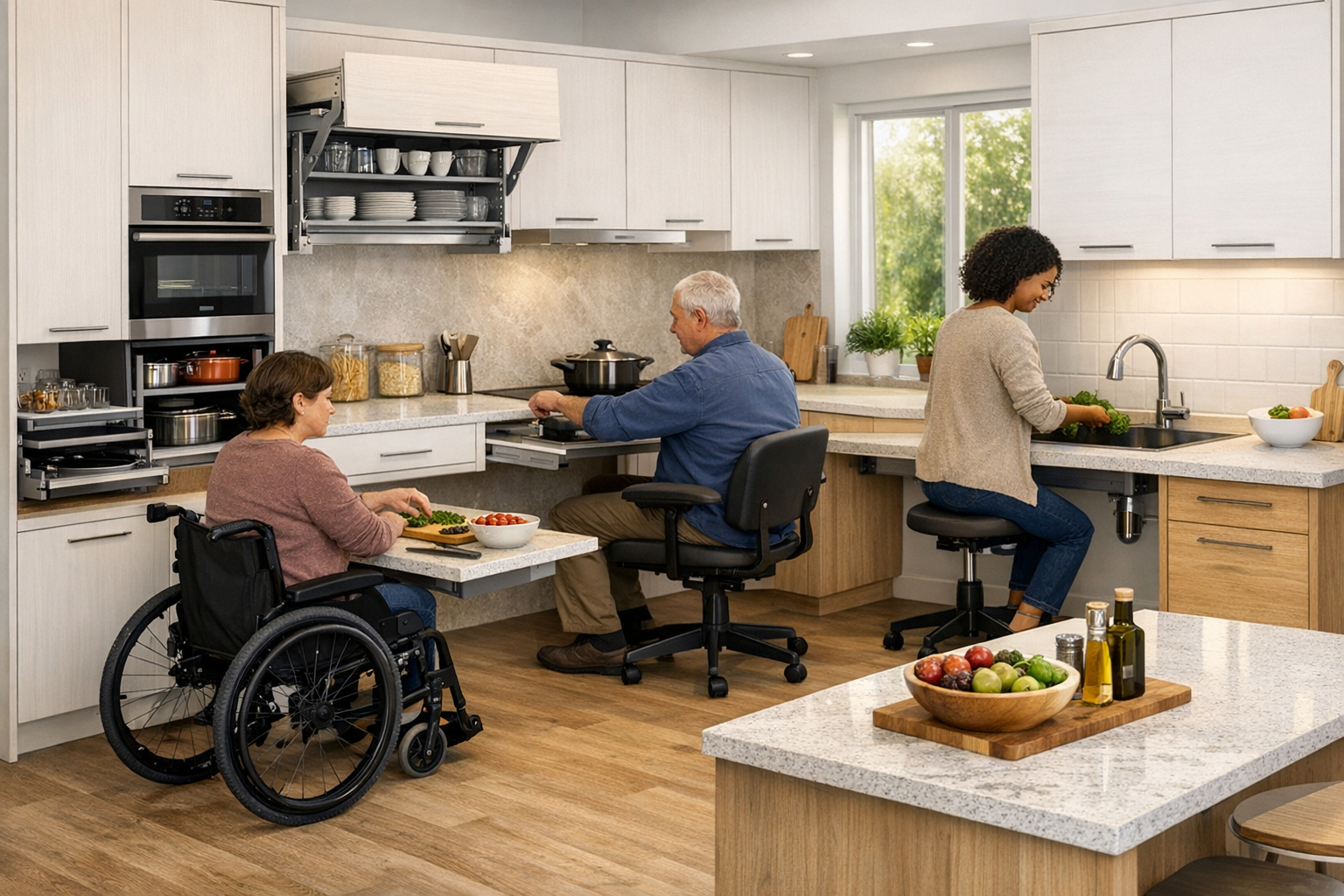
An accessible kitchen is more than a convenience—it’s a space that supports independence, safety, and comfort for people of all ages and abilities. Whether you’re planning for aging in place, accommodating a mobility challenge, or simply making daily routines easier, thoughtful kitchen design can make a major difference. The best accessible kitchens blend function and style so the room feels welcoming, practical, and beautiful at the same time.
What Makes a Kitchen Accessible?
Accessible kitchen design focuses on removing barriers and reducing strain during everyday tasks. That means planning for clear movement, easy reach, safer surfaces, and appliances that are simple to use. A well-designed kitchen should allow someone using a wheelchair, walker, or other mobility aid to navigate comfortably, but it should also work well for children, older adults, and busy households.
Accessibility is not one-size-fits-all. The right layout depends on who uses the kitchen, how they cook, and what challenges they face. Some homes may need wider pathways and lower work surfaces, while others benefit from improved lighting, lever handles, or pull-out storage. The goal is to make the kitchen easier to use without making it feel clinical or specialized.
Key principles to keep in mind
- Clear circulation space: Allow enough room to move safely between counters, appliances, and cabinets.
- Easy reach: Place everyday items within comfortable range to minimize bending, stretching, or climbing.
- Simple operation: Choose fixtures and appliances that are intuitive and easy to control.
- Safety first: Reduce slip hazards, sharp edges, and poor visibility wherever possible.
Layout and Traffic Flow
The layout is the foundation of an accessible kitchen. A cramped or awkward floor plan can make even the best features hard to use. Start by evaluating how people move through the room during meal prep, cleanup, and storage access. In many cases, an open or partially open layout works best because it creates wider pathways and easier turning space.
Designers often recommend a work triangle between the sink, stove, and refrigerator, but accessibility should come first. If someone uses a wheelchair or needs extra clearance, the triangle may need to be adjusted to create easier access and less backtracking. Avoid placing large obstacles in high-traffic areas, and make sure cabinet doors, dishwashers, and ovens can open without blocking movement.
Helpful layout strategies
- Maintain generous aisle widths for mobility devices and multiple users.
- Keep the most frequently used work zones close together.
- Use open corners or smart storage solutions to prevent wasted space.
- Plan for clear access to sinks, prep areas, and appliances from multiple angles.
Countertops, Cabinets, and Storage Solutions
Storage is one of the most important parts of accessible kitchen remodeling. Traditional upper cabinets and deep base cabinets can be difficult to reach, so the goal is to bring items closer to the user. Pull-out shelves, lazy Susans, deep drawers, and vertical dividers can dramatically improve usability. These features help reduce bending and reaching while keeping everything organized and easy to find.
Countertop height matters too. Standard counters are not always comfortable for every user, especially if the kitchen is used by someone seated. In some remodels, a section of lowered counter creates a dedicated prep or baking space. In others, adjustable-height surfaces offer flexibility for households with mixed needs.
Cabinet hardware should also be easy to grip. D-shaped pulls, lever-style handles, and touch-to-open systems can all make storage more accessible. If you’re remodeling, think beyond appearance and consider how every cabinet and drawer will be used in daily life.
Storage ideas that improve access
- Install pull-out pantry shelves for dry goods and small appliances.
- Use drawers instead of deep lower cabinets for dishes and cookware.
- Store heavy items between waist and shoulder height.
- Reserve the hardest-to-reach spaces for rarely used items.
Appliances and Fixtures for Everyday Ease
Accessible appliances can make cooking and cleanup much less demanding. Look for features such as side-opening ovens, front-control ranges, drawer-style dishwashers, and refrigerators with easy-grip handles. Appliances with clear displays, tactile controls, and simple settings are especially helpful for users with limited dexterity or vision challenges.
The sink and faucet also deserve special attention. A shallow sink may reduce reaching, while a pull-down or touchless faucet can make washing dishes much easier. Single-handle or lever-style faucets are often easier to operate than knobs. If possible, position the sink with knee clearance underneath so it can be used from a seated position.
Lighting is another essential fixture consideration. Bright, layered lighting helps improve visibility at prep stations, inside cabinets, and around cooking surfaces. Under-cabinet lighting can reduce shadows and make tasks safer and more comfortable.
Safety Features That Make a Big Difference
Safety should never be an afterthought in kitchen remodeling. Accessible design often includes details that prevent falls, burns, and other common accidents. Non-slip flooring is a smart starting point, especially in a room where spills are likely. Matte surfaces are often better than highly polished finishes because they reduce glare and improve traction.
Rounded countertop edges, accessible outlets, and clear floor space can also reduce risk. In some kitchens, induction cooktops are a valuable upgrade because they heat cookware directly and stay cooler to the touch than traditional gas or electric surfaces. This can help lower the chance of accidental burns.
Emergency access matters too. Light switches should be easy to reach, and the kitchen should be well lit from the moment someone enters the room. If mobility is a concern, consider placing frequently used items in accessible spots so there is less need to carry hot or heavy objects across the kitchen.
Planning Your Accessible Kitchen Remodel
A successful accessible remodel starts with understanding the people who will use the space. Think about current needs as well as future ones. A kitchen designed for aging in place should be flexible enough to support changing abilities over time. It’s often worth consulting with an occupational therapist, designer, or contractor experienced in universal design and accessibility standards.
Before construction begins, make a list of frustrations in the current kitchen. Which tasks are hard? Which items are out of reach? Where do safety issues happen most often? These answers can help guide priorities and make sure the remodel addresses real problems instead of just updating finishes.
Budget also plays a role. Not every improvement requires a full renovation. Sometimes a few strategic updates—such as replacing cabinet hardware, adding pull-out shelves, improving lighting, or lowering one counter section—can deliver meaningful results. Larger remodels can then build on those improvements over time.
Conclusion
Accessible kitchen design is about creating a space that supports independence, comfort, and confidence. With the right layout, storage, fixtures, and safety features, a kitchen can become easier to use for everyone in the household. Whether you’re making small updates or planning a full remodel, thoughtful accessibility choices can add lasting value and improve daily life.