Whole Home Renovation Contractors: What They Do and How to Choose the Right One
What a Whole Home Renovation Contractor Does
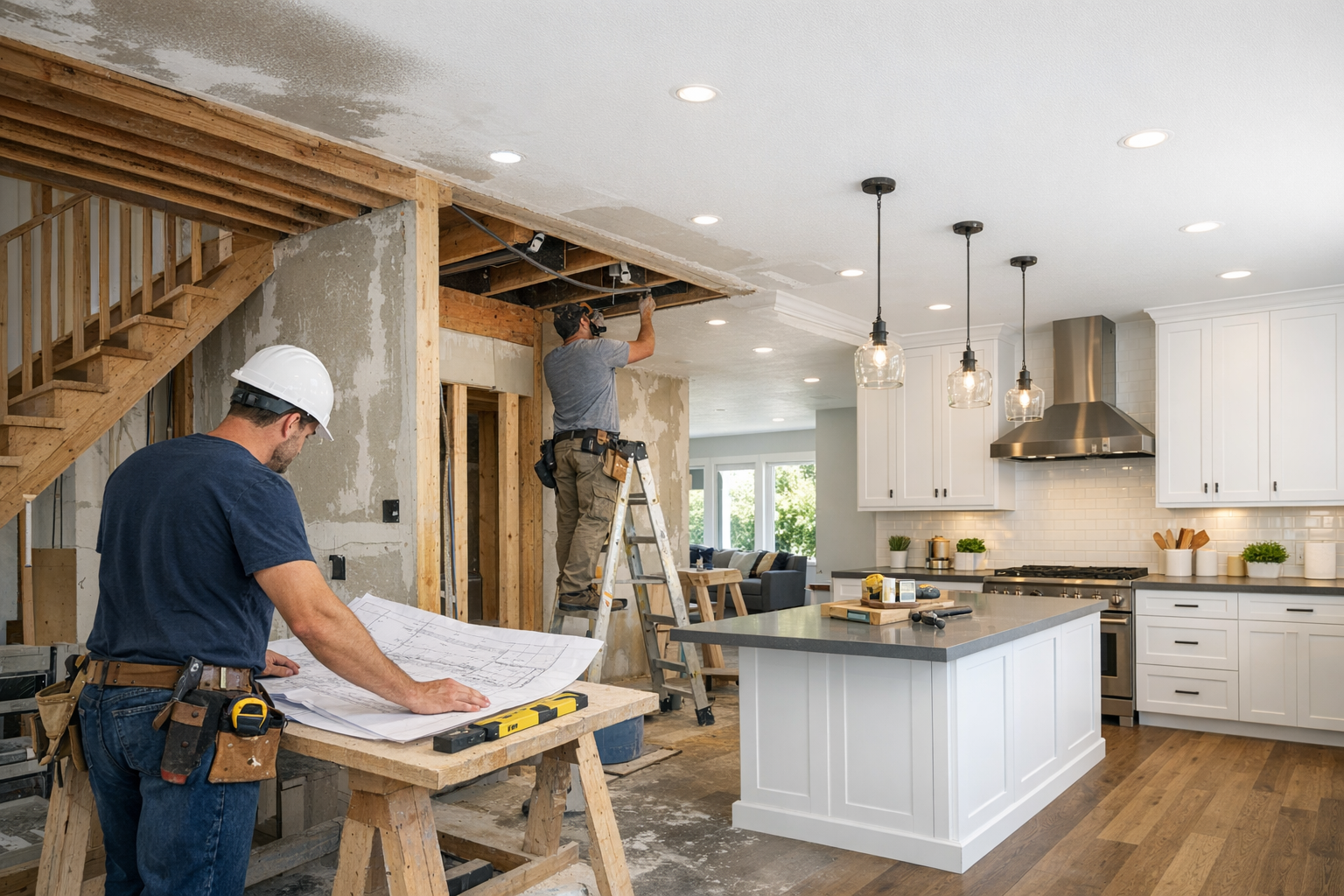
A whole home renovation contractor manages large-scale remodeling projects that update multiple areas of a house at once—or transform the entire property from top to bottom. Unlike a contractor who focuses on a single room, such as a kitchen or bathroom, a whole home renovation contractor coordinates the planning, scheduling, subcontractors, permits, materials, and construction work needed to bring the full vision together.
This type of contractor is especially valuable when a project involves structural changes, electrical or plumbing updates, layout reconfiguration, energy-efficiency upgrades, or finishes across several rooms. Their role is to keep the renovation organized, on budget, and moving forward smoothly. In many cases, they also serve as the main point of contact, helping homeowners make decisions and avoid the stress of managing every detail themselves.
Because whole home renovations are complex, the contractor’s experience matters. They need to understand building codes, project sequencing, and how different trades work together. A good contractor can spot potential issues early and recommend practical solutions before delays or costly mistakes happen.
Signs You Need a Whole Home Renovation Contractor
Not every project requires a full-service renovation contractor, but there are clear situations where hiring one makes sense. If your home needs updates in several rooms, the project will likely benefit from professional coordination. This is especially true if you want to change the floor plan, remove walls, add rooms, or modernize an older home.
You may also need a whole home renovation contractor if your house has outdated systems. Old wiring, aging plumbing, poor insulation, or inefficient HVAC systems often need to be addressed alongside cosmetic upgrades. When these issues are handled together, the result is safer, more efficient, and more cohesive.
Another sign is when your project includes multiple specialists. If you need electricians, plumbers, carpenters, painters, tile installers, and cabinet makers, coordinating everyone on your own can quickly become overwhelming. A renovation contractor brings those moving parts together into one streamlined process.
How to Choose the Right Contractor
Choosing the right contractor is one of the most important decisions in any renovation. Start by looking for contractors who have specific experience with whole home remodeling, not just small repairs or single-room upgrades. Review their portfolio, ask for references, and look for examples of projects similar in size and style to yours.
Licensing and insurance are essential. A reputable contractor should be properly licensed in your area and carry both liability insurance and workers’ compensation coverage. These protections help reduce risk for everyone involved.
Communication is another key factor. During your initial conversations, pay attention to how clearly the contractor explains the process, timeline, and budget. A strong contractor should be responsive, transparent, and willing to answer questions without making you feel rushed.
It also helps to compare detailed estimates from more than one contractor. The cheapest bid is not always the best choice. Instead, focus on value, scope, quality of materials, and the contractor’s ability to manage the project effectively. A thorough estimate should outline labor, materials, allowances, and any potential exclusions.
Questions to Ask Before Hiring
Before signing a contract, ask questions that help you understand how the contractor works. For example: How many whole home renovations have you completed? Who will manage the project day to day? How do you handle change orders? What is the expected timeline? How do you communicate progress and unexpected delays?
You should also ask for details about subcontractors and suppliers. Knowing who will be in your home—and how they are selected—can give you greater confidence in the process. If possible, request a sample contract so you can review the terms before making a commitment.
What to Expect During the Renovation Process
A whole home renovation usually begins with planning and design. This stage may involve measuring the space, discussing your goals, selecting finishes, and creating a detailed scope of work. In some cases, the contractor works with an architect or designer to finalize plans before construction starts.
Once the project begins, demolition and structural work often come first. After that, rough framing, plumbing, electrical, and HVAC updates are completed. Then the focus shifts to insulation, drywall, flooring, cabinetry, trim, painting, and final fixtures. Because many steps depend on the one before them, scheduling is crucial.
It is normal for renovations to cause some disruption. Depending on the size of the project, you may need to temporarily move out or adjust your routines while work is underway. A good contractor will communicate regularly so you know what to expect and when major milestones are approaching.
Budget changes can also happen, especially if hidden issues are discovered after walls are opened. An experienced contractor will explain these discoveries clearly and help you decide how to proceed without losing control of the project.
Benefits of Hiring a Whole Home Renovation Contractor
One of the biggest benefits of hiring a whole home renovation contractor is simplified project management. Instead of coordinating every trade yourself, you have one professional overseeing the work from start to finish. That can save time, reduce stress, and improve accountability.
Another major advantage is quality control. A skilled contractor knows how to sequence tasks properly, maintain standards, and keep the work aligned with your goals. This leads to a more polished final result and fewer headaches during the process.
Hiring the right contractor can also protect your investment. Renovations can add value to your home when they are planned well and executed carefully. By improving layout, function, and finishes all at once, you can create a space that feels cohesive and more enjoyable to live in.
Just as importantly, whole home renovation contractors help homeowners make informed decisions. With so many choices in materials, design, and layout, having expert guidance can prevent costly missteps and ensure the finished home supports your lifestyle.
Conclusion
A whole home renovation is a major undertaking, but the right contractor can make the process far more manageable. From planning and permits to construction and finishing touches, a skilled professional brings structure, communication, and expertise to every stage. If you are considering a large-scale remodel, taking the time to choose the right whole home renovation contractor can make all the difference in achieving a smooth project and a beautiful result.