How to Choose the Right Bathroom Renovation Contractor
Introduction
A bathroom renovation can completely change how your home looks, feels, and functions. But even the best design ideas can fall flat without the right professional to bring them to life. That is where bathroom renovation contractors come in. The right contractor helps turn your vision into a practical, polished, and long-lasting space while keeping the project organized and on schedule.
Because bathrooms involve plumbing, electrical work, waterproofing, tiling, and cabinetry, choosing an experienced contractor is one of the most important decisions you will make. A skilled professional can help you avoid costly mistakes, improve functionality, and ensure the finished result meets local codes and quality standards.
What Bathroom Renovation Contractors Do
Bathroom renovation contractors manage the planning, coordination, and construction involved in remodeling a bathroom. Depending on the size of the project, they may handle everything from demolition and material ordering to overseeing plumbers, electricians, tilers, and painters.
In many cases, these contractors act as project managers. They coordinate timelines, make sure each trade completes work in the right order, and solve issues that come up along the way. Some contractors offer design guidance as well, helping homeowners choose layouts, fixtures, finishes, and storage solutions that fit their budget and style.
For a simple refresh, a contractor may focus on replacing fixtures, updating tile, or installing a new vanity. For a full remodel, they may reconfigure the layout, move plumbing lines, add better lighting, or create a spa-like upgrade with custom features.
Why Hiring a Specialist Matters
Not all renovation professionals have the same level of experience. A contractor who specializes in bathrooms understands the unique challenges of these spaces, especially moisture control, ventilation, and efficient use of limited square footage. Bathrooms may be smaller than other rooms, but the work involved is often more complex.
Specialists are also more likely to know which products hold up well in humid environments and how to avoid issues such as mold, leaks, and uneven tile installation. Their experience can lead to better results and fewer surprises during the renovation process.
Another advantage is efficiency. Bathroom renovation contractors who regularly complete this type of work are often better at estimating costs and timelines accurately. That can make the process less stressful and help you plan around temporary disruptions in your home.
How to Choose the Right Bathroom Renovation Contractor
Finding the right contractor takes a little research, but it is well worth the effort. Start by looking for professionals with strong reviews, verified licenses, and relevant experience. Ask to see examples of completed bathroom projects so you can evaluate their workmanship and design range.
It is also smart to request multiple quotes. A detailed estimate should break down labor, materials, permits, and any potential extra costs. Be cautious of unusually low bids, since they may leave out important parts of the job or signal inexperience. A trustworthy contractor will explain what is included and answer your questions clearly.
Communication is another key factor. The best bathroom renovation contractors are responsive, transparent, and easy to work with. During an initial consultation, pay attention to how well they listen to your goals and whether they offer practical solutions instead of vague promises.
Questions to Ask Before Hiring
Before signing a contract, ask a few important questions:
- How long have you been completing bathroom renovations?
- Are you licensed and insured?
- Do you handle permits and inspections?
- Will you use subcontractors, and if so, how are they managed?
- How do you handle changes, delays, or unexpected issues?
- Can you provide references from recent clients?
These questions help you understand how the contractor works and whether they are equipped to handle your project professionally.
What to Expect During the Renovation Process
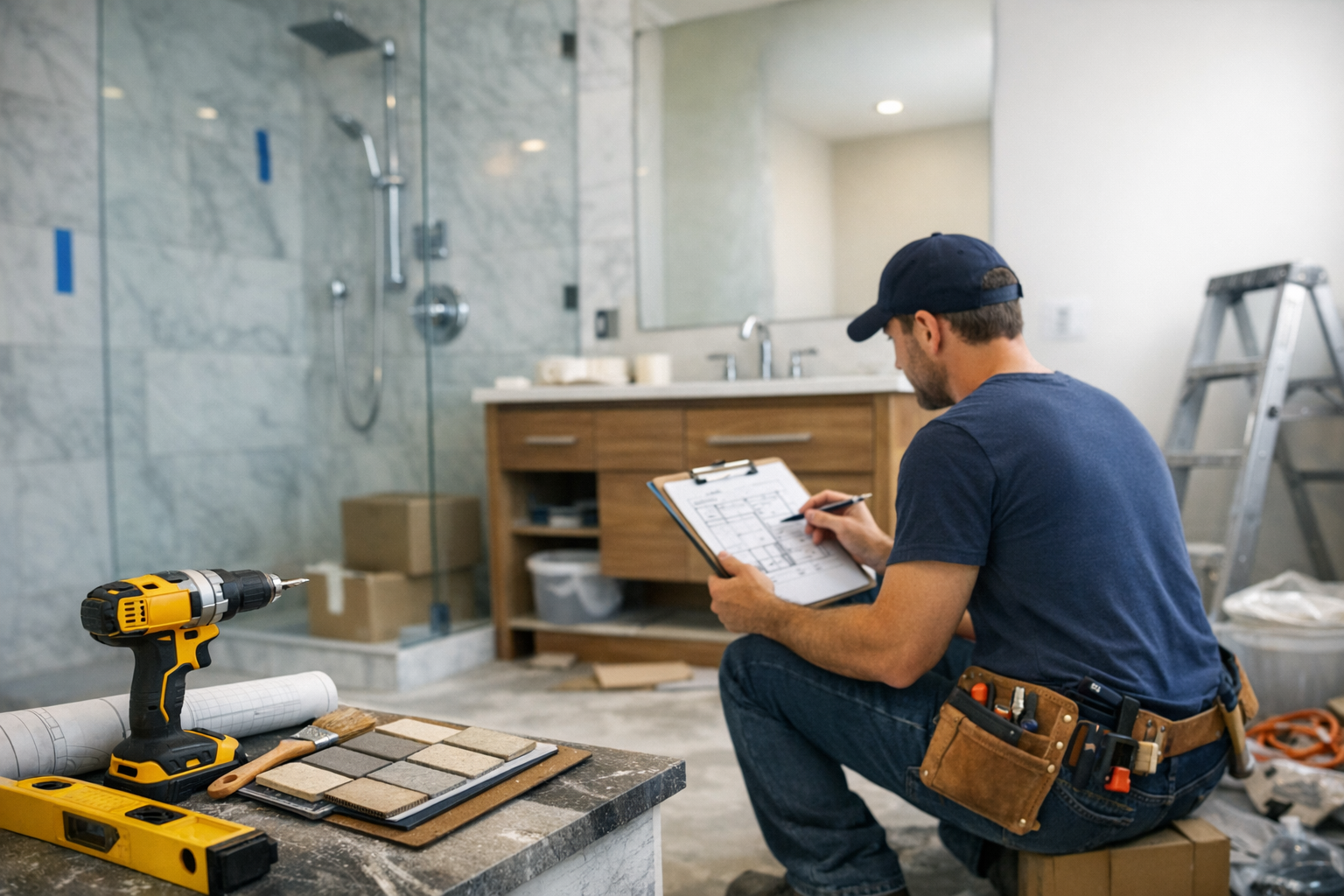
A bathroom renovation usually begins with planning and design. This stage includes choosing the layout, selecting materials, setting a budget, and finalizing the scope of work. Once everything is approved, the contractor typically schedules demolition, rough-in plumbing or electrical work, and inspections if required.
After that, the room is rebuilt piece by piece. Walls are repaired, flooring is installed, tile is set, fixtures are mounted, and finishing touches are completed. Depending on the size and complexity of the project, the renovation may take anywhere from a couple of weeks to several months.
Homeowners should expect some disruption during the process. Dust, noise, and limited bathroom access are common. A good contractor will communicate progress regularly and keep you informed about any changes to the schedule.
How to Set a Realistic Budget
Bathroom renovations can vary widely in cost depending on the size of the room, the quality of materials, and the extent of the changes. A cosmetic update with new fixtures and paint will cost far less than a full gut renovation with custom tile, premium lighting, and layout changes.
To create a realistic budget, decide which upgrades are most important to you. Focus on high-impact improvements such as better storage, modern lighting, durable flooring, and improved ventilation. It is also wise to set aside a contingency fund for unexpected issues, especially in older bathrooms where hidden water damage or outdated plumbing may be uncovered.
Your contractor should help you understand where your money will have the greatest impact and suggest ways to stay within budget without sacrificing quality.
Common Mistakes to Avoid
One of the biggest mistakes homeowners make is choosing a contractor based only on price. While affordability matters, quality workmanship and clear communication are just as important. A poorly executed renovation can lead to expensive repairs later.
Another mistake is skipping the written agreement. A detailed contract should outline the scope of work, materials, payment schedule, timeline, and warranty information. This protects both you and the contractor and helps avoid misunderstandings.
It is also important not to rush decisions on finishes or layout. Taking time to plan ahead can prevent delays and ensure the final bathroom feels cohesive, functional, and tailored to your needs.
Conclusion
Bathroom renovation contractors play a central role in creating a bathroom that is attractive, durable, and built to suit your daily routine. By choosing an experienced specialist, asking the right questions, and setting a clear budget, you can make the renovation process smoother and more rewarding. With the right contractor, your bathroom upgrade can become one of the most valuable improvements you make to your home.