Structural Damage Repair Services: What Homeowners Need to Know
Introduction
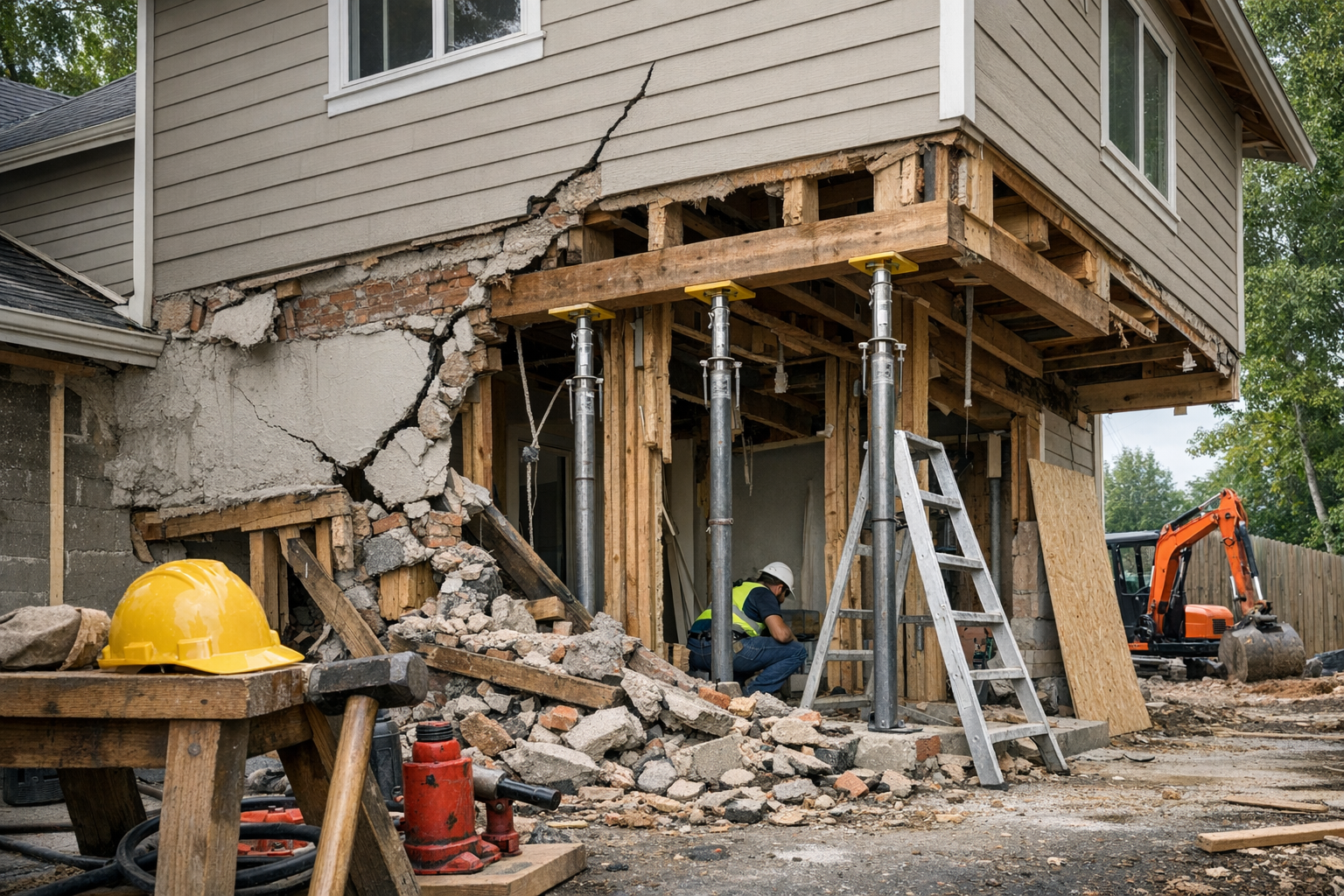
Structural damage can threaten the safety, stability, and long-term value of a property. Whether caused by water intrusion, foundation movement, storm impact, pests, or aging materials, these issues should never be ignored. Structural damage repair services help restore strength to a building and prevent problems from spreading. Understanding the signs, causes, and repair process can help homeowners act quickly and protect their investment.
What Is Structural Damage?
Structural damage refers to harm that affects the load-bearing parts of a building. These are the components that support the roof, walls, floors, and foundation. When these elements are compromised, the integrity of the entire structure may be at risk.
Common examples include foundation cracks, sagging floors, bowed walls, roof framing issues, and damaged support beams. While cosmetic issues may affect appearance, structural damage affects safety and function, making professional assessment essential.
Common Causes of Structural Damage
Water and Moisture
Water is one of the biggest threats to a building’s structure. Leaks, poor drainage, flooding, and high humidity can weaken wood, corrode metal, and erode soil around the foundation. Over time, this can lead to settlement, rot, and cracking.
Foundation Settlement
When soil beneath a foundation shifts or compacts unevenly, the building may settle unevenly. This can cause diagonal wall cracks, sticking doors, sloping floors, and gaps around windows or trim.
Storm and Impact Damage
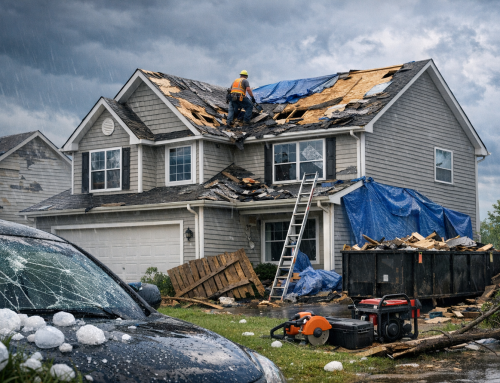
Severe weather, falling trees, vehicle impact, and debris can damage walls, roofs, and support systems. Even if the damage looks localized, the force of impact may have affected hidden structural elements.
Pests and Decay
Termites, carpenter ants, and other wood-destroying pests can weaken framing and support members. Rot caused by prolonged moisture exposure can also reduce the strength of structural wood, especially in basements, crawl spaces, and roof systems.
Aging Materials
Older homes may experience wear and tear in beams, joists, masonry, and foundation materials. As buildings age, regular inspections become increasingly important to catch deterioration before it becomes severe.
Signs You May Need Structural Damage Repair Services
Some warning signs are easy to miss, while others are more obvious. Homeowners should look for:
- Cracks in foundation walls or interior drywall
- Sloping, sagging, or bouncy floors
- Doors and windows that stick or no longer close properly
- Visible gaps between walls, ceilings, or floors
- Bowed, leaning, or bulging walls
- Water stains, mold, or wood rot near structural components
- Uneven rooflines or ceiling cracks
If several of these issues appear at once, the problem may be more than cosmetic. A structural inspection can determine the severity and help identify the best repair approach.
What Structural Damage Repair Services Include
Structural damage repair services are designed to assess, stabilize, and restore affected parts of a building. The exact service depends on the type of damage, but it often includes:
- Detailed structural inspections
- Foundation crack repair or waterproofing
- Beam, joist, or sill plate replacement
- Wall stabilization and reinforcement
- Floor leveling and support correction
- Masonry repair and underpinning
- Damage cleanup and prevention measures
In some cases, repairs are straightforward. In others, they may require engineering recommendations, permits, and multiple phases of work to ensure the structure is fully stabilized.
The Structural Repair Process
Inspection and Assessment
The process usually begins with a professional evaluation. Contractors or structural specialists inspect visible damage, measure movement, and look for the underlying cause. This step is critical because repairing symptoms without fixing the source can lead to repeat problems.
Repair Plan Development
Once the issue is identified, a repair plan is created. This may include timelines, materials, and stabilization methods. For complex damage, an engineer may be involved to confirm the safest solution.
Stabilization
Before major repairs begin, the structure may need temporary support. This can involve braces, jacks, or shoring systems to keep the building safe during the work.
Repair and Restoration
The damaged components are then repaired or replaced. This may include installing new supports, sealing cracks, rebuilding compromised sections, or reinforcing weakened areas. The goal is to restore structural strength and prevent future movement.
Final Inspection
After repairs are complete, a final inspection confirms that the work meets safety standards and that the structure is stable. Homeowners may also receive maintenance recommendations to help protect the repaired area.
Why Professional Repair Matters
Structural issues should be handled by experienced professionals because small mistakes can have serious consequences. A qualified contractor understands how to identify hidden damage, follow local building codes, and choose the correct materials for the job.
Professional repairs also help preserve property value. If structural problems are left unresolved, they can lead to expensive future damage, reduced resale value, and safety concerns for occupants. Prompt action often saves money in the long run.
How to Choose the Right Structural Damage Repair Company
Selecting the right company is just as important as the repair itself. Look for a provider with experience in the specific type of damage affecting your property. Ask about licensing, insurance, references, and whether they work with structural engineers when needed.
It is also wise to request a written estimate and a clear explanation of the repair process. A trustworthy company will be transparent about costs, timelines, and expected results. Avoid contractors who promise quick fixes without a full inspection.
Preventing Future Structural Problems
While not all structural issues can be prevented, regular maintenance goes a long way. Keep gutters clean, direct water away from the foundation, fix leaks promptly, and monitor your home for changes such as new cracks or uneven floors. Routine inspections can catch minor issues before they become major structural concerns.
It is also helpful to maintain proper drainage around the property and manage vegetation near the foundation. Trees and large shrubs can affect soil moisture and sometimes interfere with structural elements if they are planted too close.
Conclusion
Structural damage repair services play a vital role in keeping a home safe, stable, and valuable. By recognizing warning signs early and working with qualified professionals, homeowners can address damage before it becomes more serious. If your property shows signs of structural trouble, timely inspection and repair are the best ways to protect both your home and your peace of mind.