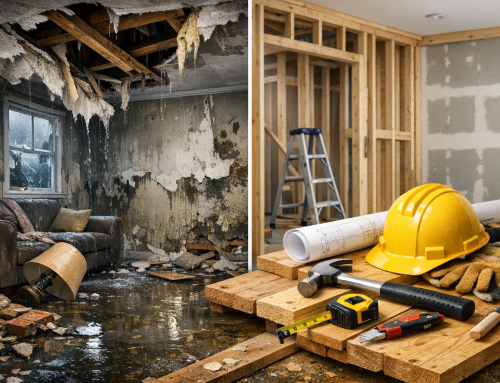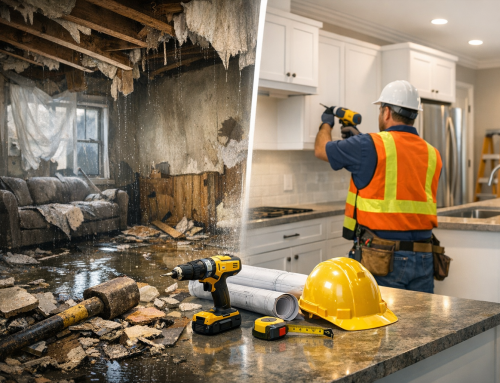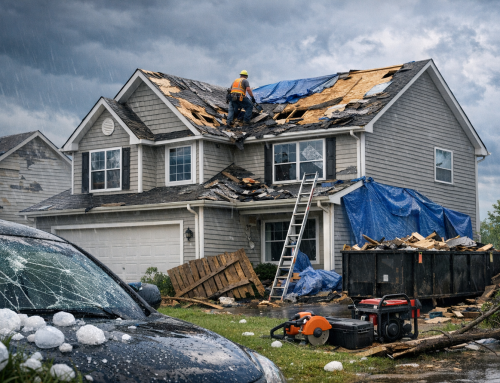
Residential Rebuild After an Insurance Claim: What Homeowners Need to Know
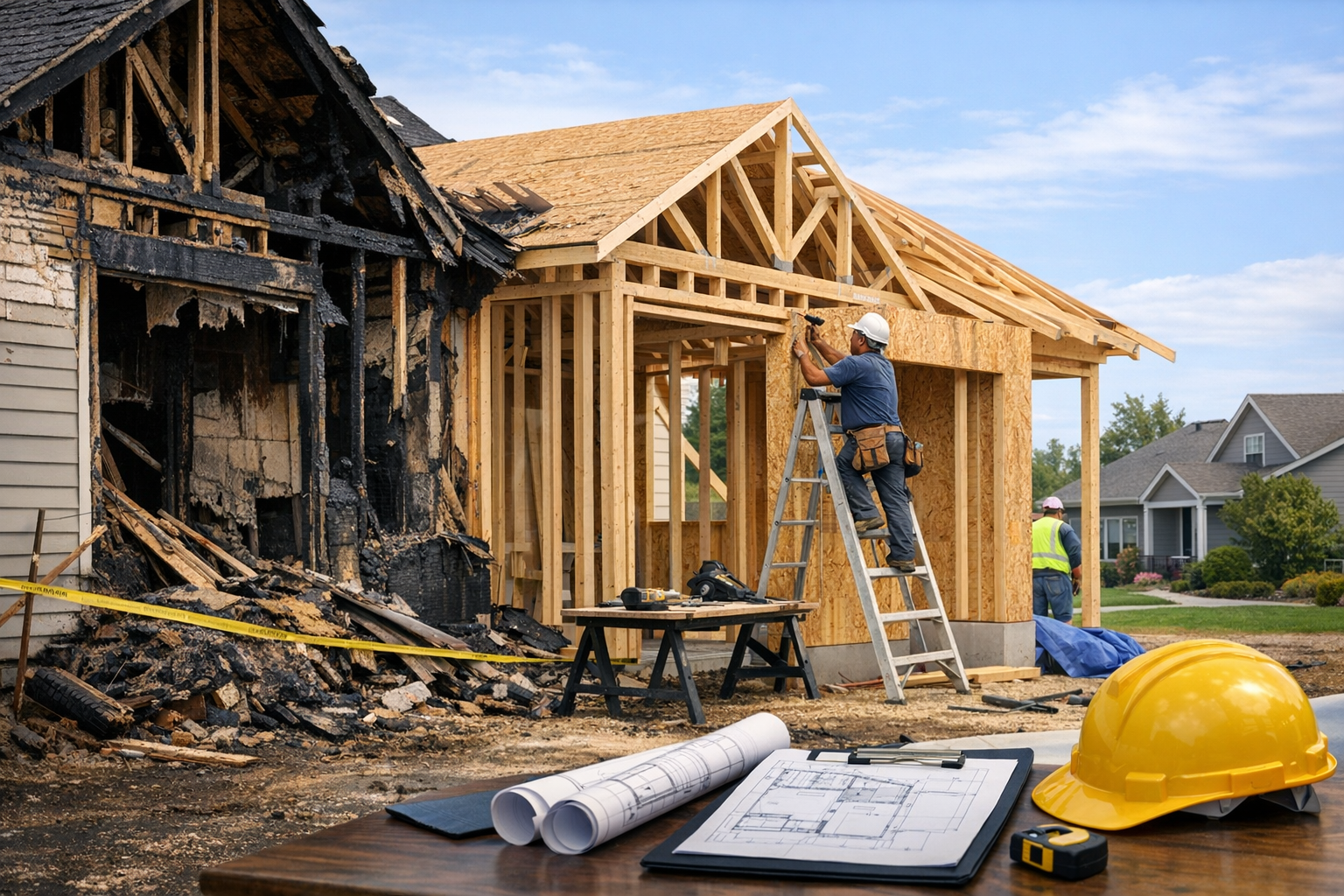
Understanding a Residential Rebuild After an Insurance Claim
When a home is badly damaged, the rebuilding process can feel overwhelming. A residential rebuild after an insurance claim is more than a simple repair job—it often involves restoring structural elements, updating systems, coordinating with insurers, and making important decisions about materials and design. Whether the damage came from fire, storm, water, or another covered event, knowing what to expect can make the process far less stressful.
In many cases, a rebuild is the best opportunity to restore the home to its former condition or even improve it. The key is to move through the claim and construction process carefully, with a clear plan, good documentation, and the right professionals involved.
Start by Reviewing Your Insurance Policy
The first step is understanding exactly what your policy covers. Not all policies are the same, and coverage limits, exclusions, deductibles, and replacement terms can vary widely. Look closely at whether your policy provides actual cash value or replacement cost coverage, since this affects how much money you receive for repairs or rebuilding.
It’s also important to confirm whether temporary housing, debris removal, permit costs, and code upgrades are included. These details can significantly affect your budget and timeline. If anything is unclear, contact your insurance adjuster or agent and ask for a written explanation.
Document the Damage Thoroughly
Before any demolition or cleanup begins, take detailed photos and videos of all visible damage. Make a list of damaged rooms, finishes, appliances, and structural components. Save receipts for emergency repairs, lodging, and any expenses related to the claim.
Strong documentation supports your claim and helps prevent disputes later. If possible, keep copies of prior maintenance records and any home improvement invoices as well. These can help show the condition of the property before the loss.
Work With the Right Professionals
A successful rebuild usually depends on having a reliable team. Your insurance company may send an adjuster, but you may also want to hire your own public adjuster, contractor, or builder to advocate for your interests and provide independent estimates. For major damage, working with a contractor who has experience in insurance-related rebuilds is especially valuable.
Look for professionals who communicate clearly, understand local building codes, and can provide detailed written scopes of work. If the damage is extensive, you may also need engineers, architects, or specialized trades such as electricians, plumbers, or remediation experts.
Get Multiple Estimates
Even if your insurer offers an estimate, it’s smart to compare it with bids from qualified contractors. Differences in labor rates, materials, and project scope can create gaps that may need to be negotiated with the insurance company. Multiple estimates can also help you identify whether the insurer has missed an item or underestimated the true cost of the rebuild.
Choose the contractor based on more than just price. Experience, reputation, licensing, and communication matter just as much when the stakes are high.
Understand the Approval and Payment Process
Once the claim is approved, the insurance payout may be issued in stages rather than all at once. Initial payments often cover emergency mitigation or a portion of the estimated repair cost, while additional funds may be released after work begins or after inspections are completed. If you have a mortgage, your lender may need to endorse the check or oversee the disbursement of funds.
Keep track of every payment and compare it to your contractor’s progress invoices. Staying organized helps avoid delays and ensures the rebuild stays financially on track. If the insurer’s estimate is too low, submit supporting documentation and request a supplement.
Plan the Rebuild Carefully
A residential rebuild after an insurance claim is the perfect time to think through the layout, finishes, and functionality of the home. While you may be limited by your policy’s “like kind and quality” language, there may still be opportunities to improve durability, energy efficiency, and safety. For example, you might choose water-resistant flooring in vulnerable areas, upgraded insulation, or better smoke detection systems.
Be sure to discuss permit requirements, inspection schedules, and lead times for materials early in the process. Delays often happen when special-order items are unavailable or when local approvals take longer than expected.
Prepare for Code and Compliance Issues
Older homes may need additional work to meet current building codes. In some cases, insurance may cover part of these upgrades through ordinance or law coverage, but not always. Understanding what your policy includes can help you avoid surprise expenses.
Ask your contractor to identify code-related items early so they can be included in the estimate and discussed with the insurer before work advances too far.
Stay Involved Throughout Construction
Even if you’ve hired a trusted contractor, it’s important to remain involved. Review the scope of work, ask for progress updates, and walk the property regularly if it is safe to do so. Address any concerns quickly, especially if you notice changes in cost, schedule, or materials.
Keep all communication in writing whenever possible. Emails, change orders, and updated estimates create a clear record and can help resolve disputes if something is questioned later.
Know When to Ask for Help
Insurance rebuilds can become complicated fast, especially when there are hidden structural issues, disputes about coverage, or long delays in payment. If the process becomes too difficult to manage alone, consider getting help from a professional who specializes in insurance claims or loss restoration. Having an advocate can make it easier to secure fair compensation and keep the rebuild moving.
For many homeowners, a rebuild is not just about restoring walls and roofs—it’s about regaining peace of mind and returning to normal life as smoothly as possible.
Conclusion
A residential rebuild after an insurance claim can be a challenging journey, but it becomes much more manageable with preparation, documentation, and the right team. By understanding your policy, staying organized, and planning each phase carefully, you can rebuild your home with confidence and protect your investment along the way.