Reach-In Closet System Solutions: Smart Ideas for a More Organized Home
What Is a Reach-In Closet System?
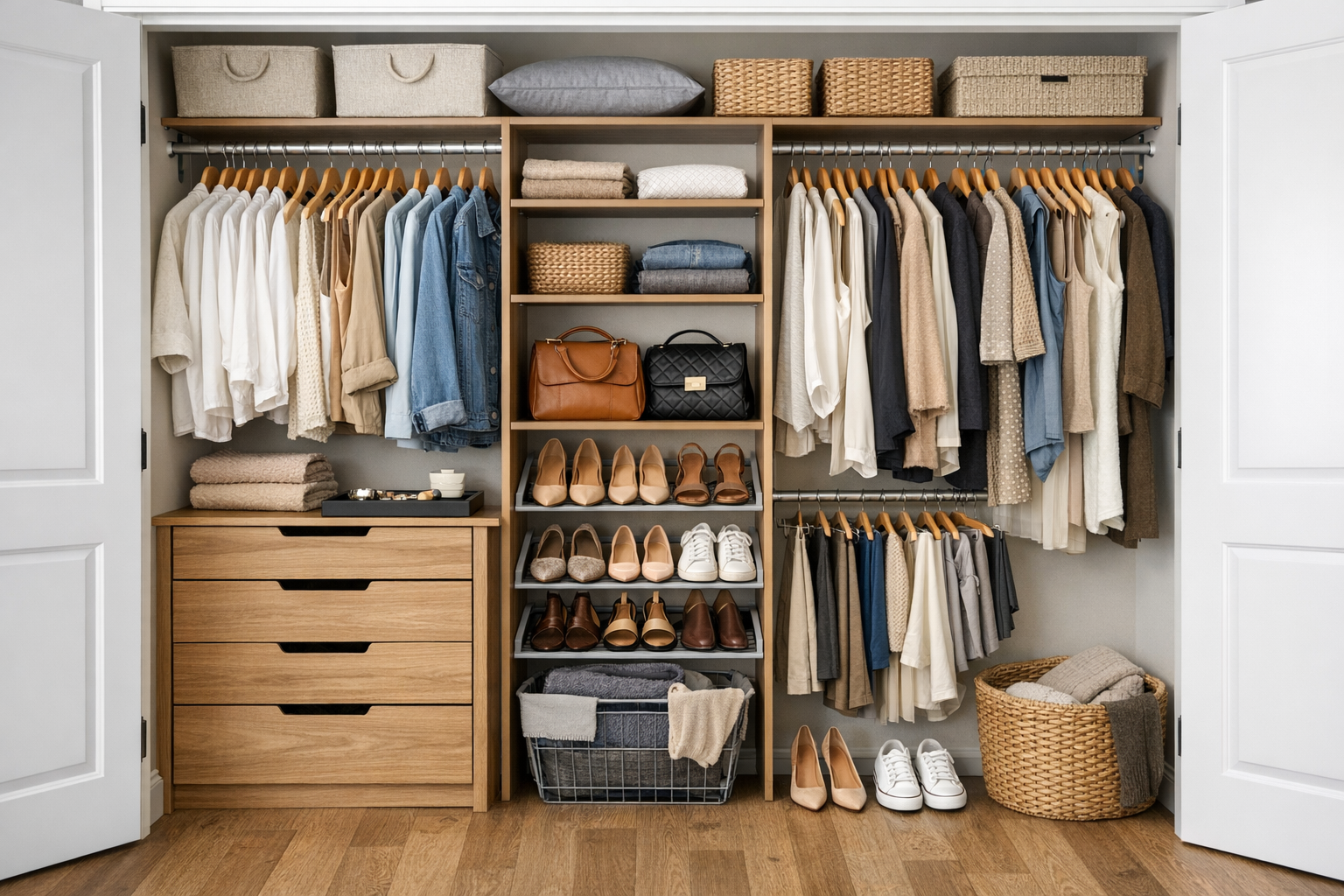
A reach-in closet system is a customized organization setup designed for shallow closets that you access by reaching in from a doorway. Unlike walk-in closets, reach-in closets typically have limited depth, so the right layout matters. A well-planned system makes the most of every inch by combining hanging space, shelving, drawers, and accessories that fit the closet’s dimensions and your storage needs.
The best reach-in closet system solutions turn cramped, cluttered spaces into efficient storage zones. Whether you’re organizing a bedroom, hallway, entryway, or guest room closet, the goal is the same: create easy access, improve visibility, and keep everyday items neatly arranged.
Why Reach-In Closet System Solutions Matter
Small closets can quickly become frustrating when items are stacked too tightly or hidden behind one another. A thoughtful system helps solve common issues like wasted vertical space, overcrowded rods, and hard-to-find items. It also makes daily routines faster because everything has a defined place.
Reach-in closet system solutions are especially valuable for families, apartment dwellers, and homeowners who want to maximize storage without remodeling. With the right design, even a narrow closet can store clothing, shoes, accessories, linens, or seasonal items in a clean and functional way.
Popular Types of Reach-In Closet System Solutions
Single Rod and Shelf Systems
This is one of the simplest closet layouts, often found in standard builder-grade closets. A single hanging rod with a shelf above offers a basic but functional starting point. It works well for coats, dresses, and longer garments, but it may leave a lot of unused space below the rod.
Double Hanging Systems
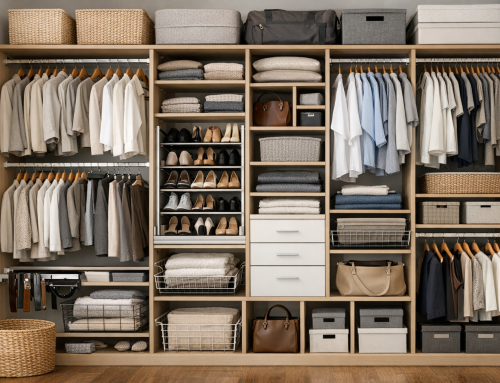
Double hanging systems are one of the most efficient reach-in closet system solutions for clothes storage. By splitting the closet vertically into two hanging sections, you can double the amount of hanging space for shirts, blouses, pants, and folded items. This layout is especially effective in bedrooms and kids’ closets.
Shelving-Based Systems
For closets that store linens, shoes, sweaters, or accessories, shelving-based systems can be a smart choice. Adjustable shelves allow you to change the layout as your needs evolve. They also make it easier to see and grab stored items without digging through piles.
Drawer and Accessory Systems
Adding drawers, bins, pull-out baskets, or accessory organizers can make a reach-in closet feel much more polished and practical. These features help contain smaller items like socks, belts, scarves, and jewelry. They also reduce visual clutter and keep everything easier to maintain.
How to Choose the Right Reach-In Closet System
The best closet system depends on how the space is used. Start by identifying what you need to store most often. A clothing-focused closet may benefit from double hanging and a few shelves, while a shared family closet might need more drawers, cubbies, or labeled bins.
It’s also important to measure the closet carefully before choosing components. Consider width, depth, ceiling height, door clearance, and any obstacles such as vents or trim. A good reach-in closet system solution should fit the space without making it feel crowded or difficult to use.
Another key consideration is flexibility. Adjustable systems can be reconfigured as storage needs change over time, which is helpful for growing families, seasonal wardrobes, or multipurpose closets.
Design Tips for Making the Most of a Reach-In Closet
Use Vertical Space
One of the biggest mistakes in small closets is ignoring the upper and lower areas. Tall shelving, stacked storage, and overhead compartments help take advantage of vertical space. If the closet ceiling is high, consider adding a top shelf for items used less frequently.
Choose Slim, Matching Hangers
Bulky hangers can consume valuable room in a reach-in closet. Slim, uniform hangers create a cleaner look and free up space on the rod. They also help garments hang evenly, which improves visibility and makes the closet feel less crowded.
Keep Frequently Used Items at Eye Level
Place everyday items where they are easiest to reach. Shirts, work clothing, bags, and shoes should be stored at a comfortable height so they can be accessed quickly. Less-used seasonal items can go higher or lower in the closet.
Incorporate Lighting
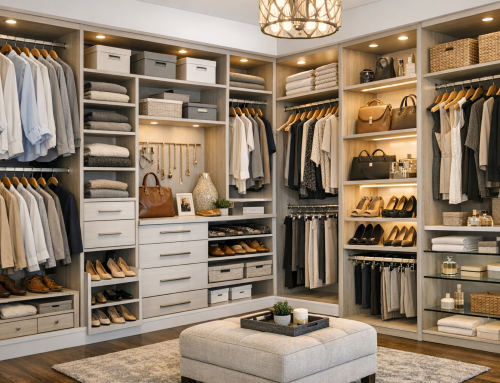
Good lighting can make a major difference in a reach-in closet, especially if it has no window. LED strip lights, puck lights, or motion-activated lighting improve visibility and help the space feel more inviting. Better lighting also makes it easier to keep the closet organized long term.
Custom vs. Prefabricated Closet Systems
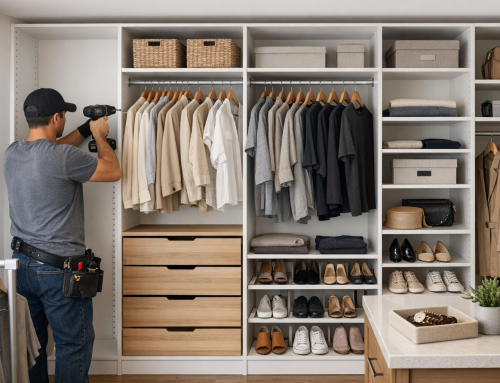
Homeowners often choose between custom and prefabricated reach-in closet system solutions. Prefabricated systems are generally more affordable and easier to install. They work well for standard closet sizes and straightforward storage needs.
Custom systems, on the other hand, are designed to fit the exact dimensions of the closet. They offer more flexibility, better use of awkward spaces, and a more polished appearance. If your closet has unusual measurements or you want a high-end finish, custom may be the better investment.
Both options can deliver excellent results. The right choice depends on your budget, style preferences, and how much storage performance you want from the space.
Common Mistakes to Avoid
When planning a closet upgrade, it’s easy to focus only on appearance and forget usability. One common mistake is adding too many features and making the closet feel cramped. Another is failing to leave enough room for doors, drawers, or hanging garments.
It’s also important not to overestimate how much storage you need in one area. A balanced design usually works better than trying to fit every possible accessory into a small space. Finally, choosing low-quality materials can lead to sagging shelves, weak hardware, and a system that doesn’t hold up over time.
Conclusion
Reach-in closet system solutions can transform a small, overlooked space into one of the most useful parts of your home. By choosing the right mix of hanging rods, shelves, drawers, and accessories, you can create a closet that is practical, attractive, and easy to maintain. With smart planning and a design that fits your routine, even the smallest closet can work beautifully.