Professional Property Restoration Services: What They Do and Why They Matter
What Professional Property Restoration Services Include
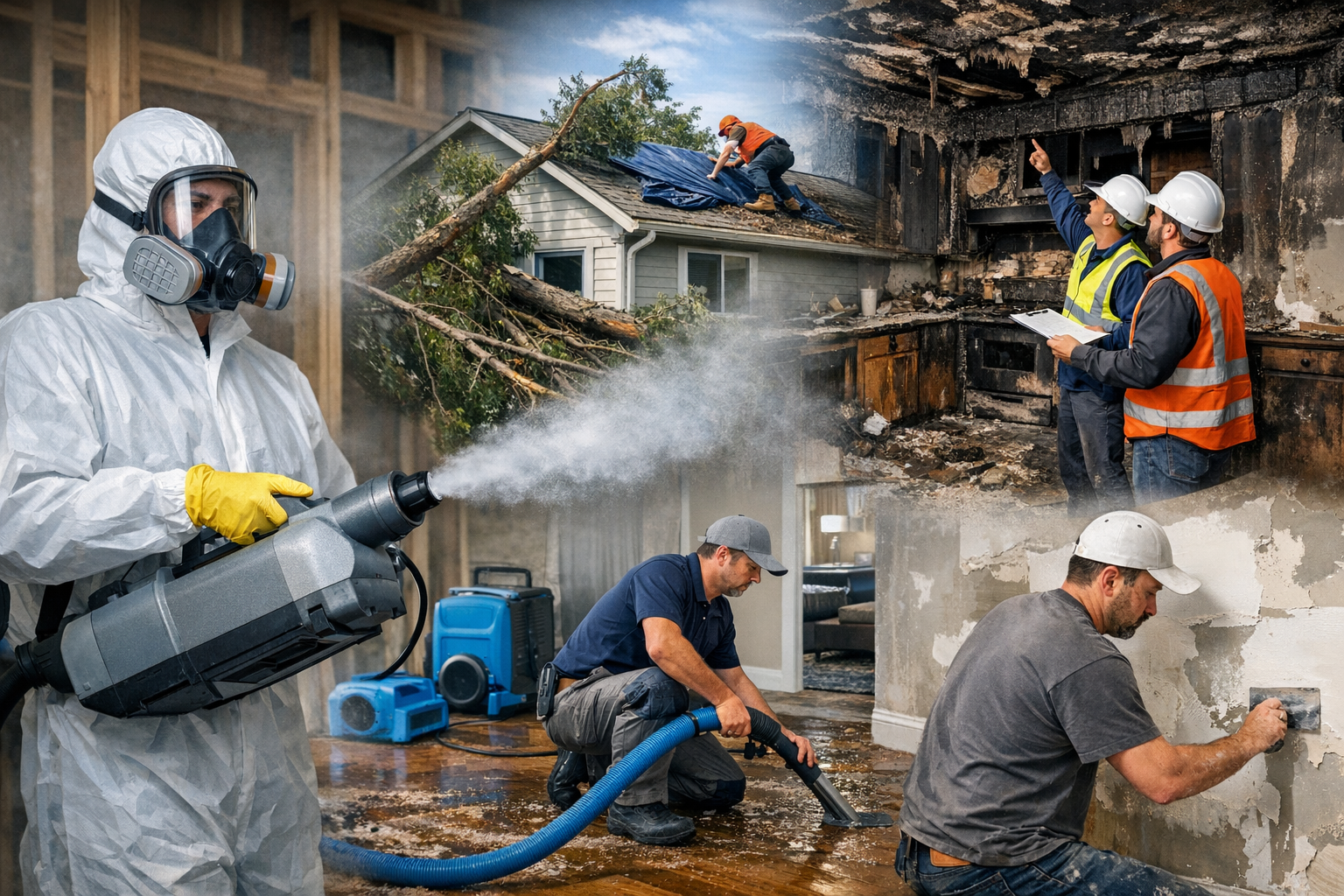
Professional property restoration services help return a home or commercial building to a safe, functional, and livable condition after damage. Whether the issue comes from water, fire, smoke, mold, storms, or other unexpected events, restoration specialists use a structured process to assess the damage, stabilize the property, and carry out the repairs needed to bring it back to pre-loss condition.
These services go far beyond basic cleaning or cosmetic fixes. A qualified restoration team typically handles emergency response, damage assessment, water extraction, drying, smoke and soot removal, mold remediation, structural repairs, odor removal, and coordination with insurance providers. The goal is not only to repair visible damage, but also to address hidden issues that could compromise the building’s safety or lead to future problems.
Because every restoration project is different, professionals tailor their approach to the type and extent of damage. A small kitchen fire may require cleaning, deodorizing, and repainting, while a major flood could involve demolition, drying, sanitizing, and reconstruction. In both cases, the right team can reduce stress, shorten downtime, and help property owners make informed decisions during a difficult time.
Common Types of Property Damage They Handle
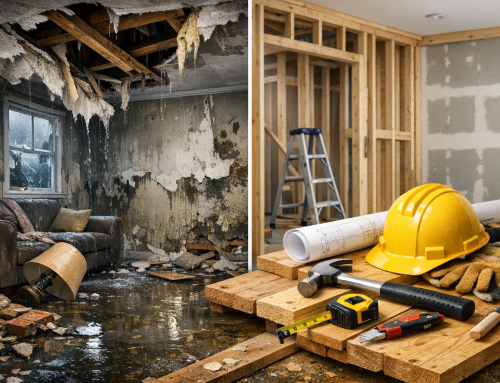
Property restoration companies are trained to respond to a wide range of emergencies. One of the most common is water damage, which can result from burst pipes, overflowing appliances, roof leaks, or severe weather. Water damage is especially urgent because moisture can spread quickly through flooring, drywall, insulation, and framing, creating the ideal environment for mold growth.
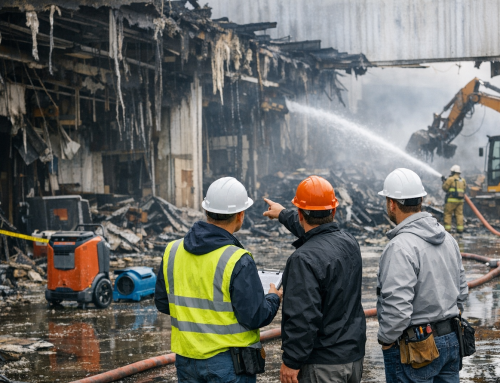
Fire and smoke damage is another major area of expertise. Even after flames are extinguished, a property may be left with soot, odor, structural weakening, and damage from firefighting efforts. Restoration professionals clean affected surfaces, remove damaged materials, deodorize the space, and repair structural elements as needed.
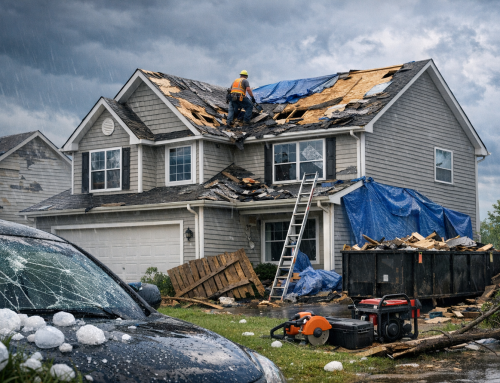
Mold remediation is often necessary after water intrusion or prolonged humidity. Mold can affect air quality and cause health concerns, so proper containment, removal, and prevention measures are essential. Storm damage, including roof damage, broken windows, flooding, and debris impact, also falls within the scope of restoration services. In some cases, restoration teams also assist after vandalism, accidental damage, or other unexpected events that disrupt a property’s condition.
Why Hiring a Professional Matters
Attempting to handle major property damage without professional help can lead to costly mistakes. What appears to be a surface-level issue may actually hide deeper structural or moisture-related damage. For example, water trapped behind walls or under flooring can continue to deteriorate materials long after the visible signs disappear. Likewise, smoke residue can settle into HVAC systems and porous materials, spreading odors throughout the property if not removed correctly.
Professionals have the training, tools, and experience to identify problems early and apply the right restoration methods. They use specialized equipment such as industrial dehumidifiers, air movers, moisture meters, HEPA vacuums, and thermal imaging tools to detect damage and accelerate recovery. This helps prevent secondary issues like mold, rot, corrosion, and lingering contamination.
Another important advantage is safety. Restoration work can involve exposed wiring, unstable ceilings, contaminated water, mold spores, and hazardous debris. A trained team knows how to work safely in these environments while protecting the property and the people involved. For business owners, professional restoration can also reduce downtime and help resume normal operations more quickly.
The Property Restoration Process
Assessment and Inspection
The restoration process usually begins with a thorough inspection. Technicians evaluate the extent of the damage, identify safety risks, and determine what can be repaired versus what must be removed. This step often includes documenting the damage for insurance purposes and creating a plan of action tailored to the property.
Mitigation and Cleanup
Next comes mitigation, which focuses on preventing the damage from getting worse. This may include water extraction, board-up services, tarping damaged roofs, removing debris, or isolating contaminated areas. Cleanup follows, and may involve removing unsalvageable materials, cleaning affected surfaces, disinfecting impacted spaces, and addressing odors or residues.
Drying, Repairs, and Reconstruction
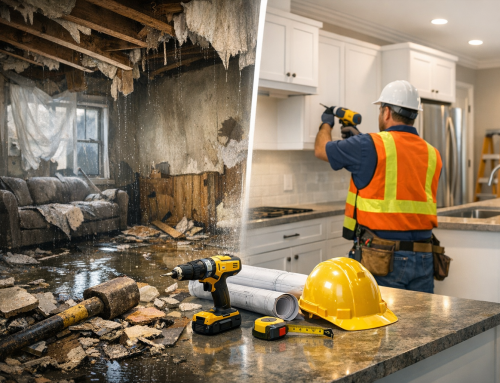
Once the property is stabilized, technicians dry remaining moisture and monitor the affected areas to ensure they are fully restored to safe levels. After that, repair and reconstruction work begins. This can include replacing drywall, flooring, insulation, cabinetry, trim, and other structural or cosmetic components. The final goal is to restore the property so it is safe, clean, and ready for use again.
How to Choose the Right Restoration Company
Choosing the right property restoration company can make a significant difference in the outcome of the project. Start by looking for a provider with proven experience in the specific type of damage your property has suffered. Not every company specializes in every kind of restoration, so it is important to confirm that they handle water, fire, mold, storm, or reconstruction work as needed.
Availability matters as well. Damage can worsen quickly, so a company that offers 24/7 emergency response is often the best choice. You should also ask whether the technicians are trained, licensed, and insured, and whether they follow recognized industry standards. Clear communication is another key factor. A trustworthy company will explain the process, provide a realistic timeline, and keep you informed as work progresses.
Finally, consider how the company handles documentation and insurance support. Restoration projects often involve claims, estimates, photographs, and detailed reports. A team that can coordinate with your insurer and help organize the paperwork can save time and reduce frustration during an already stressful situation.
Conclusion
Professional property restoration services play a vital role in helping homeowners and business owners recover from unexpected damage. From emergency mitigation to final reconstruction, these experts bring the knowledge, equipment, and efficiency needed to restore safety and peace of mind. When damage strikes, working with a trusted restoration company can make the recovery process faster, smoother, and far less overwhelming.