Insurance Restoration Project Management: A Practical Guide

When a home or business is damaged by fire, water, wind, or another covered event, restoration involves much more than repairing what is visible. Owners may need to coordinate with an insurance company, restoration contractors, inspectors, and occupants—all while trying to limit further damage and return to normal. Insurance restoration project management brings these moving parts together through clear planning, documentation, communication, and quality control.
Whether you are a property owner or a professional overseeing a restoration, understanding the process can help reduce delays, prevent avoidable costs, and keep work aligned with the property’s needs and the policy’s requirements.
What Is Insurance Restoration Project Management?
Insurance restoration project management is the coordination of repairs after property damage, from the first inspection through final completion. A project manager helps organize the work, track decisions, communicate with stakeholders, and monitor schedule, budget, safety, and workmanship.
The manager may work for a restoration company, a general contractor, a property owner, or another project partner. Their role is not to determine whether a claim is covered. Coverage decisions belong to the insurer and are governed by the policy. Instead, effective management helps ensure that damage is assessed accurately and that approved work is completed in an orderly, documented way.
Key Stages of an Insurance Restoration Project
1. Make the Property Safe and Limit Further Damage
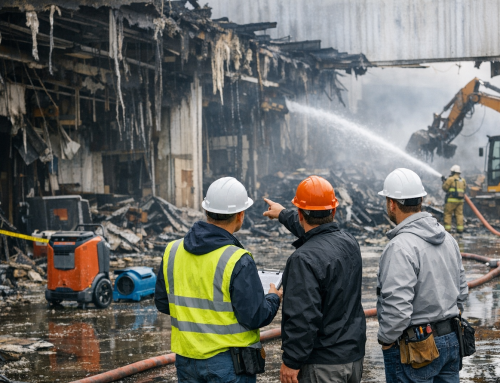
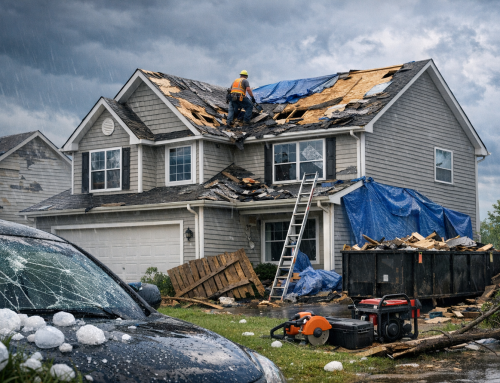
After an incident, safety comes first. Depending on the damage, occupants may need to avoid unstable areas, shut off utilities, or wait for qualified professionals to assess the site. Emergency mitigation can include water extraction, temporary board-up, roof tarping, or drying equipment.
Prompt action may help reduce secondary damage, such as mold growth or further water intrusion. Keep records of emergency work, expenses, and conditions before and after mitigation. Do not put yourself at risk to document damage; use qualified professionals when a site may be unsafe.
2. Inspect and Document the Damage
A detailed inspection establishes the scope of visible damage and identifies areas that may require further investigation. Photos, videos, measurements, moisture readings, and written notes can create a useful record. Keep copies of contractor assessments, invoices, receipts, and communications with the insurer.
Good documentation should be organized by date and location. It can help the project team explain why particular work is needed and compare the original condition with completed repairs. Hidden damage may only become apparent during demolition, so the process should allow for updated documentation when new conditions are discovered.
3. Establish the Scope, Budget, and Schedule
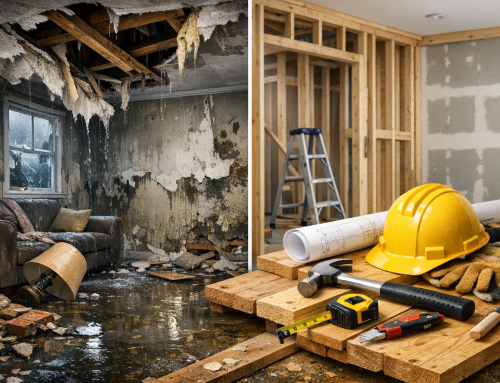
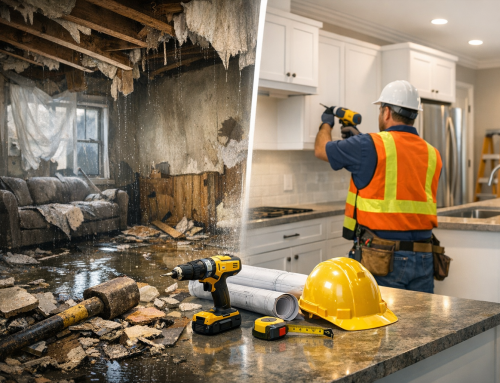
Once the damage is assessed, the project team develops a repair scope and sequence. This may include demolition, drying, structural repairs, electrical or plumbing work, reconstruction, and finishing. The scope should be specific enough to guide estimates and construction while remaining flexible enough to address legitimate discoveries behind walls or under flooring.
Compare the contractor’s proposed work with the insurer’s estimate and ask questions about differences. A clear estimate identifies tasks, materials, quantities, and assumptions. The project manager can track approved work, owner-requested upgrades, and potential changes separately. This helps prevent confusion about what is included in the claim and what may be an additional expense.
Build a realistic schedule that accounts for inspections, permits, material lead times, specialist availability, and the property’s occupancy needs. Restoration work may uncover delays that cannot be predicted at the outset. Regular schedule updates help owners and occupants plan around disruptions.
4. Coordinate Contractors and Communicate Clearly
Restoration can involve several trades, including mitigation teams, electricians, plumbers, roofers, carpenters, and finish specialists. The project manager coordinates their work so that tasks happen in the right order and completed work is not damaged by later activities.
Agree on a communication routine early. A weekly update, for example, can summarize completed work, upcoming tasks, open decisions, schedule changes, and items awaiting insurer review. Record important approvals and instructions in writing. When a new issue arises, share the relevant documentation promptly with the appropriate parties rather than relying on verbal updates alone.
Managing Changes, Costs, and Insurance Coordination
Changes are common in restoration projects. Opening a wall may reveal damaged wiring, or removing flooring may expose a subfloor problem. Before proceeding with non-emergency additional work, document the condition, obtain an itemized proposal, and clarify who must review or approve it. Keep change orders distinct from the original scope and note any effect on cost or schedule.
Maintain a central file containing estimates, policy and claim correspondence, permits, inspection reports, invoices, photographs, change orders, and completion documents. A simple log of dates, contacts, questions, and decisions can be invaluable if details are disputed or need to be revisited. Owners should contact their insurer or adjuster with coverage questions and check their policy for applicable duties, limits, and requirements.
Safety, Quality Control, and Final Inspection
Safety must remain a priority throughout the project, not just during initial mitigation. Work areas should be controlled, hazards addressed by qualified professionals, and any required permits or inspections completed. Depending on the property and damage, specialized procedures may be needed for issues such as contaminated water or suspected hazardous materials.
Quality checks should happen at key milestones, including after mitigation, before areas are closed up, and during final completion. Verify that materials and finishes match the agreed scope, systems operate as expected, and required inspections have passed. Before signing off, walk through the property and create a written punch list of incomplete or deficient items. Keep warranties, manuals, permits, and final invoices with the project records.
Common Challenges—and How to Reduce Them
Unclear scopes, slow decisions, missed documentation, and unrealistic timelines can all complicate restoration. Owners can reduce these risks by asking for itemized proposals, responding to requests promptly, keeping a single organized record, and confirming changes in writing. Project managers can help by identifying dependencies early, setting expectations about uncertainty, and escalating unresolved questions before they stop work.
It is also important to separate claim administration from construction management. A contractor can explain repair needs and provide supporting information, but the insurer determines coverage under the policy. Clear, respectful communication among the owner, contractor, and insurer helps each party understand its role.
Conclusion
Insurance restoration project management turns a stressful repair effort into a structured process. With careful documentation, realistic planning, coordinated trades, and consistent quality checks, property owners can make informed decisions and keep work moving toward a safe, complete restoration.