Turnkey Restoration Buildback Solutions: A Faster, Smarter Path to Recovery
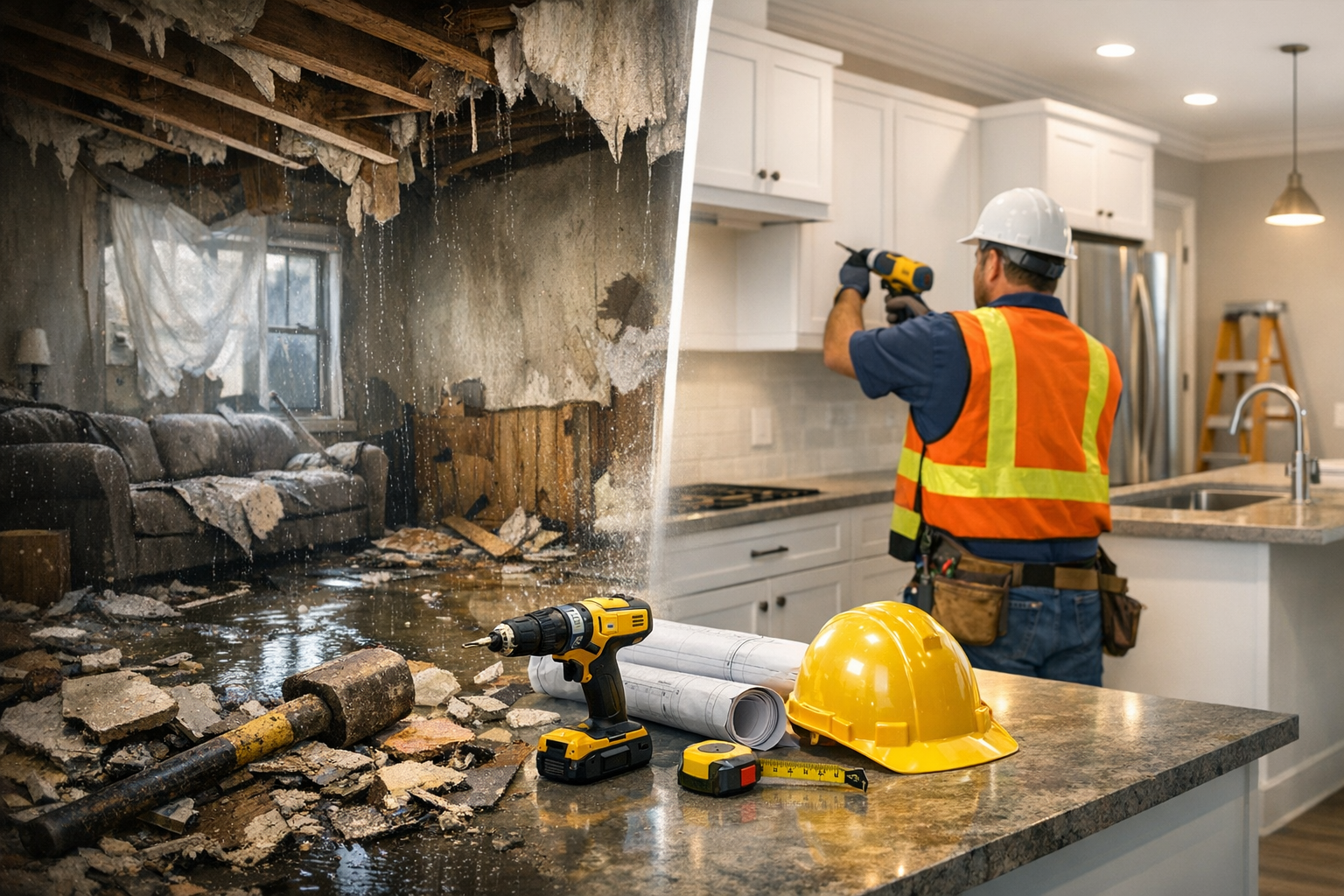
When a property is damaged by fire, water, storm, or another disaster, the restoration process can feel overwhelming. Beyond cleanup and mitigation, owners also have to think about repairs, finishes, permits, scheduling, and getting the property fully usable again. That is where turnkey restoration buildback solutions make a major difference.
Instead of juggling multiple contractors and managing every detail yourself, a turnkey approach streamlines the entire recovery process. From initial damage assessment through final reconstruction, one coordinated team handles the project from start to finish. The result is often faster completion, less stress, and a smoother return to normal.
What Are Turnkey Restoration Buildback Solutions?
Turnkey restoration buildback solutions refer to a full-service approach that includes both restoration and reconstruction after a property loss. “Restoration” typically covers emergency services, cleanup, drying, demolition, and mitigation. “Buildback” is the repair and rebuilding phase that returns the property to its pre-loss condition or better.
In a turnkey model, the same provider or closely coordinated team manages every stage. That means the project does not stall between cleanup and reconstruction, and property owners do not have to coordinate separate vendors for each step. The process is designed to be efficient, organized, and accountable.
Why a Turnkey Approach Matters
After a property disaster, time is critical. Delays can lead to further damage, extended business interruption, tenant frustration, or prolonged displacement for families. A turnkey solution reduces those risks by creating a single point of responsibility.
With one team overseeing the project, communication becomes simpler and problems are easier to resolve. There is less confusion about who is handling which task, and fewer chances for scheduling gaps between mitigation and buildback. For owners, insurers, and property managers, that streamlined approach can make a difficult situation far more manageable.
Faster Project Completion
One of the biggest advantages of turnkey restoration buildback solutions is speed. Because the same team can transition from mitigation to reconstruction, there is less downtime between phases. Materials can be ordered earlier, scopes can be finalized more efficiently, and work can begin as soon as the site is ready.
This is especially important for commercial properties where every additional day of closure affects revenue. It also helps residential owners get back into their homes sooner, minimizing disruption to daily life.
Better Coordination and Accountability
When multiple contractors are involved, communication breakdowns can slow the project and create costly mistakes. A turnkey model reduces those issues by centralizing management. The restoration provider is responsible for sequencing the work correctly, coordinating trades, and keeping the project moving forward.
That accountability is valuable for quality control as well. The team that handles demolition and mitigation understands the condition of the property from the start, which helps them plan the buildback more accurately and avoid surprises later.
What Is Included in Buildback Services?
Buildback services can vary depending on the type and extent of damage, but they generally cover all reconstruction needed to restore the property. This may include drywall installation, framing repairs, painting, flooring, cabinetry, electrical work, plumbing, HVAC repairs, and finish carpentry. In many cases, the goal is to restore the space to its original condition.
For larger losses, buildback may also involve layout changes, upgraded materials, or code-compliance improvements. A strong restoration partner will help property owners understand the scope, timeline, and budget before reconstruction begins.
Residential Buildback
For homeowners, buildback services often include repairing damaged rooms, replacing flooring, repainting walls, restoring kitchens or bathrooms, and reinstalling fixtures. The objective is not just to repair visible damage, but to make the home safe, comfortable, and fully functional again.
A turnkey solution is especially helpful when family routines have been disrupted. Having one team manage the work can reduce the stress of coordinating electricians, painters, and carpenters individually.
Commercial Buildback
Commercial properties often require more complex buildback services because they must meet operational needs, safety codes, and sometimes tenant expectations. Offices, retail spaces, restaurants, and multifamily buildings may all require specialized reconstruction after a loss.
Turnkey restoration buildback solutions help businesses reopen sooner by managing reconstruction in a way that aligns with operational goals. A good provider will understand how to minimize interruption while maintaining quality and compliance.
How the Turnkey Restoration Process Works
The process usually begins with an assessment of the damage and an estimate for both restoration and buildback. Once the scope is approved, mitigation services may include emergency board-up, water extraction, drying, smoke removal, or debris cleanup. These steps prepare the property for reconstruction.
After demolition and stabilization, the buildback phase begins. This may involve structural repairs, installation of new materials, and finishing work. Throughout the project, the restoration team coordinates trades, monitors progress, and communicates updates to the property owner or insurer.
Because the workflow is integrated, the project can move from one phase to the next without unnecessary delays. That continuity is one of the main reasons property owners choose a turnkey provider.
Benefits for Property Owners and Insurance Claims
Turnkey restoration buildback solutions can also simplify insurance-related repairs. Since the provider handles both the damage mitigation and reconstruction, the documentation is often more consistent. Photos, estimates, scope details, and progress records are easier to organize when one company oversees the full project.
That can help reduce back-and-forth during the claims process and make it easier to align the repair scope with the policy requirements. While every claim is different, clear communication and detailed records are always an advantage.
Reduced Stress During a Difficult Time
Property damage is disruptive enough without having to manage several different contractors. A turnkey approach reduces the burden on owners by simplifying decision-making and eliminating much of the coordination work. Instead of overseeing the process themselves, they can rely on a single trusted partner.
This peace of mind is often just as valuable as the repair work itself. Knowing the project is being handled from start to finish can make recovery feel far less chaotic.
Choosing the Right Turnkey Restoration Partner
Not all providers offer the same level of service, so it is important to choose a team with proven experience in both restoration and reconstruction. Look for a company that communicates clearly, provides detailed estimates, understands insurance processes, and has the trades needed to complete buildback efficiently.
It is also wise to ask about project timelines, quality control, licensing, and how updates will be shared throughout the job. The right partner should be able to explain the process in plain language and help you feel confident from the start.
Conclusion
Turnkey restoration buildback solutions offer a practical, efficient way to recover after property damage. By combining cleanup, mitigation, and reconstruction under one coordinated plan, they help reduce delays, simplify communication, and get properties back to normal faster. For homeowners, business owners, and property managers alike, a turnkey approach can make a stressful situation much easier to navigate.