Custom Design-Build Solutions: A Smarter Way to Bring Projects to Life
What Are Custom Design-Build Solutions?
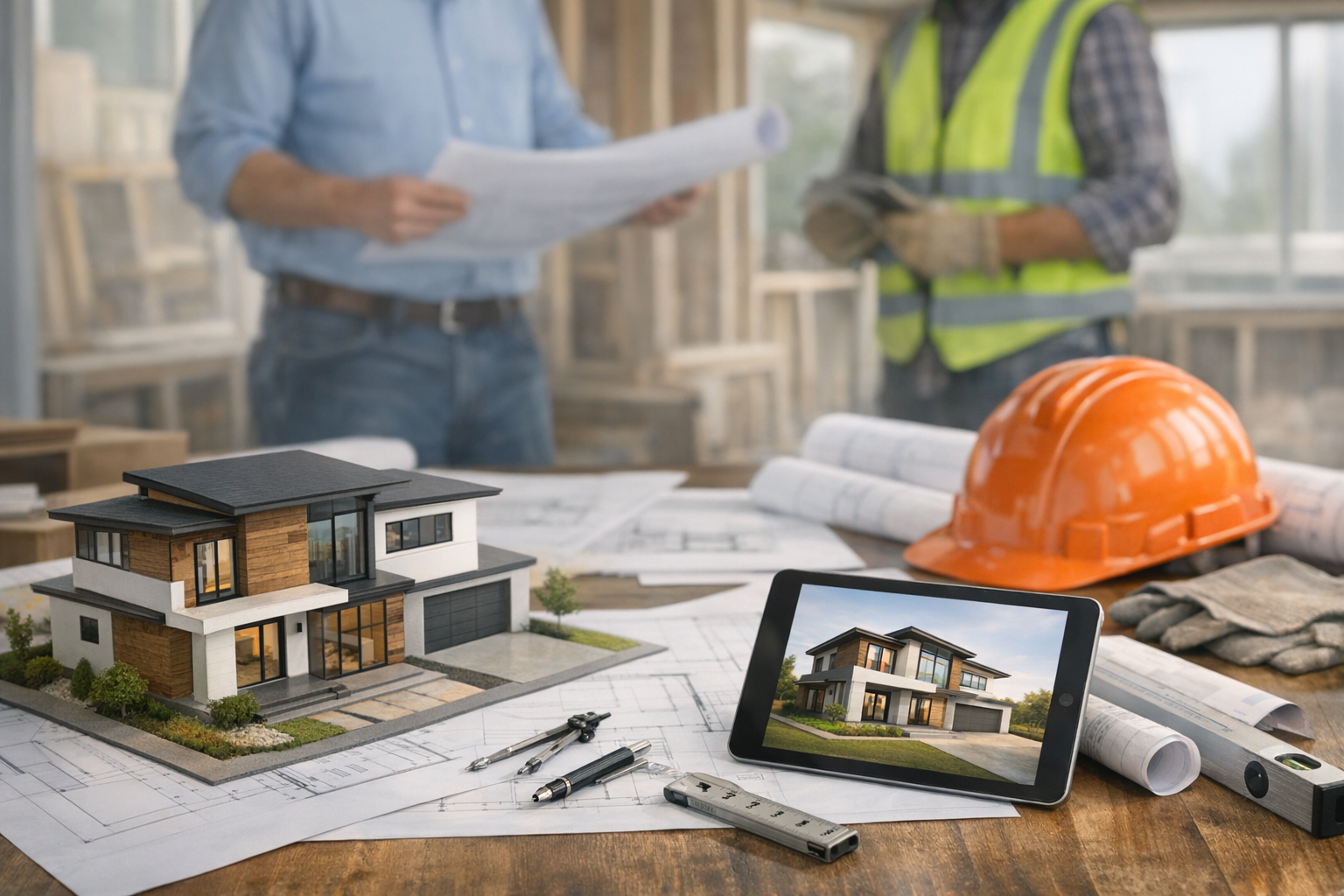
Custom design-build solutions combine design, planning, and construction under one coordinated approach. Instead of hiring separate teams for architecture, engineering, and building, you work with a single partner that manages the project from concept to completion. This streamlined model is especially valuable for projects that need flexibility, efficiency, and a tailored result.
Unlike traditional methods, where design and construction are handled in separate phases, design-build encourages collaboration from the start. The result is a process that can reduce delays, improve communication, and create a final product that better matches the client’s goals.
How the Design-Build Process Works
1. Discovery and Planning
The process usually begins with a discovery phase. During this stage, the design-build team learns about the client’s vision, budget, timeline, and functional requirements. This early alignment helps establish a clear roadmap for the project.
2. Design Development
Next, the team develops plans, concepts, and specifications tailored to the client’s needs. Because the builders and designers are working together, they can identify practical solutions early and avoid issues that might cause problems later.
3. Construction and Delivery
Once the design is approved, construction begins. Since the same team has been involved from the start, the transition from design to build is smoother. Questions are resolved faster, changes are easier to manage, and the project stays more closely aligned with the original vision.
Key Benefits of Custom Design-Build Solutions
Streamlined Communication
One of the biggest advantages of design-build is having a single point of contact. Instead of juggling multiple vendors and trying to coordinate between separate design and construction teams, clients can communicate with one integrated team. This simplifies decision-making and reduces misunderstandings.
Faster Project Timelines
Because design and construction overlap, projects can often move more quickly than with traditional delivery methods. While final design details are still being refined, early construction planning and procurement can already begin. This overlap helps shorten the overall timeline.
Improved Cost Control
Custom design-build solutions can also support better budget management. Since designers and builders collaborate during planning, they can make cost-conscious decisions early. This helps reduce expensive redesigns, unexpected change orders, and delays that can push costs higher.
Greater Flexibility
Every project is different, and custom design-build is built for that reality. Whether the project involves a residential renovation, commercial space, or specialty facility, the team can adapt the design to fit specific goals, site conditions, and operational needs.
Higher Quality Results
When design and construction are integrated, quality tends to improve. Teams can consider materials, methods, and long-term performance together, rather than treating each phase separately. This leads to more thoughtful outcomes and fewer compromises.
When Custom Design-Build Makes the Most Sense
Custom design-build solutions are a strong fit for clients who want a highly personalized result. They are especially useful when the project has unique requirements, a tight schedule, or a need for close coordination between design intent and construction execution.
Homeowners planning a major remodel, businesses creating a branded environment, and organizations building specialized spaces can all benefit from this approach. It is also a practical choice for clients who want to reduce the stress of managing multiple contracts and vendors.
What to Look for in a Design-Build Partner
Experience Across Project Types
Choose a partner with a proven record of delivering projects similar to yours. Experience matters because it helps the team anticipate challenges and provide realistic guidance from the beginning.
Strong Collaboration and Communication
A successful design-build relationship depends on clear, consistent communication. Look for a team that listens carefully, explains options clearly, and keeps you informed throughout the process.
Transparent Budgeting
The right partner should be open about costs and willing to discuss budget impacts early. Transparent pricing and regular updates help prevent surprises and build trust.
Attention to Detail
Custom work requires precision. A quality design-build firm will pay attention to both the big picture and the small details, ensuring the finished project is functional, durable, and visually cohesive.
Conclusion
Custom design-build solutions offer a more integrated and efficient way to complete complex projects. By bringing design and construction together, this approach helps improve communication, control costs, and deliver a more personalized result. For clients who want a smoother process and a space tailored to their exact needs, design-build is a smart choice.