A Practical Guide to Custom Home Project Management
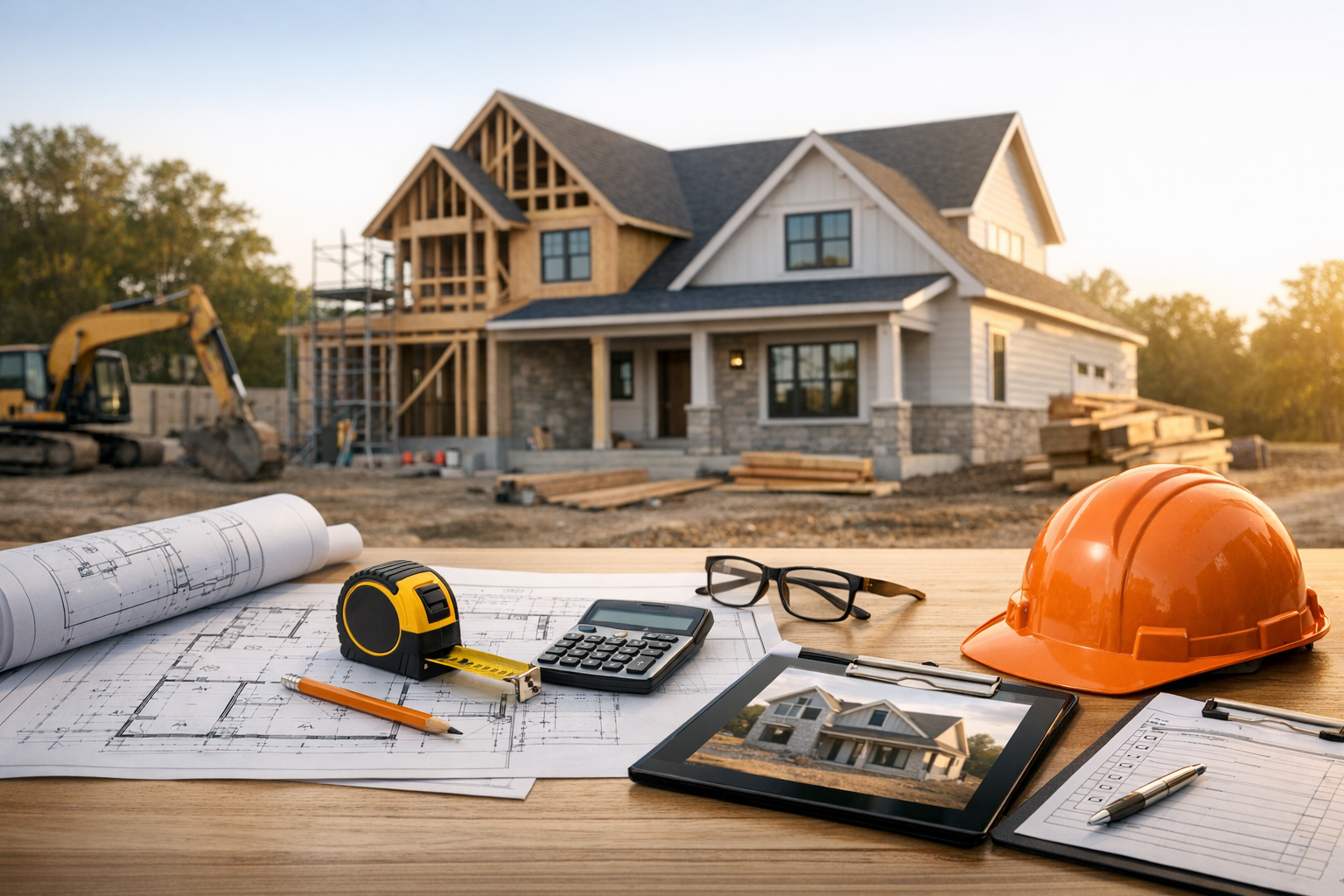
Building a custom home is exciting, but it can also feel overwhelming if the process isn’t organized from day one. Custom home project management is the system that keeps your budget, timeline, design goals, and construction details aligned from the first sketch to the final walk-through. When managed well, it helps homeowners make confident decisions, avoid costly delays, and enjoy a smoother building experience.
What Is Custom Home Project Management?
Custom home project management is the coordination of every moving part involved in designing and building a one-of-a-kind home. It includes planning, scheduling, budgeting, communication, quality control, and problem-solving throughout the project.
Unlike a standard production home, a custom build involves more decisions and more variables. You may be choosing a floor plan, finishes, fixtures, materials, and site-specific details that all affect cost and timing. Project management brings structure to those choices so the build stays on track.
Why Project Management Matters in a Custom Build
A custom home has many interconnected pieces. If one part falls behind, it can affect everything else. For example, a delayed material shipment can push back framing, which can then delay electrical work, inspections, and drywall.
Strong project management helps you:
- Keep the project moving according to schedule
- Control costs and reduce surprise expenses
- Improve communication between the homeowner, builder, and subcontractors
- Catch issues early before they become expensive problems
- Ensure the finished home matches your vision and quality expectations
In short, good project management protects both your investment and your peace of mind.
Key Stages of Custom Home Project Management
1. Pre-Construction Planning
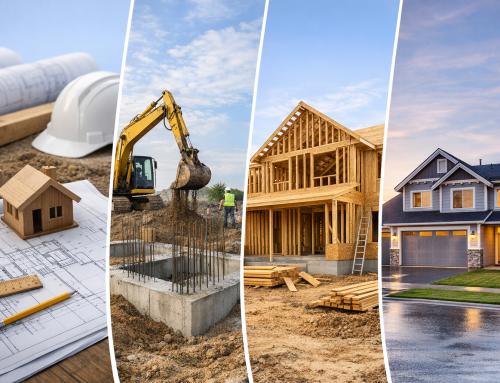
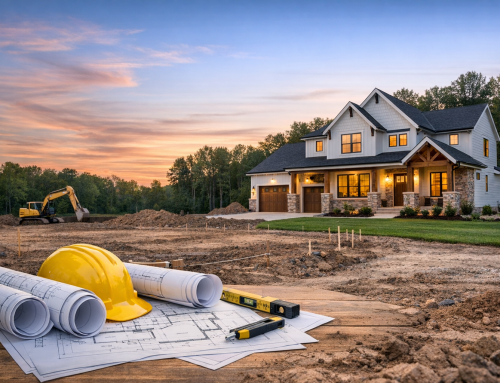
Pre-construction is where the foundation for the entire project is set. This stage usually includes defining your goals, choosing a lot, developing plans, estimating costs, and securing permits. It is also the best time to identify potential challenges such as soil conditions, zoning restrictions, or utility access.
Careful planning at this stage can prevent major delays later. The more decisions that are made before construction begins, the smoother the build is likely to go.
2. Budget Development and Cost Control
Budgeting for a custom home should go beyond the base construction estimate. A complete budget often includes design fees, permits, site preparation, upgrades, landscaping, and contingency funds. Since custom homes involve many selections, even small changes can affect the bottom line.
A good project manager helps track every expense and compares actual costs to the original budget. This makes it easier to make smart trade-offs if unexpected issues arise.
3. Scheduling and Milestone Tracking
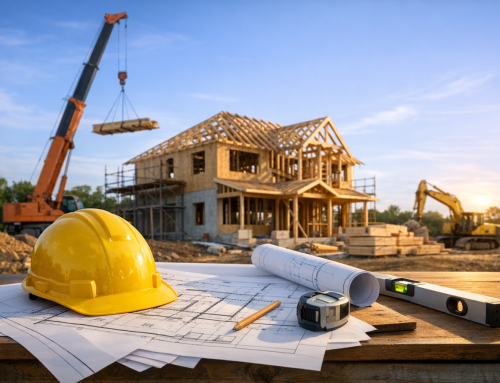
Custom home timelines are built around milestones such as permitting, excavation, foundation work, framing, rough-ins, inspections, drywall, finishes, and final turnover. Each milestone depends on the one before it.
Project management tools and regular progress reviews help keep everyone accountable. A realistic schedule should include buffer time for weather delays, inspection backlogs, and material lead times. Rushing a schedule often creates more problems than it solves.
4. Communication and Decision Management
One of the biggest challenges in custom home construction is decision fatigue. Homeowners are often asked to make dozens, sometimes hundreds, of choices. Without a clear communication process, details can be missed or misunderstood.
Project management creates a system for documenting selections, approvals, change orders, and updates. Clear communication reduces confusion and ensures everyone is working from the same plan.
5. Quality Control and Inspections
Quality control is more than checking the final finishes. It starts early and continues throughout the build. Project managers and builders should inspect work at key stages to verify that it meets design plans, code requirements, and workmanship standards.
Regular site walks, documented punch lists, and third-party inspections can help catch issues while they are still easy to fix. This attention to detail helps protect the long-term value of the home.
Common Challenges in Custom Home Project Management
Even with strong planning, custom home projects can face setbacks. Some of the most common include:
- Weather-related delays
- Material shortages or long lead times
- Permit or inspection delays
- Design changes after construction has started
- Budget overruns caused by upgrades or unforeseen site conditions
The best way to handle these challenges is to anticipate them. A well-managed project includes contingency planning, flexible timelines, and a clear process for handling changes.
How to Choose the Right Project Management Approach
There are different ways to manage a custom home project. Some homeowners rely on a general contractor who oversees the entire build, while others hire a dedicated project manager or work with a design-build team. The right approach depends on the complexity of the home, your budget, and how involved you want to be.
When evaluating your options, look for:
- Experience with custom home construction
- Strong references and a proven track record
- Transparent budgeting and scheduling practices
- Clear communication and documentation systems
- Problem-solving skills and attention to detail
No matter which route you choose, the goal is the same: to keep the build organized, efficient, and aligned with your vision.
Tips for Homeowners to Stay Involved Without Feeling Overwhelmed
Homeowners play an important role in project success. Staying engaged does not mean managing every detail yourself. It means knowing when to ask questions, reviewing updates regularly, and making timely decisions.
Here are a few practical tips:
- Keep a written record of selections and approvals
- Set regular check-in meetings with your builder or project manager
- Ask for updates on timeline changes and budget status
- Review drawings, samples, and plans carefully before approving them
- Build in a contingency fund for unexpected changes
Staying organized makes it easier to enjoy the process instead of feeling buried by it.
Conclusion
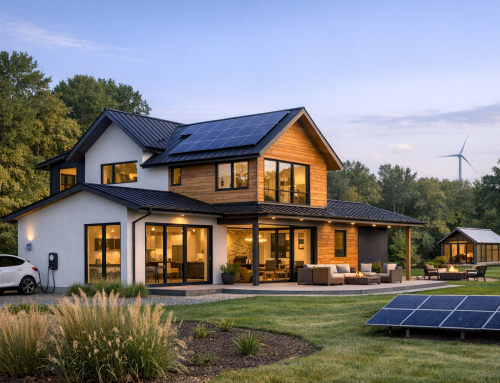
Custom home project management is what turns a complex build into a manageable process. With the right planning, communication, and oversight, you can reduce stress, protect your budget, and bring your dream home to life with fewer surprises. A well-managed project is not just about finishing on time—it is about building a home that reflects your goals from start to finish.