What a Full-Service Restoration Contractor Does and Why It Matters
What Is a Full-Service Restoration Contractor?
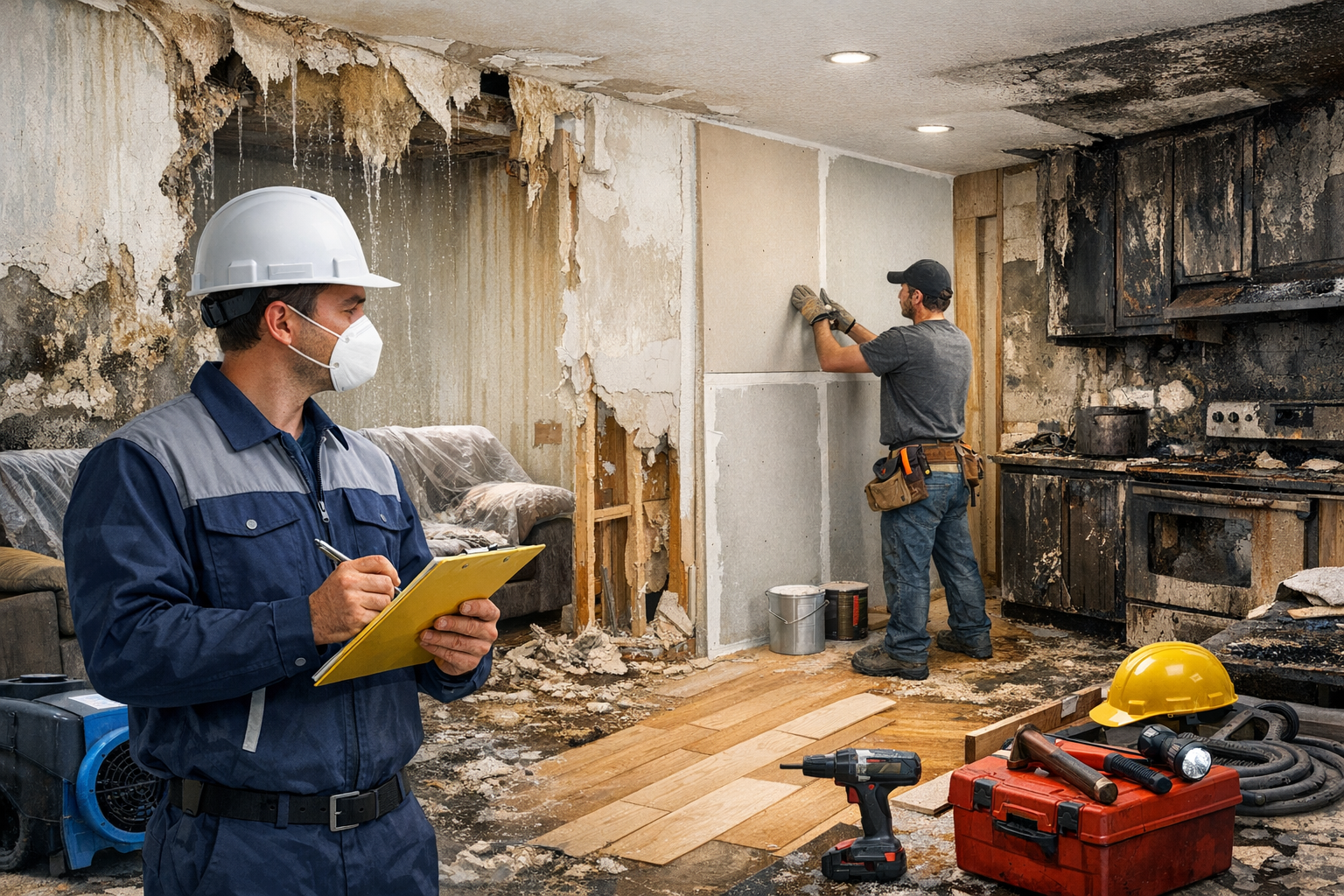
A full-service restoration contractor is a company that handles every stage of property recovery after damage from fire, water, storms, mold, or other disasters. Instead of juggling multiple vendors, homeowners and business owners can rely on one team to assess the damage, begin mitigation, complete repairs, and restore the property to its pre-loss condition. This all-in-one approach simplifies a stressful process and helps reduce delays, miscommunication, and additional damage.
These contractors are especially valuable when time matters. The faster a damaged property is stabilized, the better the chance of minimizing structural issues, mold growth, and long-term repair costs. A full-service restoration contractor combines emergency response, technical expertise, and construction experience to guide property owners from the first call through the final walkthrough.
Core Services a Full-Service Restoration Contractor Provides
While services may vary by company, most full-service restoration contractors offer a broad range of solutions designed to manage both emergency mitigation and complete rebuilding. Their goal is to handle the project from start to finish so the property can be safely occupied again.
Emergency Response and Damage Assessment
The process usually begins with a rapid response. After a disaster, a restoration team will inspect the property, identify the source and extent of damage, and determine what immediate steps are needed to prevent further loss. This may include shutting off water, securing openings, documenting damage, and creating a restoration plan.
Water Extraction and Drying
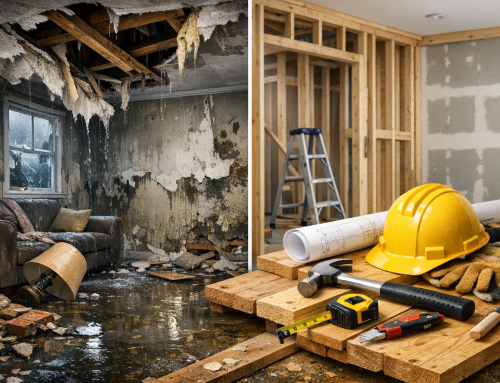
For water-related losses, full-service restoration contractors use specialized equipment to remove standing water and dry affected materials. Industrial pumps, air movers, and dehumidifiers help reduce the risk of mold, rot, and structural deterioration. Moisture monitoring is often part of this process to ensure hidden areas are fully dried.
Fire and Smoke Damage Cleanup
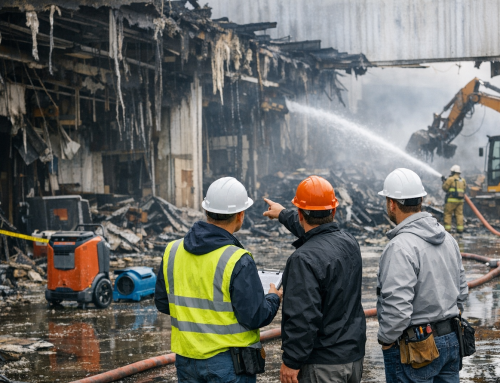
Fire restoration involves more than removing charred materials. Contractors often clean soot, eliminate smoke odors, salvage belongings, and assess structural stability. They may also handle demolition of unsalvageable sections and coordinate repairs to walls, flooring, roofing, and mechanical systems.
Mold Remediation
When moisture has been present long enough for mold to develop, a restoration contractor can contain the affected areas, remove contaminated materials, and treat the space to help prevent recurrence. Mold remediation is a careful process that requires proper safety measures and attention to underlying moisture problems.
Structural Repairs and Reconstruction
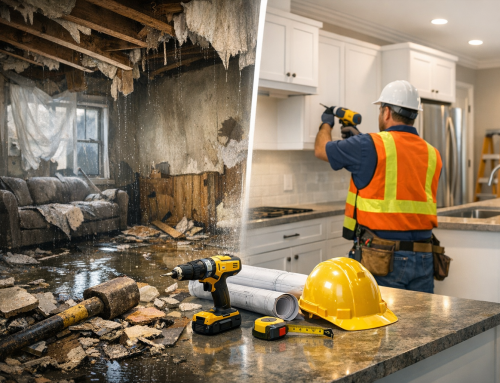
What sets a full-service restoration contractor apart is the ability to move beyond cleanup and complete the rebuild. This can include drywall installation, painting, flooring replacement, cabinetry, roofing, framing, and other construction services. Rather than hiring one company for cleanup and another for repairs, property owners get a seamless transition from mitigation to reconstruction.
Why Hiring a Full-Service Restoration Contractor Is Beneficial
Working with one contractor for the entire restoration project offers several important advantages. It can save time, reduce stress, and improve the overall quality of the recovery process.
Single Point of Contact
When a property suffers significant damage, communication can quickly become overwhelming. A full-service restoration contractor provides one point of contact for estimates, scheduling, updates, and decision-making. This makes it easier to stay informed and avoid confusion.
Faster Project Timelines
Because the same company manages both the mitigation and reconstruction phases, work can move forward more efficiently. There is less waiting between contractors, fewer handoffs, and a better chance of keeping the project on schedule. In an emergency, that speed can make a major difference.
Better Coordination and Consistency
When cleanup and rebuilding are handled by separate companies, details can be lost along the way. A full-service restoration contractor maintains continuity from the initial damage assessment to the final repairs. That helps ensure the scope of work stays aligned and the finished result meets expectations.
Reduced Risk of Further Damage
Delays in drying, cleaning, or repairing a damaged property can worsen the problem. Moisture can spread, smoke residue can set in, and compromised materials can become unsafe. A contractor who manages the entire process can address issues quickly and thoroughly, reducing the chance of additional damage.
How to Choose the Right Restoration Contractor
Not all restoration companies offer the same level of service, so it pays to ask the right questions before hiring one. Choosing an experienced contractor can help protect your property and your peace of mind.
Look for Licensing, Insurance, and Certifications
Make sure the contractor is properly licensed and insured. Industry certifications can also be a sign of training and professionalism, especially for specialized services like water damage restoration or mold remediation. These credentials help show that the company follows recognized standards.
Ask About Emergency Availability
Disasters do not happen on a schedule. A reliable restoration contractor should offer prompt emergency response, ideally 24/7. Fast arrival time can be crucial when water is spreading or a building has been exposed to fire or storm damage.
Review Their Scope of Services
Some companies focus only on mitigation, while others handle the complete restoration process. If you want a full-service experience, confirm that the contractor can manage cleanup, repairs, and reconstruction in-house or through trusted partners. That reduces the risk of delays and miscommunication.
Check References and Past Work
Ask for examples of similar projects and read customer reviews when possible. A reputable contractor should be able to explain how they handle timelines, communication, insurance coordination, and quality control. Experience with your specific type of damage is a strong advantage.
Working With Insurance During Restoration
Many restoration projects involve an insurance claim, and a full-service contractor can often help navigate that process. They may document the damage, provide estimates, and communicate with adjusters to support the claim. While every policy is different, having a contractor who understands insurance procedures can reduce confusion and help keep the project moving.
That said, property owners should still review their policy carefully and stay involved in the process. Clear documentation, photos, and written estimates can make it easier to track approved work and avoid surprises later.
When to Call a Full-Service Restoration Contractor
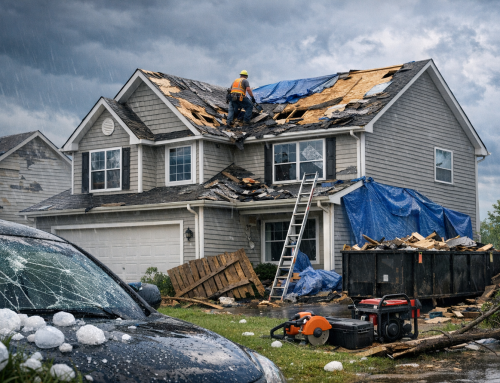
If your property has experienced significant water intrusion, fire damage, mold growth, or storm-related destruction, it is wise to contact a restoration contractor as soon as possible. Even smaller issues can become larger problems if they are not addressed promptly. A full-service contractor can evaluate the situation and recommend the next steps before the damage gets worse.
These professionals are also helpful when you want a simpler, more organized recovery process. Instead of coordinating multiple specialists yourself, you can work with one team that understands how to manage the entire restoration from emergency response to final repairs.
Conclusion
A full-service restoration contractor offers more than cleanup. They provide a complete solution for assessing damage, mitigating further loss, repairing the structure, and restoring your property with as little disruption as possible. When disaster strikes, having one trusted team handle every phase can save time, reduce stress, and help you move forward with confidence.