Emergency Restoration and Rebuild: What to Expect After a Disaster
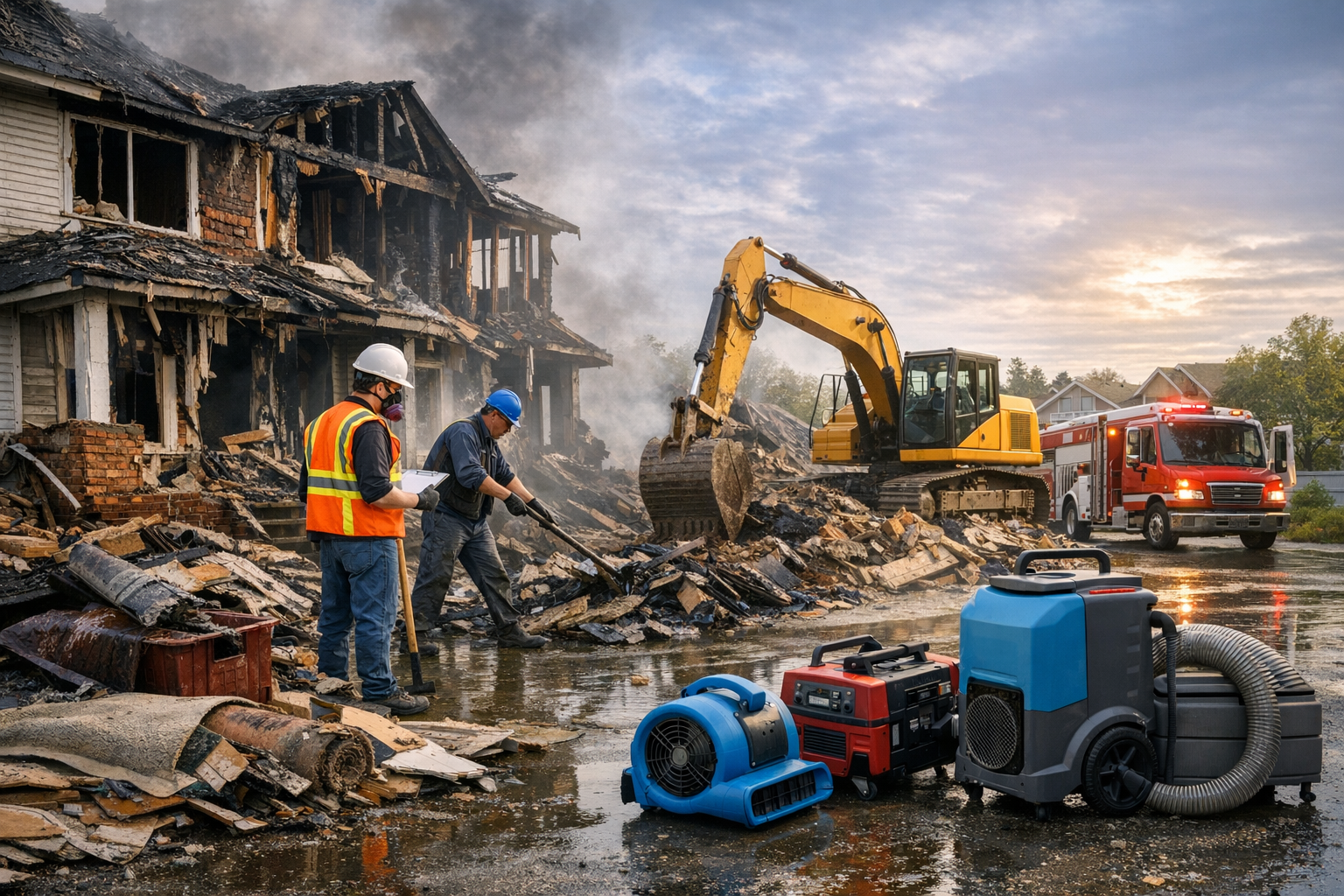
Understanding Emergency Restoration and Rebuild
When disaster strikes, the damage can feel overwhelming. Whether it is caused by fire, water, storms, mold, or another unexpected event, emergency restoration and rebuild services are designed to help property owners recover quickly and safely. These services focus on stabilizing the property, reducing further damage, and restoring the space so it can be used again.
While the terms are often used together, restoration and rebuild are not exactly the same. Restoration usually refers to cleaning, drying, repairing, and salvaging as much of the affected property as possible. Rebuild comes after that and involves reconstructing damaged areas that cannot be repaired. Together, they create a complete recovery process.
What Happens During Emergency Restoration
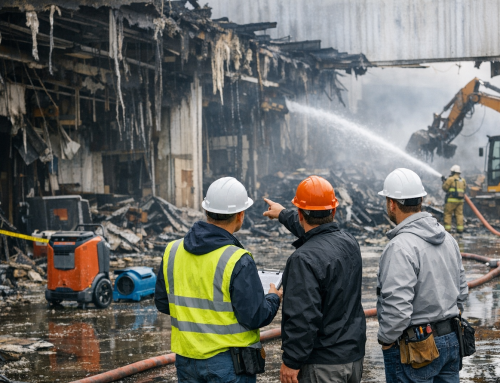
Emergency restoration begins as soon as a response team arrives on site. The first priority is safety. Professionals inspect the damage, identify hazards, and take immediate steps to prevent the problem from getting worse. This may include shutting off water, securing broken windows, boarding up openings, or removing unsafe materials.
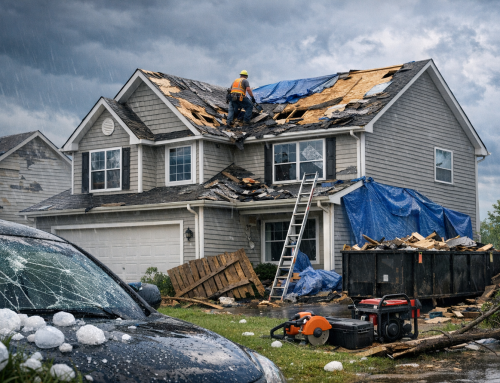
From there, the restoration process depends on the type of disaster. Water damage may require extraction, drying, and dehumidification. Fire damage often involves smoke and soot cleanup, odor removal, and structural assessment. In storm-related events, crews may remove debris, tarp damaged roofs, and protect exposed areas from the elements.
One of the most important parts of emergency restoration is fast action. The longer water sits, smoke lingers, or structural damage remains untreated, the more expensive and complicated the recovery becomes. Acting quickly can save materials, reduce downtime, and prevent secondary issues like mold growth or further structural deterioration.
Common Types of Damage That Require Immediate Response
Not every property issue needs emergency service, but some situations should be addressed right away. These include flooding, burst pipes, fire and smoke damage, roof leaks after severe weather, sewage backups, mold outbreaks, and structural damage from impact or natural disasters.
Water damage is especially urgent because it can spread rapidly through walls, flooring, and belongings. Fire damage is also time-sensitive since soot and smoke can stain surfaces and create lingering odors if not addressed promptly. Storm damage can leave a property exposed to rain, pests, and theft, making temporary protection a key part of the response.
In many cases, multiple types of damage happen at once. For example, a fire may be followed by water damage from firefighting efforts, or a storm may cause both roof damage and interior flooding. A full emergency restoration plan addresses all of these issues together rather than one at a time.
The Rebuild Process After Restoration
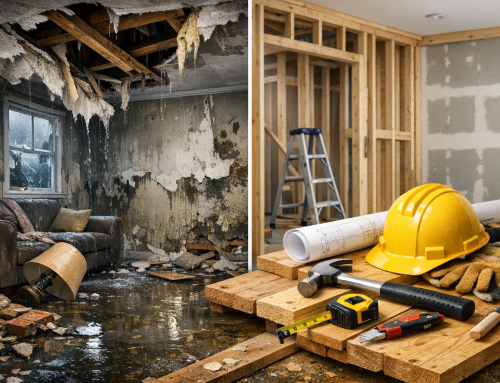
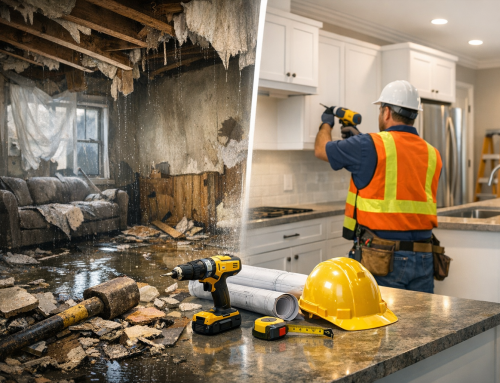
Once the property has been stabilized and cleaned, the rebuild stage begins. This phase is about reconstructing the areas that were too damaged to repair. Depending on the extent of the loss, rebuild services may include replacing drywall, flooring, insulation, cabinetry, roofing, electrical components, and plumbing systems.
The rebuild process often starts with detailed planning and documentation. Contractors and property owners review the scope of damage, determine what can be repaired versus replaced, and create a timeline for the project. In many cases, permits, inspections, and insurance coordination are also part of the process.
Rebuild work is more than simply restoring the property to its original condition. It can also be an opportunity to make improvements, update materials, and increase resilience against future damage. For example, a homeowner may choose more water-resistant flooring, improved drainage, or upgraded fire-safe materials during reconstruction.
How Professionals Help Simplify Recovery
After a disaster, property owners often have to juggle multiple tasks at once: contacting insurance, finding temporary housing, documenting damage, and protecting their belongings. Professional emergency restoration and rebuild teams help reduce that burden by managing much of the process from start to finish.
Experienced teams bring the right equipment, safety training, and technical knowledge to assess damage accurately and move quickly. They also understand how to prioritize tasks, which is critical when time-sensitive damage is involved. Instead of trying to coordinate different contractors separately, property owners can work with one team that handles emergency mitigation, cleanup, and reconstruction.
Another major benefit is communication. A qualified restoration and rebuild provider can explain what is happening at each stage, help set expectations, and keep the project moving. That kind of support can make a difficult situation feel more manageable.
What to Look for in a Restoration and Rebuild Company
Choosing the right company can make a significant difference in how smoothly recovery goes. Look for a provider with experience in the specific type of damage your property has suffered. A company that handles water, fire, storm, and mold damage can often respond more effectively to complex situations.
It is also important to choose a team that offers both restoration and rebuild services. This creates a more seamless process because the same company can handle emergency stabilization and the later reconstruction work. Ask about licensing, insurance support, response time, and communication practices before making a decision.
Reputation matters too. Reviews, references, and examples of past projects can help you understand the company’s quality of work and customer service. In a stressful situation, you want a team that is reliable, transparent, and ready to act fast.
Steps Property Owners Can Take Right Away
If your property has been damaged, there are a few immediate steps that can help protect your safety and support a smoother restoration process. First, make sure everyone is safe and avoid entering areas that may be structurally unstable, wet, or exposed to electrical hazards. If needed, contact emergency services first.
Next, document the damage with photos or video if it is safe to do so. This can help with insurance claims and repair planning. Then contact your insurance provider and an emergency restoration company as soon as possible. If there is an active leak, broken window, or roof opening, temporary protective measures may be necessary to prevent further loss.
It is also wise to save any receipts related to emergency expenses such as hotel stays, supplies, or temporary repairs. These records may be helpful during the claims process.
Conclusion
Emergency restoration and rebuild services play a critical role in helping property owners recover after disaster. From immediate damage control to full reconstruction, the process is designed to restore safety, function, and peace of mind. Acting quickly and working with the right professionals can make recovery faster, smoother, and far less stressful.