Flood Damage Reconstruction Services: What to Expect and Why They Matter
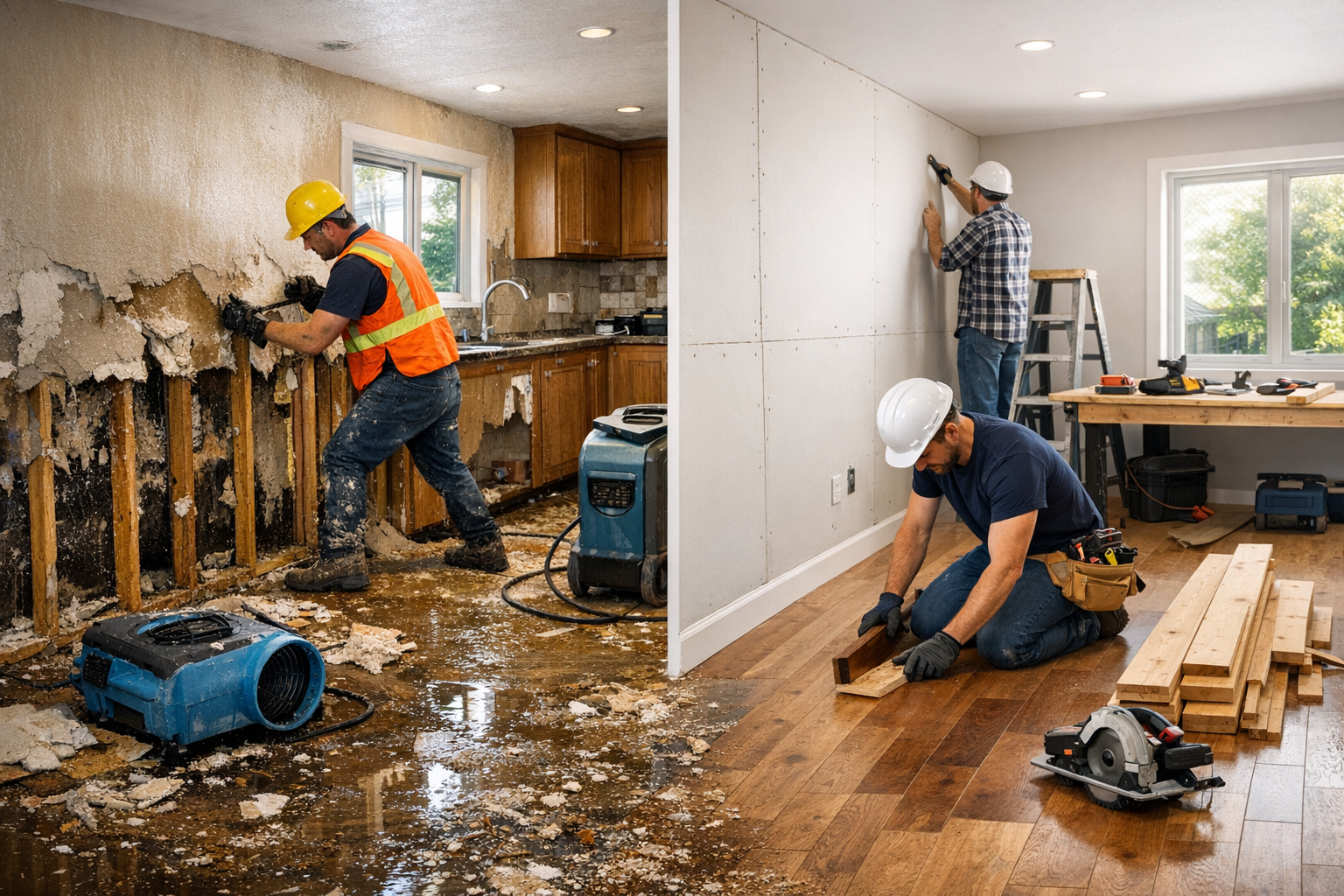
Understanding Flood Damage Reconstruction Services
Flood damage reconstruction services help restore a property after it has been affected by rising water, storm surge, burst pipes, or sewage backups. While water removal and drying are important first steps, reconstruction goes further by repairing or rebuilding damaged structures and finishing materials. This may include drywall replacement, flooring installation, insulation repair, cabinetry, painting, and even full-room or whole-home rebuilds.
The goal is not only to make the property look normal again, but to ensure it is safe, functional, and structurally sound. Floodwater can weaken foundations, warp wood framing, damage electrical systems, and create hidden mold issues. Because of that, reconstruction should be handled by experienced professionals who understand both building standards and the unique challenges of water damage.
What Happens After a Flood
After floodwater recedes, many homeowners are surprised by how much damage remains behind walls, under floors, and inside insulation. The property may look dry on the surface, but trapped moisture can continue causing deterioration long after the initial event. Reconstruction services are typically needed once the property has been fully assessed, cleaned, and dried.
During this phase, contractors evaluate which materials can be saved and which must be removed. In some cases, a small section of drywall or flooring can be replaced. In more severe situations, complete reconstruction of entire rooms may be necessary. The process is often customized to match the extent of the damage and the needs of the property owner.
Key Steps in the Reconstruction Process
1. Inspection and Damage Assessment
The first step is a detailed inspection. Professionals check visible damage and use moisture meters or thermal imaging to identify hidden water intrusion. This assessment helps determine the full scope of work and creates a plan for reconstruction.
2. Demolition and Removal
Materials that cannot be salvaged are safely removed. This may include soaked drywall, carpet, insulation, trim, cabinets, or damaged subflooring. Proper demolition is important because leaving compromised materials in place can lead to mold growth and structural problems.
3. Structural Repairs
If the flood affected framing, subflooring, or other structural elements, those components are repaired or replaced. This stage ensures the property is stable before cosmetic work begins.
4. Rebuilding and Finishing
Once the structure is secure, the reconstruction team begins rebuilding. This can include installing new drywall, flooring, doors, windows, cabinets, countertops, and paint. The final result should restore the property to pre-loss condition or better.
5. Final Inspection and Quality Checks
A thorough final inspection confirms that the repairs meet safety and quality standards. Contractors verify that materials are installed correctly and that no moisture issues remain hidden within the walls or floors.
Why Professional Reconstruction Is Important
Flood damage is not just a cosmetic issue. Water can create long-term problems that become more expensive if they are not addressed properly. Professional reconstruction services help prevent those issues by restoring the property with the right materials, methods, and attention to detail.
Trained teams understand how to coordinate with drying specialists, insurers, and building inspectors. They also know how to identify signs of hidden damage that untrained eyes may miss. This is especially important in flood situations where contaminated water may have entered the home. Proper handling protects both the property and the health of the occupants.
Common Areas That Need Reconstruction
Flood damage can affect nearly every part of a building, but some areas are more commonly repaired than others. Walls and insulation often need replacement because they absorb water quickly. Flooring is also frequently damaged, especially carpet, laminate, and hardwood. Kitchens and bathrooms may require cabinet replacement, tile repair, and plumbing checks.
In basements and lower levels, floodwater can damage storage rooms, utility areas, and appliances. Electrical systems may need to be inspected and repaired before rebuilding begins. In severe cases, entire lower floors or sections of a property may need complete reconstruction.
How to Choose the Right Reconstruction Service
Choosing the right contractor can make a major difference in both the quality of the repair and the speed of recovery. Look for a company with experience in flood damage reconstruction, not just general remodeling. The best providers understand water mitigation, structural repair, and restoration finishing work.
It is also helpful to choose a team that offers clear communication, detailed estimates, and coordination with insurance claims. Ask about licensing, insurance, references, and previous flood restoration projects. A reliable contractor should explain the process, provide realistic timelines, and keep you informed at every stage.
What to Expect in Terms of Timeline and Cost
Every flood recovery project is different, so timelines and costs vary widely. Minor repairs may take only a few days, while major structural reconstruction can take weeks or even months. Factors such as the size of the property, extent of the damage, material availability, and permit requirements all affect the schedule.
Costs depend on the amount of demolition, labor, materials, and specialty work required. Working with a qualified reconstruction service can help prevent costly mistakes and reduce the chance of future repairs. In many cases, a professional assessment is the best way to understand the real scope of the project.
Preventing Future Flood Damage
While not every flood can be avoided, there are steps homeowners can take to reduce risk. Installing sump pumps, improving drainage, sealing foundation cracks, and elevating utilities can help protect a property. Regular maintenance of gutters, downspouts, and exterior grading also makes a difference.
After reconstruction is complete, it is a good idea to discuss preventative upgrades with your contractor. In some cases, flood-resistant materials and improved design choices can make future recovery easier and less expensive.
Conclusion
Flood damage reconstruction services play a vital role in restoring safety, comfort, and value after a water disaster. By addressing both visible and hidden damage, these services help property owners recover with confidence. With the right team, a flood-damaged property can be rebuilt into a secure and lasting space once again.