How to Rebuild After a Fire Insurance Claim: A Practical Guide
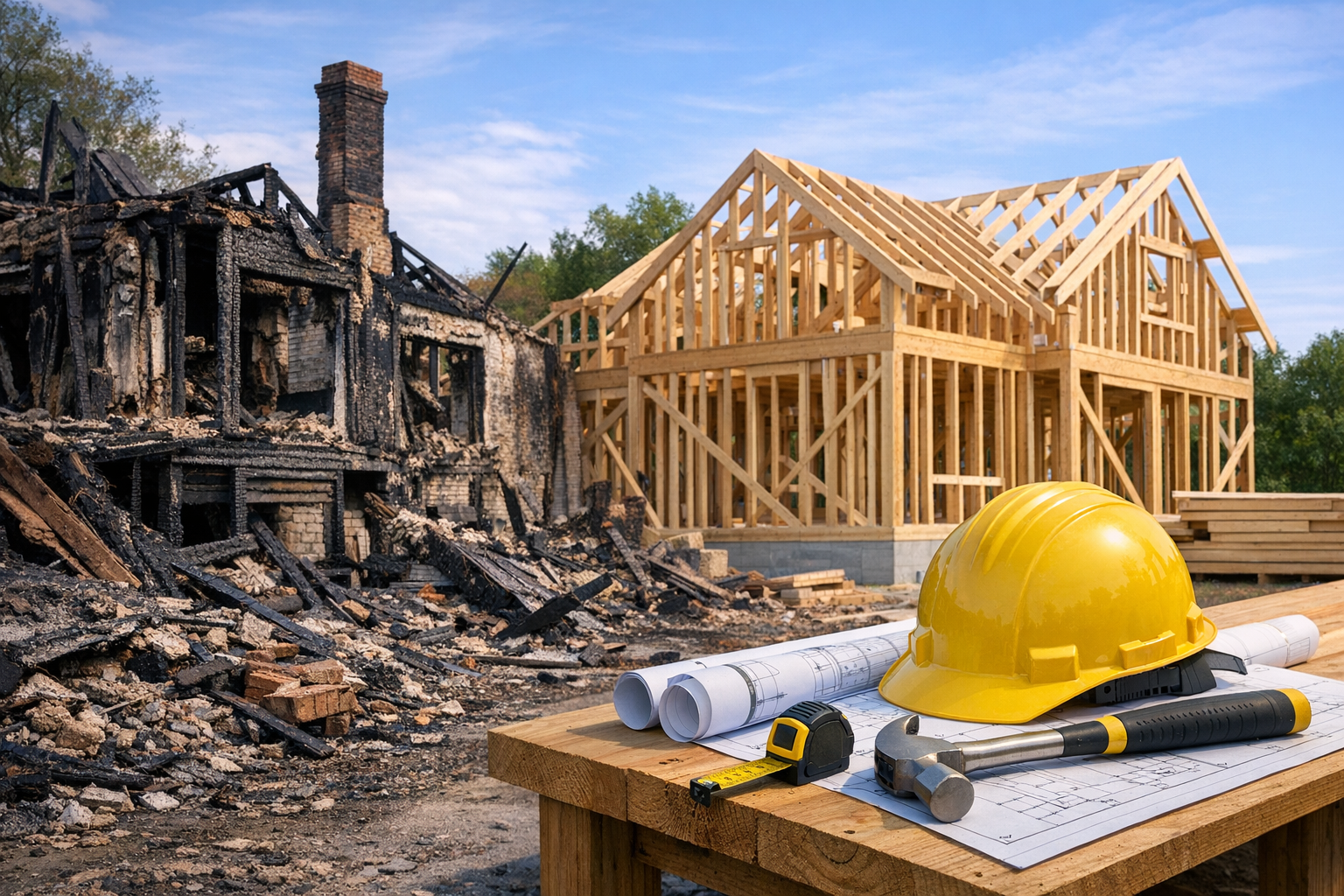
Rebuilding after a fire can feel overwhelming. Between the emotional toll, insurance paperwork, and decisions about repairs, it’s easy to feel stuck. The good news is that with a clear plan, the right professionals, and a careful approach to your claim, you can move forward with confidence. This guide walks you through the rebuild after fire insurance claim process step by step so you can protect your home, your budget, and your peace of mind.
1. Understand Your Fire Insurance Claim
The first step is to understand exactly what your policy covers and how the claims process works. Fire insurance claims can include damage from flames, smoke, soot, water used to extinguish the fire, and even temporary living expenses if your home is uninhabitable. Review your policy declarations page, coverage limits, deductibles, and any endorsements that may affect your payout.
What your policy may cover
Most homeowners’ policies cover the structure of the home, personal belongings, debris removal, and additional living expenses. However, coverage details vary. For example, replacement cost coverage may pay to rebuild with similar materials, while actual cash value coverage factors in depreciation. Knowing the difference can significantly affect the amount you receive.
How the claim process works
After reporting the fire, your insurer typically assigns an adjuster to inspect the damage and estimate repair costs. You may also need to provide an inventory of damaged items, receipts, photos, and contractor estimates. Stay organized and keep copies of all communications. The more documentation you have, the easier it is to support your claim.
2. Assess the Damage and Secure the Property
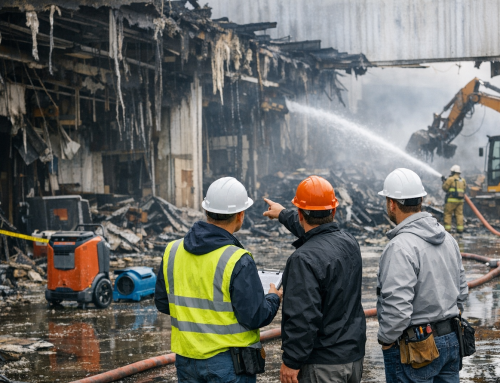
Before any rebuild begins, make sure the property is safe and secure. Fire-damaged homes may have structural instability, electrical hazards, weakened roofs, or water damage that can worsen quickly. Never enter the property until fire officials or a qualified inspector say it is safe.
Document everything
Take photos and videos of all affected areas before cleanup or demolition starts. Capture walls, ceilings, flooring, appliances, furniture, personal belongings, and exterior damage. This evidence is essential if questions arise later about the extent of the loss.
Prevent further damage
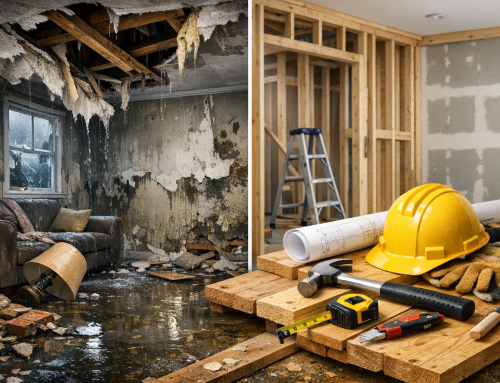
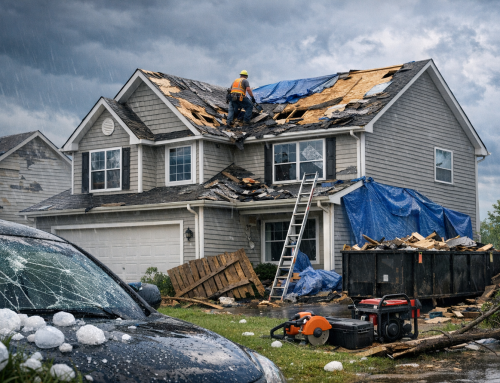
Once the property is cleared for access, take reasonable steps to prevent additional damage. This might include boarding up windows, tarping the roof, drying out wet materials, or shutting off utilities. Keep receipts for these emergency measures because they may be reimbursable under your policy.
3. Work with the Right Professionals
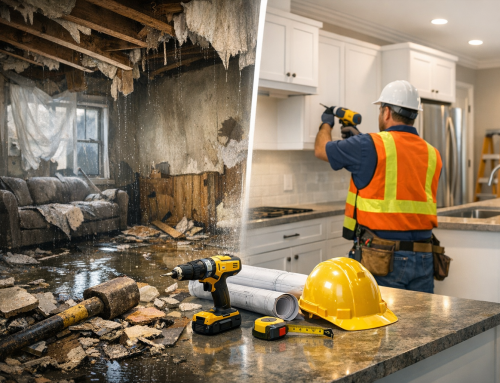
Rebuilding after a fire is rarely a DIY project. In most cases, you’ll need a team of professionals to help you move from cleanup to reconstruction. The right experts can save time, reduce stress, and help you avoid costly mistakes.
Who you may need
Depending on the severity of the fire, your team may include a public adjuster, contractor, architect, engineer, restoration company, and possibly a contents specialist. A public adjuster advocates for you during the insurance claim, while a contractor provides rebuilding estimates and oversees the construction work.
How to choose a contractor
Look for licensed, insured professionals with experience in fire restoration and insurance rebuilds. Ask for references, review past projects, and request a detailed written estimate. Be cautious of anyone who pressures you to sign quickly or asks for large upfront payments without clear terms.
4. Plan the Rebuild Process
Once the claim is moving forward, it’s time to plan the rebuild itself. This stage involves balancing your insurance coverage, your budget, and the improvements you want to make. Start with the essentials: restoring structural integrity, replacing damaged systems, and bringing the home back to code.
Coordinate with your insurer
Before work begins, confirm which repairs are approved and how payments will be issued. Some insurers pay in stages, while others release funds after inspections are completed. Make sure you understand whether the payout will cover the full cost upfront or whether you’ll need to manage cash flow during the project.
Decide what to replace or upgrade
A rebuild after fire is also an opportunity to improve your home. You may choose to upgrade electrical systems, install fire-resistant materials, or redesign damaged spaces. Just remember that insurance typically covers like-for-like replacement, so upgrades beyond the original scope may be out-of-pocket expenses.
5. Manage Costs and Delays
Fire rebuilds often take longer and cost more than expected. Supply chain issues, permit delays, hidden structural damage, and labor shortages can all affect the timeline. Staying flexible and proactive can help you keep the project on track.
Track every expense
Create a file for all insurance paperwork, contractor invoices, temporary housing costs, and receipts for emergency repairs. This makes it easier to monitor your budget and submit additional documentation if the insurer requests it. Detailed records can also help if you need to dispute an estimate or request a supplemental payment.
Prepare for hidden damage
Even if the fire seemed limited, smoke, soot, and water can create hidden problems behind walls, under flooring, and inside HVAC systems. If your contractor uncovers additional damage, notify your insurer right away and provide photos and updated estimates. Supplemental claims are common during rebuilds, so don’t assume the first estimate is final.
6. Avoid Common Mistakes
Some homeowners slow down their own recovery by making preventable mistakes. One of the biggest is starting demolition before the damage is fully documented and approved. Another is accepting the first insurance offer without reviewing whether it truly covers the full scope of repairs.
Don’t rush the settlement
It can be tempting to accept a quick payment and move on, especially when you’re under stress. But if the estimate is too low, you may end up paying for major repairs yourself. Take time to compare the insurer’s estimate with contractor bids and ask questions about anything that seems unclear.
Stay involved throughout the project
Even if professionals are managing the rebuild, stay informed. Visit the site when possible, ask for progress updates, and confirm that any changes are documented. Clear communication helps prevent misunderstandings and keeps the rebuild aligned with both your goals and your claim.
Conclusion
Rebuilding after a fire insurance claim is a major process, but it becomes much more manageable when you understand your coverage, document everything, and work with trusted professionals. With patience and careful planning, you can turn a difficult situation into a successful recovery and restore your home with confidence.