Modern Custom Home Construction: What to Expect, Plan, and Prioritize
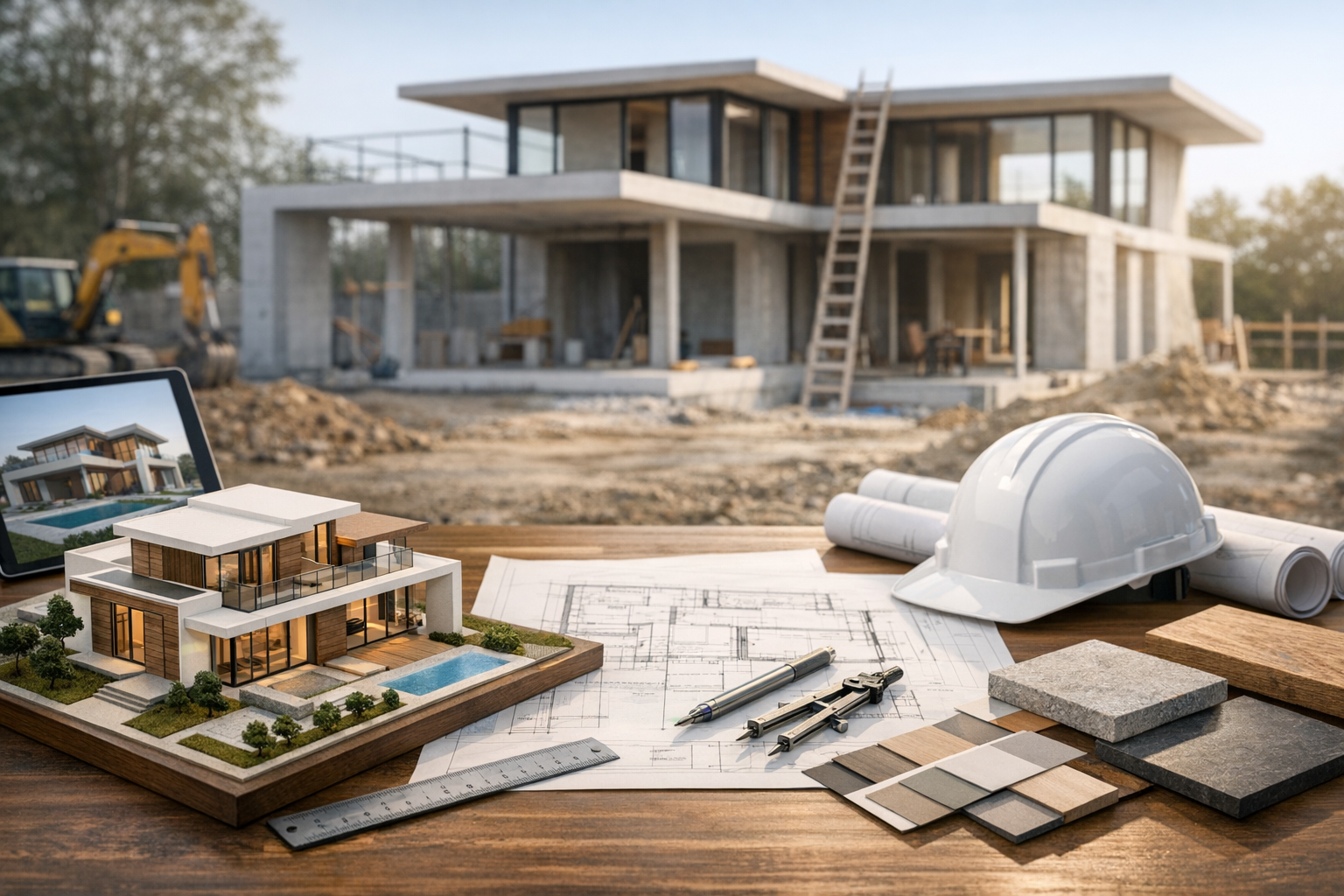
Modern custom home construction gives homeowners the chance to create a house that reflects their lifestyle, taste, and long-term needs. Instead of adapting to a pre-built layout, you get to shape the floor plan, materials, finishes, and energy features from the ground up. That flexibility is exciting, but it also means there are more decisions to make and more steps to manage along the way.
If you’re considering building a custom home, understanding the process can help you make smarter choices, avoid costly delays, and enjoy a smoother experience from start to finish. Here’s what to know about modern custom home construction, from planning and design to finishing touches.
What Defines Modern Custom Home Construction?
Modern custom home construction focuses on creating a one-of-a-kind home tailored to the owner’s needs. While style varies from project to project, modern custom homes often emphasize clean lines, open layouts, natural light, and functional spaces that support daily life. They also tend to incorporate energy-efficient systems, smart-home technology, and durable, low-maintenance materials.
The biggest advantage is customization. You can design a home around how you live—whether that means a chef’s kitchen, a private office, multi-generational living areas, or seamless indoor-outdoor spaces. The goal is not just to build a beautiful home, but to build one that works well for your family now and in the future.
The Planning Stage: Setting the Foundation for Success
Careful planning is the most important part of any custom build. Before construction begins, you’ll want to define your budget, goals, preferred style, and must-have features. This is also the stage to think about how much space you need, how rooms should connect, and which features will add the most value over time.
Budgeting should include more than the cost of construction. Land acquisition, design fees, permits, site preparation, landscaping, fixtures, and contingency funds all need to be factored in. A realistic budget helps prevent surprises later and gives your builder and designer a clear framework for making recommendations.
It’s also wise to research neighborhoods, zoning rules, and lot conditions early. The site itself can affect everything from foundation costs to home orientation and drainage. A well-chosen lot can improve energy efficiency, privacy, and curb appeal.
Designing a Home That Fits Your Lifestyle
One of the main benefits of custom home construction is the ability to design around your daily routines. This is where modern custom homes stand out. Open-concept living areas, flexible bonus rooms, mudrooms, walk-in pantries, and dedicated workspaces are common features because they support real-life function.
Prioritize Function Before Finishes
It’s easy to get excited about finishes like countertops, flooring, and fixtures, but the smartest design decisions start with function. Think about how you move through the home, where clutter tends to build up, and which spaces need privacy or flexibility. A well-designed floor plan will feel comfortable and efficient every day.
Consider Natural Light and Flow
Modern homes often maximize windows and glass doors to create a bright, open feel. Good placement of windows can also improve passive heating, reduce the need for artificial lighting, and connect the indoors with outdoor living areas. The flow between kitchen, dining, and living spaces should feel natural and intentional.
Choosing Materials and Features for Longevity
Modern custom home construction offers the opportunity to select materials that balance style, durability, and performance. Many homeowners now prefer surfaces and systems that are easier to maintain and better suited to long-term living. That might include engineered flooring, composite decking, high-performance insulation, and energy-efficient windows.
In kitchens and bathrooms, durable countertops, moisture-resistant cabinetry, and quality plumbing fixtures can make a big difference in day-to-day use. In high-traffic areas, selecting materials that hold up to wear can reduce maintenance costs and extend the life of the home.
Another major consideration is future readiness. Pre-wiring for technology, planning for EV charging, and choosing adaptable spaces can make your home more practical as needs evolve. Smart planning today can save time and money later.
Energy Efficiency and Smart Home Technology
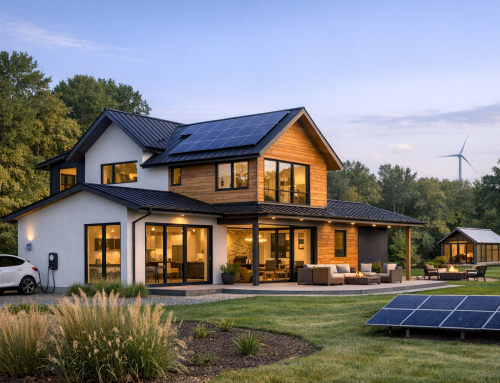
Today’s custom homes are often designed with performance in mind. Energy-efficient construction can lower utility bills, increase comfort, and reduce environmental impact. Features such as advanced insulation, high-efficiency HVAC systems, energy-rated windows, and sealed building envelopes all contribute to a better-performing home.
Smart home technology is also becoming a standard part of modern custom home construction. Homeowners may choose automated lighting, smart thermostats, security systems, voice controls, and app-based monitoring. These features can improve convenience and help homeowners manage energy use more effectively.
When combined with thoughtful design, these upgrades create a home that feels modern in both style and function.
Working with the Right Builder and Team
The success of a custom build depends heavily on the professionals you choose. A skilled builder, architect, and designer can help turn your ideas into a practical plan and guide you through the many decisions involved. Look for a team with experience in modern custom home construction, strong communication, and a portfolio that aligns with your vision.
Clear communication is essential. Make sure expectations around timeline, budget, allowances, and change orders are discussed early. Regular updates and site meetings can help keep the project on track and reduce misunderstandings.
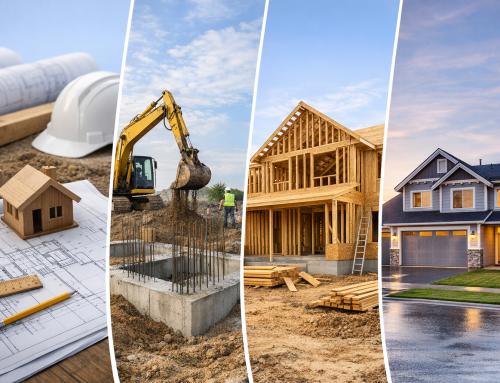
It’s also helpful to understand the construction timeline. While every project is different, custom home builds usually move through design, permitting, site preparation, foundation work, framing, mechanical systems, interior finishes, and final inspections. Patience is important, but good planning and an organized team can make the process much smoother.
Final Thoughts
Modern custom home construction is an exciting way to create a home that truly fits your life. With thoughtful planning, smart design choices, and the right team, you can build a home that is functional, efficient, and uniquely yours. The key is to focus on long-term value, not just immediate trends, so your home remains comfortable and practical for years to come.
By approaching the process with clear goals and realistic expectations, you can turn the dream of a custom home into a rewarding reality.