Energy-Efficient Custom Home Builders: What to Know Before You Build
Why Energy-Efficient Custom Home Builders Matter
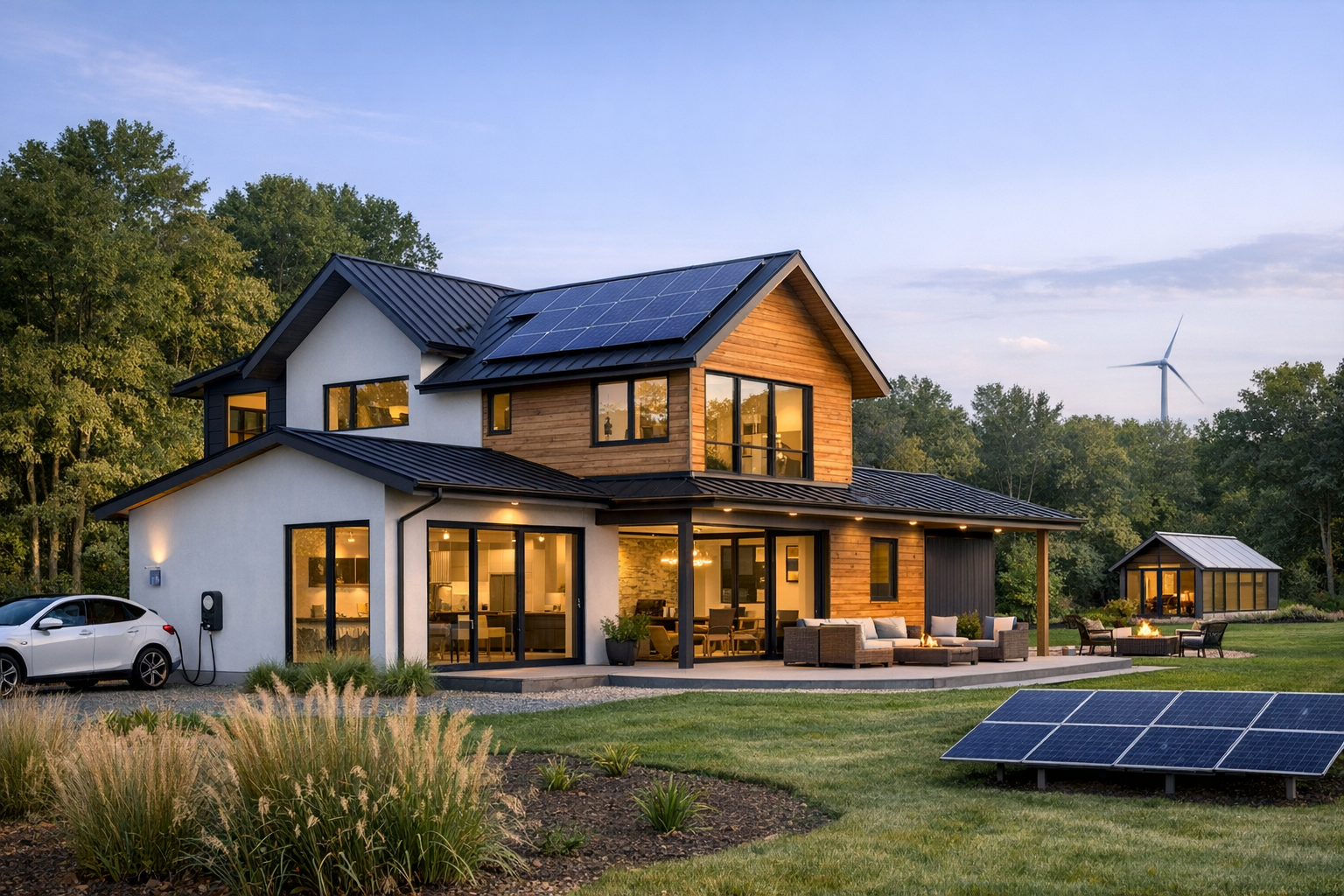
Building a custom home is a major investment, and today’s homeowners want more than beautiful finishes and an open floor plan. They want a home that performs well, keeps utility costs under control, and feels comfortable in every season. That’s where energy-efficient custom home builders come in. These builders design and construct homes with smarter materials, better systems, and a more thoughtful approach to long-term performance.
Unlike a standard builder who may rely on a fixed set of plans and features, an energy-efficient custom home builder can tailor the entire project around your goals. Whether you want lower monthly bills, improved indoor air quality, or a home that’s more environmentally responsible, energy efficiency can be built into the process from the ground up.
What Makes a Home Energy-Efficient?
Energy efficiency is about using less energy to achieve the same or better level of comfort and function. In a home, that usually means less heat loss in winter, less heat gain in summer, and systems that run with greater efficiency.
A well-designed energy-efficient home may include high-performance insulation, airtight construction, energy-saving windows, efficient HVAC equipment, smart thermostats, and appliances that use less power and water. The goal is not just to reduce energy consumption, but to create a home that works better overall.
Better Building Envelopes
The building envelope is the barrier between the inside of your home and the outdoors. This includes the walls, roof, foundation, windows, and doors. Energy-efficient custom home builders pay close attention to this envelope because it has a huge impact on comfort and efficiency.
Features such as advanced insulation, high-quality air sealing, and insulated windows help maintain stable indoor temperatures and reduce strain on heating and cooling systems. A stronger envelope also helps prevent drafts, moisture issues, and temperature swings.
High-Efficiency Systems
Even the best envelope needs efficient mechanical systems. Energy-efficient builders often recommend HVAC systems, water heaters, and ventilation equipment that are properly sized and designed for the home. Oversized systems waste energy and can make a home less comfortable, so careful planning matters.
Many builders also install programmable or smart controls that allow homeowners to manage energy use more effectively. When paired with the right design, these systems can make a noticeable difference in monthly operating costs.
Benefits of Hiring an Energy-Efficient Custom Home Builder
Choosing a builder with energy-efficient expertise offers more than one-time savings. It affects how your home performs for years to come.
First, you may see lower utility bills. Homes designed with efficiency in mind typically require less energy to heat, cool, and power everyday living. Second, you’ll likely enjoy greater comfort. Fewer drafts, better temperature control, and improved ventilation all contribute to a more pleasant home environment.
Third, energy-efficient homes often have stronger resale appeal. Buyers increasingly look for features that reduce operating costs and support sustainable living. Finally, many homeowners appreciate the peace of mind that comes from knowing their home was built with long-term performance in mind.
What to Look for in a Builder
Not every custom home builder has the same level of experience with energy-efficient construction. When comparing companies, ask specific questions about their process and qualifications.
Look for a builder who understands building science, not just design aesthetics. They should be able to explain how insulation, ventilation, and air sealing work together. It also helps if they have experience with third-party energy testing, such as blower door tests or energy audits, which can confirm how well a home performs.
Ask about the materials and products they commonly use. Do they offer ENERGY STAR-rated appliances, efficient windows, and high-performance insulation options? Can they help you choose sustainable or low-maintenance materials? A knowledgeable builder will guide you through these decisions without overwhelming you.
Ask About Certifications and Standards
Some builders follow recognized efficiency standards such as ENERGY STAR, LEED, or Passive House principles. While certification is not required for every project, it can be a good sign that the builder has a disciplined approach to performance. These standards often involve detailed planning, testing, and quality control that improve the final result.
If certifications matter to you, ask whether the builder has completed homes under those programs and what the process looks like. Their answers can reveal how committed they are to measurable efficiency, not just marketing claims.
Design Choices That Improve Efficiency
Energy efficiency begins long before construction starts. In the planning phase, the right design choices can reduce energy needs from day one.
Home orientation matters. A builder who considers sunlight, shade, and local climate can help place windows and living spaces in ways that maximize natural light and reduce unwanted heat gain. Roof design, window placement, and room layout can all contribute to better performance.
Material selection is also important. Durable, well-insulated materials and carefully chosen finishes can support efficiency while reducing maintenance over time. In some cases, builders may recommend solar-ready roof design, allowing homeowners to add panels later without major changes.
Cost vs. Long-Term Value
Some homeowners worry that energy-efficient custom homes cost too much upfront. It’s true that certain features may increase initial construction costs. However, those costs should be weighed against long-term savings and benefits.
Lower energy bills, fewer repair issues, greater comfort, and a longer-lasting home can offset the early investment. In addition, many energy-efficient improvements add value that is difficult to measure in dollars alone, such as better air quality and a smaller environmental footprint. A good builder can help you prioritize upgrades based on your budget and goals.
Final Thoughts
Energy-efficient custom home builders help homeowners create spaces that are comfortable, durable, and cost-effective to operate. By focusing on the home’s design, envelope, systems, and materials, these builders can deliver a property that performs well from the start and continues to reward you over time. If you’re planning a custom build, choosing a builder with energy efficiency expertise is one of the smartest decisions you can make.