Why an In-House Design Team Matters in Construction
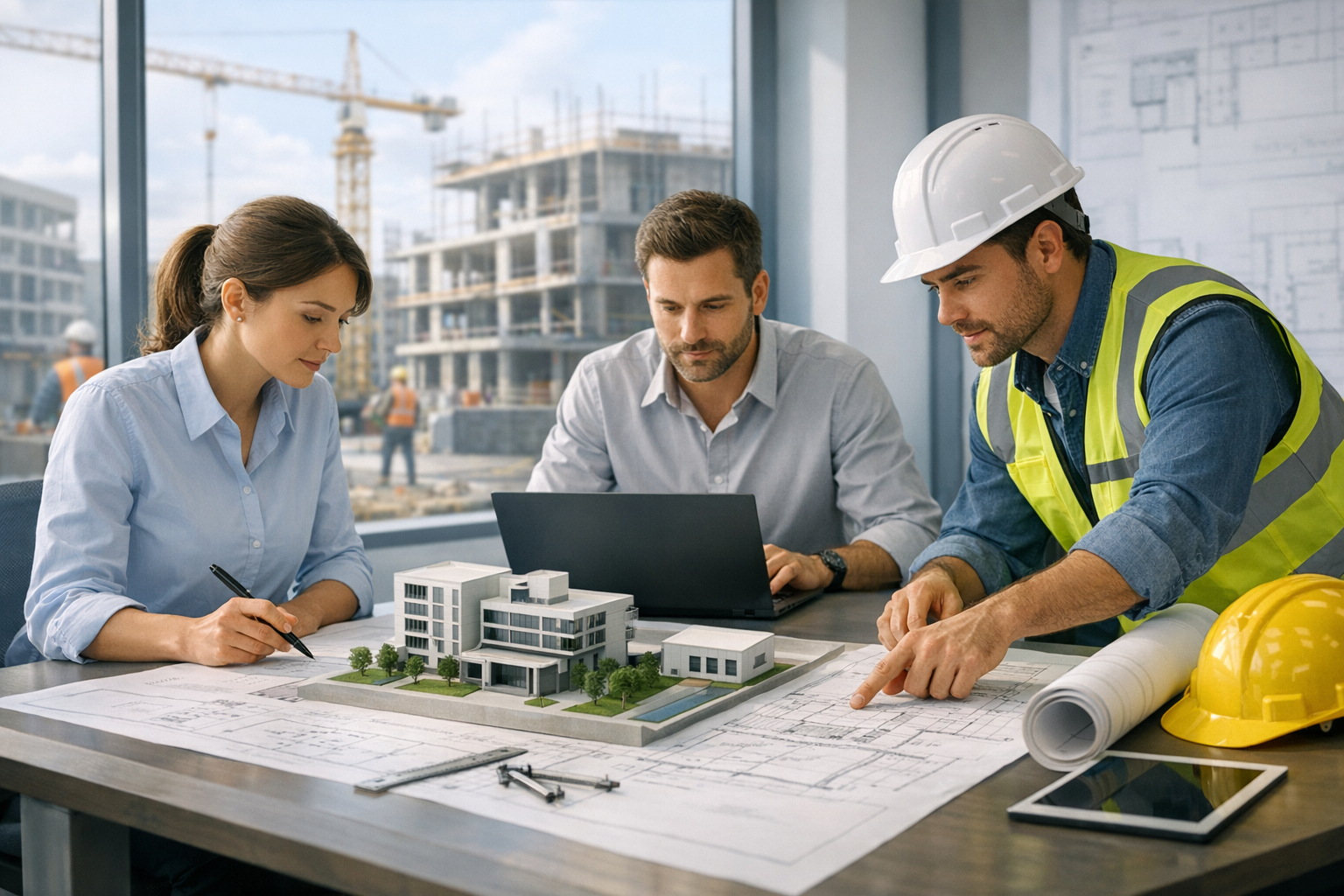
In construction, design is more than aesthetics. It shapes how a project is planned, coordinated, approved, and ultimately built. For many firms, relying on external consultants can work well, but more companies are discovering the value of an in-house design team for construction. When design expertise lives inside the organization, it can improve collaboration, speed up decisions, and create a smoother path from concept to completion.
What Is an In-House Design Team for Construction?
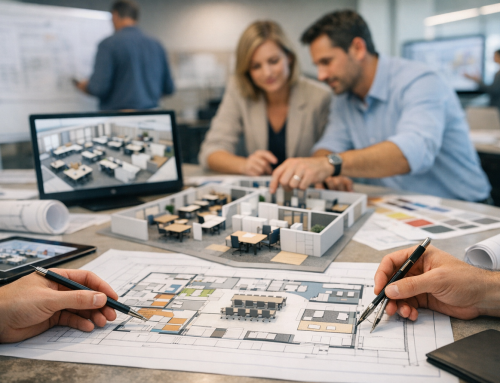
An in-house design team is a group of architects, designers, drafters, engineers, or technical specialists employed directly by a construction company, developer, or builder. Instead of outsourcing all design work to third-party firms, the company keeps design capabilities under one roof.
This team may handle conceptual planning, design development, drawing revisions, coordination with engineers, permit support, and construction documentation. In some organizations, the team is small and focused on preconstruction. In others, it is a full-service department that supports the entire project lifecycle.
Benefits of an In-House Design Team
Faster Communication and Decision-Making
One of the biggest advantages of an internal design team is speed. When designers, project managers, and construction leaders work in the same organization, questions can be resolved quickly. There is less back-and-forth with outside vendors, which helps prevent delays during design reviews, budgeting, and construction planning.
Better Coordination Across Teams
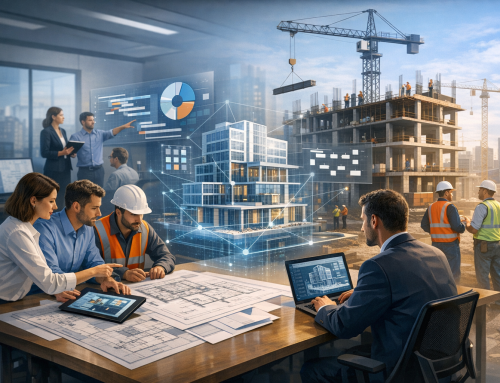
Construction projects involve many moving parts, from scheduling and estimating to procurement and field execution. An in-house design team can stay closely aligned with these functions. Because they understand company workflows and project goals, they can produce drawings and design solutions that are more practical and buildable.
Stronger Cost Control
External design services can add significant cost, especially on projects that require frequent revisions. With an internal team, companies may reduce dependence on outside consultants for routine tasks and recurring work. More importantly, in-house designers can collaborate closely with estimators and project managers early in the process, which can help identify cost risks before construction begins.
Improved Consistency and Quality
An in-house team develops a deep understanding of a company’s standards, preferred materials, and construction methods. That consistency can lead to more reliable deliverables across projects. It also helps create a stronger brand identity, especially for firms that handle repeated project types such as multifamily housing, commercial interiors, industrial facilities, or custom residential builds.
How an In-House Design Team Supports Construction Projects
An effective in-house design team does more than draw plans. It becomes a strategic partner throughout the project lifecycle.
Preconstruction Planning
During preconstruction, the design team can help assess project feasibility, develop early concepts, and align the scope with budget goals. Their involvement can reduce surprises later by identifying design conflicts, code concerns, or constructability issues early.
Design Development and Value Engineering
As a project evolves, the team can refine details and explore alternatives that keep the design aligned with the client’s goals. They can also work with estimators and field teams on value engineering efforts, finding ways to maintain quality while reducing unnecessary expense.
Permitting and Approvals
Permits and approvals often create bottlenecks in construction. An internal design team can help prepare documentation, respond to plan review comments, and coordinate revisions faster than an outside consultant might. This can make it easier to keep projects moving.
Construction Support
Once construction starts, questions inevitably arise. A design team that is already familiar with the project can provide timely answers, clarify details, and issue revisions when needed. This support can reduce downtime in the field and improve overall project flow.
Key Skills and Roles in an In-House Design Team
The structure of an in-house design team varies by company size and project type, but successful teams often include a mix of technical and creative talent.
- Architectural designers who develop concepts and technical drawings
- Drafters and CAD/BIM specialists who produce and manage documentation
- Interior designers who focus on functional and aesthetic interior spaces
- Project coordinators who help track revisions and communication
- Technical leads who oversee quality, code compliance, and coordination
In some firms, the design team may also work closely with structural, mechanical, electrical, and civil consultants to ensure all systems fit together properly. Strong communication and a solid understanding of construction methods are essential for every role.
Challenges to Consider
While the benefits are significant, building an in-house design team also comes with challenges. Hiring experienced talent can be competitive and expensive. Firms must also invest in design software, training, and ongoing professional development. In addition, workloads can fluctuate, so leadership needs to make sure the team is sized appropriately for current and future demand.
Another important consideration is flexibility. Some companies still benefit from using outside consultants for specialized projects or peak periods. A hybrid approach, combining internal design capabilities with external expertise, can offer the best balance.
How to Build a Successful In-House Design Team
To get the most value from an internal design department, construction companies should focus on structure, process, and culture.
- Define responsibilities clearly so the team knows where its role begins and ends.
- Use shared systems for drawings, revisions, approvals, and communication.
- Encourage collaboration between design, estimating, and field operations.
- Invest in technology such as BIM software, cloud-based collaboration tools, and document control platforms.
- Support continuous learning to keep skills current with codes, materials, and methods.
A successful team is not just technically strong. It is responsive, organized, and aligned with the company’s broader goals.
Conclusion
An in-house design team for construction can be a major competitive advantage. It improves communication, supports faster decisions, and helps teams deliver projects with greater consistency and control. For construction firms that want to reduce friction and build more efficiently, investing in internal design capability can pay off long after the first project is complete.