A Practical Guide to Commercial Interior Build-Out Services
What Are Commercial Interior Build-Out Services?
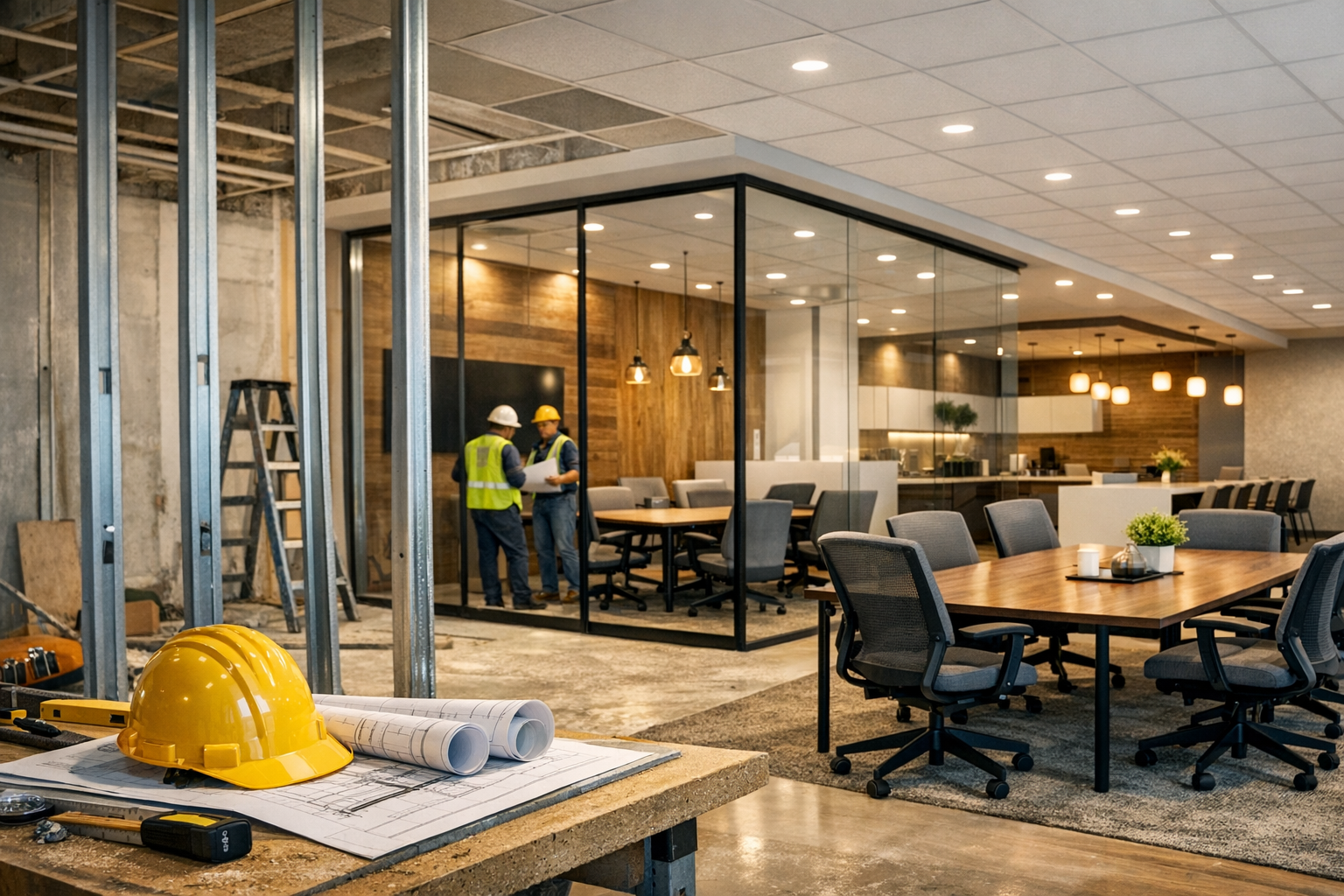
Commercial interior build-out services turn an empty or unfinished space into a functional, branded, and code-compliant environment ready for business. Whether you’re opening a new office, retail store, restaurant, clinic, or professional suite, a build-out shapes the space to support how your team works and how your customers experience the business.
These services can range from basic tenant improvements to highly customized projects with specialized lighting, partitions, flooring, millwork, HVAC adjustments, plumbing, and electrical upgrades. In many cases, the goal is to transform a raw shell into a polished interior that reflects your operations, meets local regulations, and supports future growth.
Why Commercial Build-Outs Matter
A well-planned build-out does more than improve appearance. It affects productivity, customer flow, employee comfort, and long-term costs. The layout of a space can make daily operations more efficient, while quality materials and systems can reduce maintenance issues over time.
For businesses in competitive markets, the interior environment also plays a major role in branding. A thoughtfully designed lobby, meeting room, sales floor, or dining area helps create the right first impression and builds trust with visitors. In short, the build-out is not just construction; it is a business investment.
Key Phases of a Commercial Interior Build-Out
1. Planning and Space Assessment
The process usually begins with understanding the tenant’s needs, budget, timeline, and goals. This phase may include site inspections, measurements, programming, and discussions about how the space should function. At this stage, the project team identifies potential constraints such as ceiling height, structural conditions, mechanical systems, or zoning requirements.
2. Design and Layout Development
Once the project goals are clear, designers and contractors work on floor plans, finishes, and material selections. This includes deciding where offices, workstations, restrooms, storage areas, reception desks, and common spaces will be placed. The layout should support workflow, accessibility, and code compliance while also aligning with the brand identity.
3. Permitting and Approvals
Most commercial build-outs require permits and inspections. Depending on the scope, drawings may need to be reviewed by local building departments, fire marshals, or other authorities. A knowledgeable contractor helps navigate this process to avoid delays and ensure the project meets all applicable codes and standards.
4. Construction and Installation
This phase includes framing, drywall, flooring, paint, lighting, ceilings, cabinetry, millwork, and system upgrades. If the project requires new plumbing or electrical work, those trades are integrated at the appropriate stage. During construction, coordination is essential so each trade can complete its work in the correct sequence.
5. Final Inspections and Turnover
Before the space is ready for occupancy, the contractor performs final walkthroughs, punch-list corrections, and inspections. This step ensures that the build-out matches the approved plans and functions properly. After approval, the business can move in and begin operations.
Types of Spaces That Need Build-Out Services
Commercial interior build-outs are used across many industries. Common examples include:
- Office spaces: Open work areas, private offices, conference rooms, and collaborative zones.
- Retail stores: Display areas, fitting rooms, checkout counters, and stock rooms.
- Restaurants and cafes: Dining areas, kitchens, bars, restrooms, and service stations.
- Medical and dental offices: Exam rooms, waiting areas, sterilization zones, and ADA-compliant layouts.
- Professional suites: Law firms, accounting offices, consulting spaces, and administrative centers.
Each type of business has unique requirements, so the build-out should be tailored to the way the space will be used every day.
What to Look for in a Build-Out Contractor
Choosing the right contractor can make the difference between a smooth project and a stressful one. Look for a company with experience in commercial interiors, a strong portfolio, and a clear understanding of permitting and construction schedules. The best contractors communicate well, provide realistic budgets, and coordinate multiple trades efficiently.
It is also important to ask about project management, safety practices, warranty support, and change-order procedures. A reliable contractor should be transparent about timelines, costs, and any issues that could affect the project. If your business needs to stay operational during renovations, look for a team experienced in phased construction and minimal-disruption planning.
How to Prepare for Your Commercial Build-Out
Preparation helps keep the project on track. Start by defining your needs clearly: How many people will use the space? What equipment must be installed? What kind of customer experience do you want to create? Having these answers early makes planning more efficient.
It also helps to establish a budget with contingency funds for unexpected conditions, especially in older buildings where hidden issues may appear once construction begins. Finally, set a realistic timeline that accounts for design, permits, materials, and inspections. Rushing the process can lead to costly delays later.
Benefits of Working With a Professional Team
Professional commercial build-out services save time, reduce risk, and help ensure the finished space meets both functional and aesthetic goals. An experienced team can identify opportunities to improve traffic flow, maximize usable square footage, and select materials that balance durability with design.
They can also help you avoid common mistakes such as underestimating utility needs, overlooking code requirements, or creating layouts that do not support daily operations. With the right team, your interior build-out becomes a strategic project that supports your business from day one.
Conclusion
Commercial interior build-out services are essential for turning an empty space into a workplace or customer environment that is efficient, attractive, and built for success. By planning carefully and partnering with the right contractor, you can create a space that supports your brand, your team, and your long-term business goals.