Custom Home Design and Build Services: A Complete Guide
Introduction
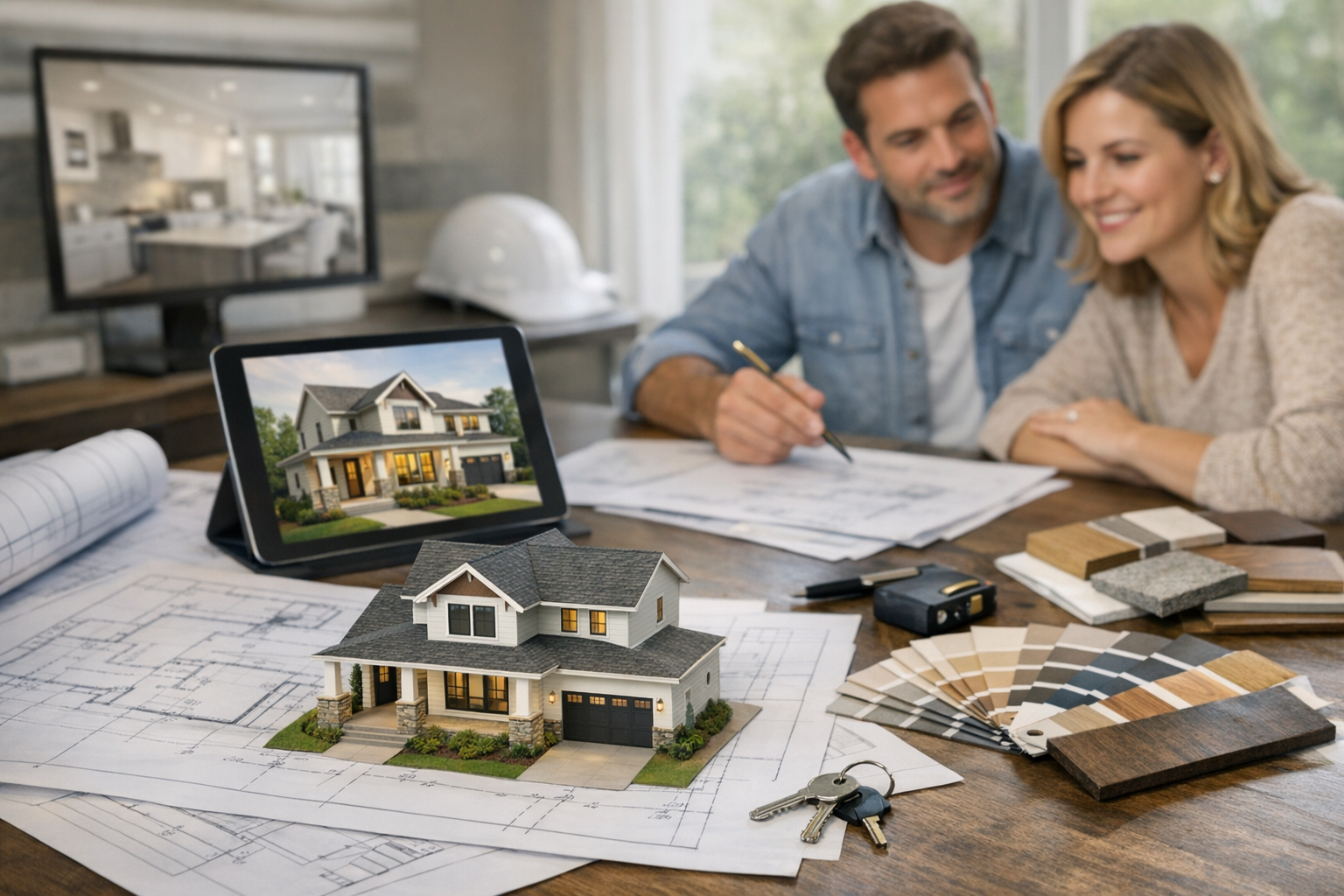
Building a custom home is one of the most rewarding investments you can make. It allows you to design a living space tailored to your lifestyle, preferences, and future needs. Custom home design and build services bring together architecture, engineering, interior design, and construction to take your idea from concept to move-in. This guide explains the process, what to expect, how to choose the right team, and practical tips to keep your project on track.
Why Choose Custom Design and Build?
Choosing a custom design and build approach gives you control, flexibility, and long-term value. Rather than adapting existing floorplans or renovating an older home, you get:
- A home that fits your exact needs and site conditions
- Opportunities for better energy efficiency and modern systems
- Higher long-term resale value when thoughtfully executed
- Improved coordination because the design and construction teams work together
The Typical Design and Build Process
While every project is unique, custom homes commonly follow a sequence of stages. Breaking the project into clear phases helps manage cost, schedule, and expectations.
1. Pre-design and Discovery
Start by clarifying goals, lifestyle needs, and budget. A site assessment evaluates topography, views, sun orientation, access, and zoning. The design-build team often creates preliminary sketches and a rough cost estimate at this stage.
2. Design Development
The design phase refines floorplans, elevations, materials, and systems. Expect iterative meetings to review layouts, spatial relationships, and exterior aesthetics. This is when selections like windows, roofing, and major finishes begin to take shape.
3. Permitting and Documentation
Architectural drawings, engineering plans, and code compliance documents are prepared for permitting. Your team will submit these to local authorities and respond to any required revisions. Permitting timelines vary widely by jurisdiction.
4. Construction
Construction begins with site preparation and foundation work, followed by framing, mechanical systems, exterior enclosure, interior finishes, and landscaping. A reliable schedule and regular site updates help you stay informed about progress and upcoming decisions.
5. Finishing and Handover
Final walkthroughs, punch-list corrections, system testing, and handover of warranties and manuals conclude the project. Good teams provide orientation to your new home systems and offer post-move support.
Budgeting and Timeline Considerations
Establish a realistic budget early, and include contingency funds for unforeseen conditions or desired upgrades. Custom homes often take 9 to 18 months from design start to move-in, depending on complexity and permitting. Transparent cost estimates and clearly defined scope reduce surprises.
Choosing the Right Team
Your team typically includes a design-build firm, architect, interior designer, and subcontractors. When evaluating professionals, consider:
Questions to Ask
- Can you show recent custom projects and client references?
- How do you manage budget changes and unforeseen site issues?
- Who will be my point of contact during construction?
- What warranties and post-completion support do you offer?
Hiring Models
You can hire a single design-build firm that handles everything or assemble separate design and construction contracts. Design-build firms often provide better coordination and a single point of responsibility, while separate contracts can give more direct control over design choices.
Design Options and Personalization
Personalization goes beyond finishes. Consider how to optimize:
- Layout and flow to maximize natural light and functional spaces
- Material choices for durability, aesthetics, and maintenance
- Smart-home systems for convenience and energy management
- Outdoor living and site-specific landscaping
Sustainability and Long-Term Performance
Incorporating energy-efficient windows, insulation, HVAC systems, and renewable energy can reduce operating costs and improve comfort. Work with your design team to select passive strategies like orientation, shading, and thermal mass, plus active systems such as heat pumps and solar PV.
Communication, Contracts, and Warranties
Clear communication protocols and a detailed contract protect both you and the builder. Contracts should outline scope, payment schedule, change-order procedures, and dispute resolution. Verify the length and coverage of warranties for structural work, systems, and finishes.
Tips for a Successful Custom Home Project
- Prioritize must-haves versus nice-to-haves to manage budget
- Visit similar completed homes to refine preferences
- Keep lines of communication open and document decisions in writing
- Plan for future needs like aging-in-place or flexible rooms
- Factor maintenance and lifecycle costs into material selections
Conclusion
Custom home design and build services offer a path to a home that truly reflects your needs and values. With the right team, realistic budget, and thoughtful planning, you can create a durable, efficient, and beautiful home tailored to your life. Start with clear goals, choose partners who communicate well, and stay involved—your attention during key decisions will pay off for years to come.