Design-Build Solutions for Remodels: A Smarter Way to Renovate
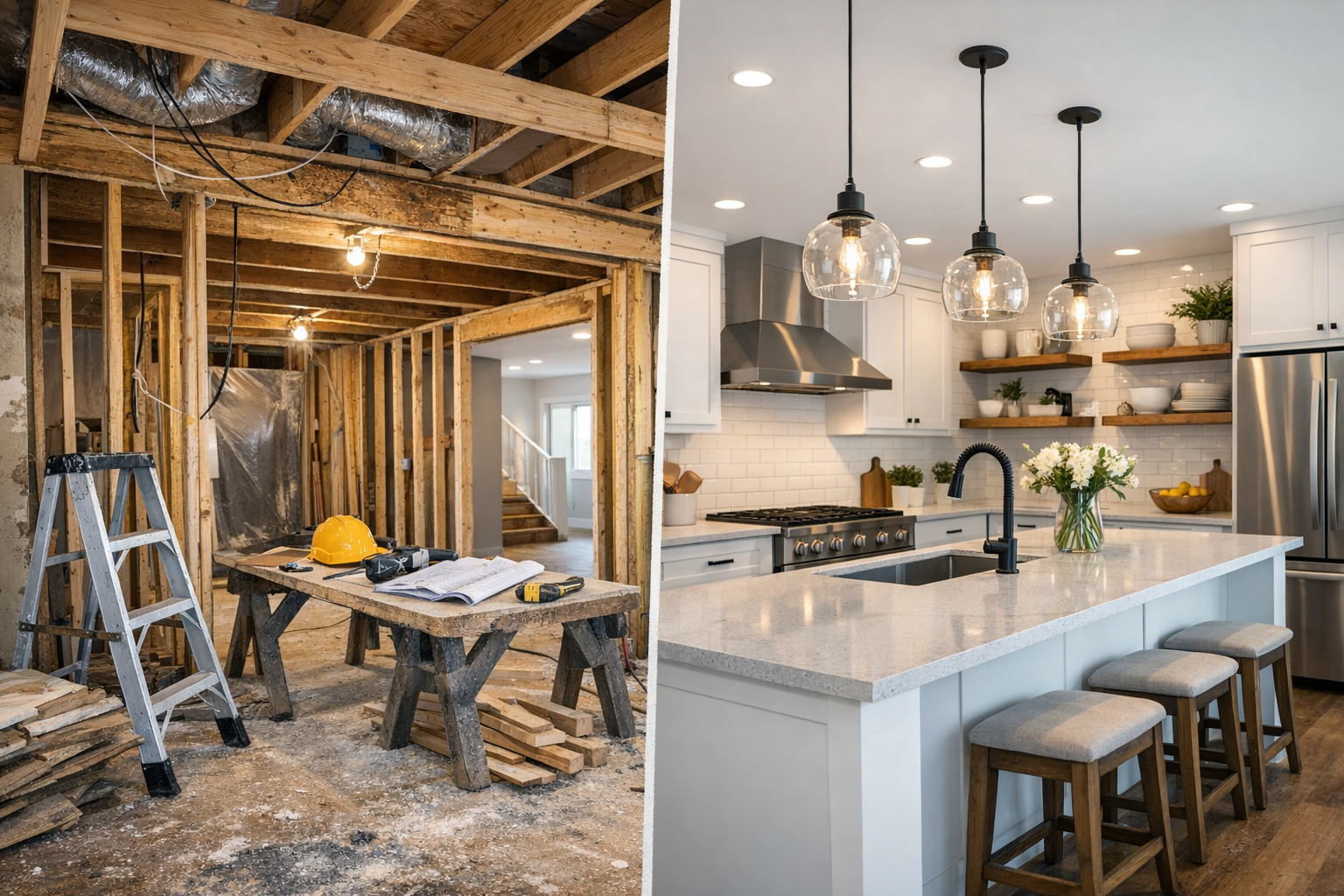
Remodeling a home involves more than choosing finishes and hiring a contractor. Plans need to fit your space, budget, schedule, and local building requirements—and the people designing the project need to communicate with the people building it. Design-build solutions bring those responsibilities together under one coordinated team, making the remodeling process easier to manage from the first conversation through construction.
Whether you are updating a kitchen, reworking a bathroom, or renovating multiple rooms, design-build can offer a practical alternative to managing separate design and construction firms. Here is how the approach works, what it can do for your project, and how to decide whether it is the right fit.
What Is Design-Build Remodeling?
In a traditional remodeling arrangement, homeowners typically hire a designer or architect to create plans, then seek bids from contractors to build them. With design-build, design and construction services are coordinated through one company or team. Designers, project managers, and construction professionals collaborate throughout the project rather than handing plans from one independent business to another.
The exact services vary by provider. A design-build team may help develop the initial concept, prepare drawings, estimate costs, assist with material selections, coordinate permits, and complete the construction. You still make the important decisions, but you have a central point of contact to help guide them.
Why Choose a Design-Build Approach?
More coordination from the start
Design decisions affect construction, and construction realities can influence design. For example, moving a wall may require structural work, while a preferred fixture could need plumbing changes. When designers and builders collaborate early, they can identify these connections before work begins. That can reduce avoidable revisions and help the final plans reflect what can realistically be built.
Clearer communication
With a unified team, you generally have fewer handoffs to manage. Questions about plans, materials, schedules, or site conditions can be directed to a designated project contact. This does not eliminate every challenge—remodels can uncover hidden issues—but it can make it easier to get answers and understand next steps.
Budget awareness during design
In a separated design-bid-build process, the final construction price may not become clear until contractors review completed plans. Design-build teams can often provide cost feedback as the design develops. If an idea exceeds your budget, the team can discuss alternatives before it becomes a finished specification. Early estimates are still estimates, so ask how pricing is updated and when a fixed or detailed proposal will be provided.
A more connected schedule
Because design and construction planning happen together, the team can consider lead times, permitting, and sequencing while developing the project. This may help create a more realistic schedule. It cannot guarantee a specific completion date: product availability, inspections, weather, and concealed conditions can all affect timing.
How the Design-Build Process Works
1. Discovery and project goals
The process usually starts with a conversation about what is not working in your home and what you want to change. You might need better storage, improved accessibility, more natural light, or a layout suited to entertaining. Share your priorities, approximate budget, and preferred timing early. A clear list of must-haves and nice-to-haves helps the team make informed trade-offs.
2. Design and feasibility
The team evaluates the existing space and develops design options. Depending on the scope, this stage may include measurements, drawings, finish concepts, and discussions about structural or mechanical changes. A builder’s input can help test whether proposed solutions are practical and identify questions that need further investigation.
3. Scope, selections, and pricing
Before construction, work through the project scope and clarify what is included. Review allowances, product specifications, payment terms, exclusions, and how changes will be handled. If the proposal includes an allowance for items you have not selected yet, ask what happens if your final choice costs more or less. The more detail you confirm now, the easier it is to compare the proposal with your expectations.
4. Permits and construction
Once the design and agreement are ready, the team can coordinate required permits and prepare the job site. During construction, expect regular updates and a process for approving decisions or change orders. Keep a record of selections and approvals, and raise concerns promptly so the team can address them before they affect later work.
Is Design-Build Right for Your Remodel?
Design-build may be especially helpful if your project involves several rooms, layout changes, or complicated coordination between trades. It can also suit homeowners who want guidance through design choices and prefer a single team to manage the connection between planning and construction.
A smaller, straightforward project may not require a full design-build service. You may also prefer to hire an independent architect or designer if you want a separate advocate or have a highly specialized design vision. The best approach depends on the project, your working style, and the professionals available in your area.
How to Choose a Design-Build Team
Look for experience with remodels similar in scope and style to yours, and ask to see completed projects. Request references and ask past clients about communication, problem-solving, budget management, and how unexpected conditions were handled. Confirm who will be your day-to-day contact and who is responsible for design, estimating, permits, and construction.
Review the contract carefully before signing. It should explain the scope, pricing approach, schedule expectations, payment milestones, insurance, and change-order process. A trustworthy team will welcome questions and explain what is known, what remains uncertain, and how decisions will be documented.
Conclusion
Design-build solutions connect remodeling design and construction under a coordinated process. For the right project, that collaboration can support clearer communication, more practical planning, and better-informed budget decisions. Start with your goals, compare qualified teams, and make sure the proposal clearly explains the work. A thoughtful partnership is a strong foundation for a remodel that works for your home and daily life.