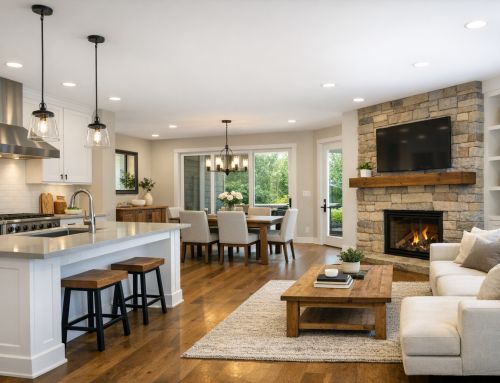
Indoor Home Remodeling Specialists: What They Do and How to Choose One
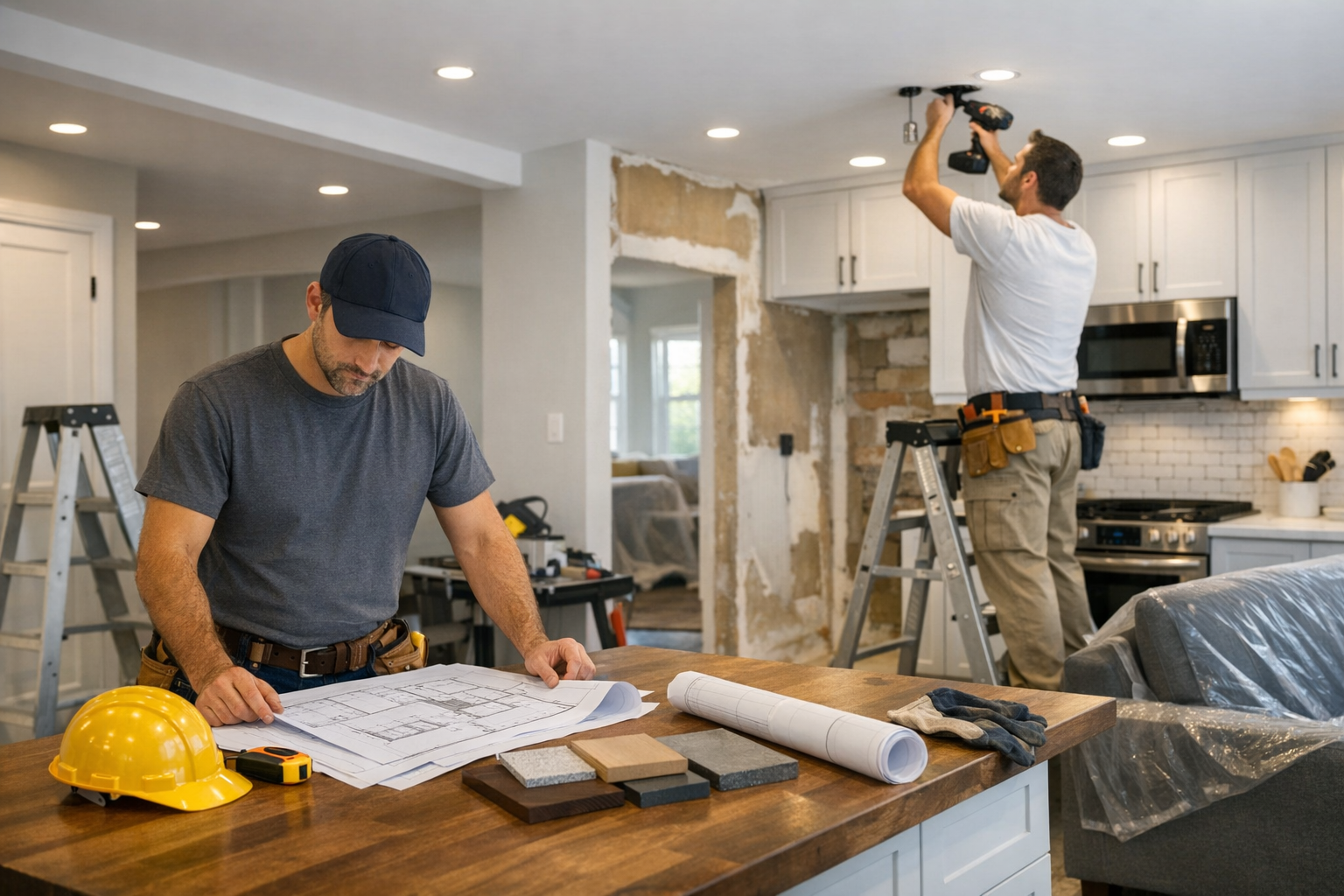
Indoor home remodeling can make a house more comfortable, functional, and suited to the way you live. Whether you are updating a dated kitchen, reworking a bathroom, or finishing a basement, the right professional can help turn ideas into a well-planned project. Indoor home remodeling specialists coordinate the skills, materials, and decisions needed to improve interior spaces while keeping the work organized.
Understanding what these specialists do—and how to select one—can help you set realistic expectations, protect your budget, and move through the renovation with greater confidence.
What Indoor Home Remodeling Specialists Do
Indoor remodeling specialists plan and complete improvements inside a home. Depending on the company and project, they may manage the renovation from initial consultation through final walkthrough or focus on a particular trade, such as carpentry, tile, or cabinetry. A full-service contractor often coordinates subcontractors, schedules work, orders materials, and communicates with the homeowner.
Common Interior Remodeling Projects
Specialists may work on kitchens, bathrooms, bedrooms, living rooms, laundry areas, and basements. Projects can range from cosmetic updates—such as new flooring, paint, lighting, or fixtures—to more extensive renovations involving cabinetry, plumbing, electrical systems, or changes to room layouts.
Some renovations also involve improving storage, replacing interior doors, updating trim, or making a home easier to navigate. The scope depends on your goals, the condition of the space, and what is practical for the home.
Planning, Coordination, and Construction
A remodeling specialist can help translate your priorities into a workable plan. That may include measuring the space, discussing finishes, identifying potential challenges, and preparing a written estimate. During construction, the contractor may coordinate tradespeople and inspections, monitor progress, and address issues that come up once walls, floors, or fixtures are removed.
Clear communication matters throughout this process. Before work begins, agree on who will make decisions, how changes will be documented, and how often you will receive updates.
Benefits of Hiring a Remodeling Specialist
Interior renovations involve many connected details. A kitchen project, for example, may require cabinetry, countertops, plumbing, electrical work, flooring, and finish installation. An experienced specialist can help sequence these tasks so work is completed in a sensible order and reduce the burden of coordinating several separate providers yourself.
Professional planning can also help identify practical concerns early. A contractor may flag an uneven floor, aging wiring, moisture damage, or a layout that limits access to plumbing. Discovering these issues during planning does not guarantee that every surprise can be avoided, but it can help you prepare for likely costs and make informed decisions.
Another advantage is having a knowledgeable point of contact for questions about materials, construction methods, and maintenance. The best specialist will explain options in plain language rather than pressure you into choices that do not fit your home or budget.
How to Choose the Right Specialist
Look for Relevant Experience
Choose a contractor whose experience matches your project. Ask about similar renovations and request to see photos or references when available. A professional who regularly remodels bathrooms may not be the best fit for a complex basement conversion, so confirm that the proposed team has experience with the work you need.
Check Credentials and References
Ask whether the contractor holds any licenses required in your area and carries appropriate insurance. Requirements vary by location and type of work, so verify details with relevant local authorities. Request recent references and ask past clients about communication, scheduling, workmanship, and how unexpected issues were handled.
Read the written agreement carefully. It should describe the scope of work, materials or allowances, payment schedule, estimated timeline, and process for approving changes. Avoid relying on verbal promises for important details.
Compare Estimates Carefully
Get written estimates from more than one qualified specialist when possible. Compare what each estimate includes, not just the final price. One proposal may include demolition, disposal, permits, and finish materials, while another may leave some of those costs out. Ask questions about unclear items and how the contractor handles unforeseen repairs.
A notably low estimate deserves a closer look. It may reflect a different scope, omitted costs, or assumptions about materials. A detailed, transparent proposal makes it easier to compare options and plan responsibly.
What to Expect During an Indoor Remodel
From Consultation to Final Walkthrough
Most projects begin with a discussion about your needs, budget, and preferred look. The specialist may then assess the space and prepare a proposal. Once the scope and agreement are settled, you can finalize selections, confirm the schedule, and determine what needs to be moved or protected before construction starts.
During the renovation, expect some noise, dust, and disruption. Ask which areas will be accessible, how the work zone will be contained, and whether utilities may be temporarily unavailable. If you will remain in the home, plan ahead for essential routines, especially during kitchen or bathroom renovations.
At completion, walk through the work with the contractor. Note any unfinished items, confirm that agreed-upon work is complete, and ask for care instructions or product information for installed materials and fixtures.
Budgeting for Your Project
Set a realistic budget that accounts for both planned improvements and potential surprises. Older homes, in particular, can reveal hidden conditions once construction begins. Discuss a contingency amount with your contractor and agree that additional work must be explained and approved before it proceeds.
Prioritize the changes that matter most to daily life. If the full wish list is not affordable, a specialist may help identify a phased approach or suggest alternatives that preserve the overall design while controlling costs. Make sure any revisions are recorded in writing so everyone understands how they affect price and schedule.
Conclusion
Indoor home remodeling specialists can bring practical expertise and coordination to projects of many sizes. Define your goals, compare detailed proposals, verify relevant credentials, and communicate openly before and during construction. With careful planning and the right professional, your remodel can create an interior that better supports the way you live.